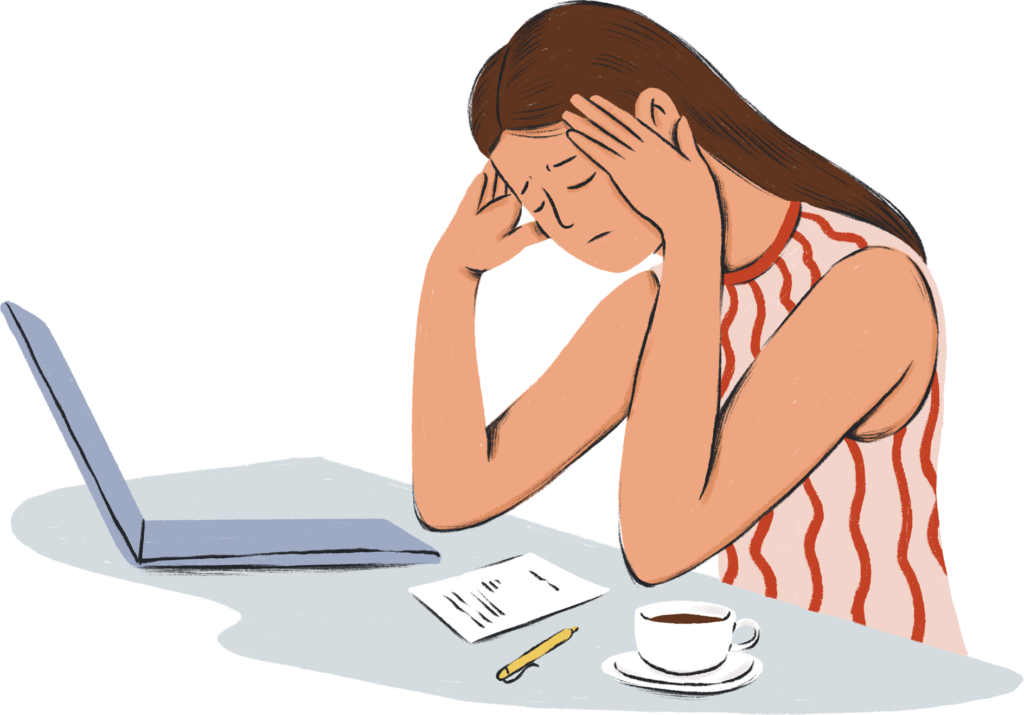
Smoky skies, evacuation alerts and climate worries can leave Albertans anxious and on edge. Learn how wildfire stress and eco-anxiety show up and practical ways to cope.

The sky turns orange. The air smells like a campfire. Your phone buzzes with an air quality warning or an evacuation alert for a town where you have friends. For many Albertans, wildfire season has become a regular part of life, and so has the stress that comes with it.
Fort McMurray in 2016, Slave Lake in 2011, Jasper in 2024 and many smaller fires have touched families across the province. Even people who have never been evacuated may feel uneasy every summer. This guide explores how wildfire season and climate worry affect mental health, and what helps.
Key takeaways
- Wildfire seasons can bring anxiety, low mood, irritability and sleep problems, even for people far from the fire.
- People who have been evacuated or lost homes may experience trauma reactions that resurface each season.
- Eco-anxiety, or worry about climate change, is a common and understandable response.
- Practical preparation, limiting doomscrolling, staying connected and taking meaningful action can reduce distress.
- If stress or trauma symptoms persist, counselling can help.
How wildfire season affects mental health
Wildfire season can affect people in different ways:
- Smoke days can limit outdoor activities, disrupt routines and leave people feeling trapped indoors
- Uncertainty about evacuations, travel plans and loved ones in affected areas
- Health concerns about smoke exposure, especially for children, older adults and people with lung or heart conditions
- News overload from constant coverage and alerts
- Memories of past fires or evacuations
Some people notice restlessness, anxiety, low mood, irritability or trouble sleeping during smoky periods. Others feel numb or disconnected.
Evacuation and wildfire trauma
For people who have been evacuated, lost homes or watched their community burn, wildfire season can bring back intense memories. Common reactions include:
- Flashbacks or intrusive memories triggered by smoke or alerts
- Feeling constantly on guard
- Trouble sleeping or nightmares
- Avoiding news, places or conversations about the fire
- Anger, guilt or grief
These reactions are normal responses to a frightening experience. For many people, they ease with time and support. For others, they continue or get worse. Our article on how to cope after a traumatic event explains common trauma responses and when to seek help.
What eco-anxiety is
Eco-anxiety, sometimes called climate anxiety, is worry, fear or grief about climate change and environmental harm. It may show up as:
- Persistent worry about the future
- Sadness or grief about environmental loss
- Feeling helpless or overwhelmed
- Anger or frustration about lack of action
- Guilt about personal choices
Eco-anxiety is not a mental illness. It is an understandable response to real concerns. It becomes a problem when it starts to interfere with daily life, sleep or relationships.
Practical ways to cope
- Prepare practically. Make an emergency plan and a grab-and-go kit. Sign up for Alberta Emergency Alerts. Preparation can reduce helplessness.
- Check air quality. Use the Air Quality Health Index (AQHI) to decide when to limit outdoor activity, and create a cleaner-air space at home.
- Limit doomscrolling. Check trusted updates at set times rather than constantly. Our article on phones, social media and mental health has tips.
- Keep routines. Regular sleep, meals and indoor movement help when outdoor plans change.
- Stay connected. Talk with friends and family, especially those affected.
- Practise grounding. Breathing exercises and mindfulness can calm the body. Our mindfulness for beginners guide offers simple practices.
- Take meaningful action. Volunteering, supporting evacuees or getting involved in community or environmental efforts can turn worry into purpose.
- Allow mixed feelings. You can feel worried and still enjoy good moments.
Supporting children during wildfire season
| Child’s age | What helps |
|---|---|
| Young children | Simple, calm explanations, reassurance, keeping routines, limiting news exposure |
| School-age children | Answering questions honestly, involving them in safety plans, encouraging indoor play |
| Teens | Listening to their climate concerns, discussing ways to take action, monitoring news and social media stress |
Children often take cues from adults. Staying calm and focusing on what you are doing to stay safe helps them feel secure. Our article on anxiety in children has more strategies.
Example: After evacuating from Fort McMurray in 2016, Kamal’s family moved to Edmonton. Every summer, the smell of smoke left Kamal tense and unable to sleep. His teenage daughter worried constantly about climate change. In counselling, Kamal processed the evacuation with trauma-focused support, and learned grounding skills for smoky days. His daughter joined a youth environmental group, which helped her feel less helpless.
When to seek help
Consider reaching out if:
- Anxiety, low mood or irritability lasts beyond smoky periods
- You have flashbacks, nightmares or intense fear related to past fires
- You are avoiding activities or places
- Sleep, work or relationships are affected
- You feel hopeless about the future
If you are in crisis, call or text 9-8-8, or call 911. The Alberta Mental Health Help Line is available 24/7 at 1-877-303-2642.
How Disha can help
Disha offers counselling for anxiety, trauma and stress related to wildfires, evacuations and climate concerns, in person in South Edmonton or online anywhere in Alberta, including communities affected by fires. Learn more about our trauma therapy, EMDR therapy and anxiety therapy.
Support through smoky seasons
Book a session in person or online from anywhere in Alberta.
Frequently asked questions
Can wildfire smoke affect mental health?
Smoke days can affect mood, sleep and stress levels by limiting activities, raising health concerns and bringing back memories of past fires.
What is eco-anxiety?
Eco-anxiety is worry, fear or grief about climate change and environmental harm. It is a common and understandable response to real concerns.
Is it normal to feel anxious every wildfire season after an evacuation?
Yes. Smoke, alerts and news can trigger memories and anxiety. If symptoms are intense or persistent, trauma-focused counselling can help.
How can I help my child cope with wildfire smoke and news?
Stay calm, explain things simply, keep routines, limit news exposure and involve older children in safety planning.
Can counselling help with climate anxiety?
Yes. Counselling can help you manage worry, process grief and find ways to take meaningful action without becoming overwhelmed.
Can I access counselling online if I live outside Edmonton?
Yes. Disha offers secure online counselling anywhere in Alberta.
Disha Counselling & Wellness Centre is at 3818A 97 St NW #203, Edmonton, AB T6E 6N2, and offers online counselling across Alberta. Find us on Psychology Today and eMentalHealth.ca, watch short videos on YouTube and TikTok, or follow us on Instagram, LinkedIn, Facebook and Pinterest.
Reviewed by Mukesh Mishra, MSW, RCSW, Registered Clinical Social Worker and ACSW-approved RCSW supervisor at Disha Counselling & Wellness Centre. This article is general information and is not a substitute for individual professional advice. Counselling is not an emergency service: if you are in crisis, call or text 9-8-8 or call 911.
Ready to talk to someone?
If what you've just read sounds familiar, we are here to help. Explore Anxiety Therapy in Edmonton or book a free 15-minute consultation with Disha Counselling & Wellness Centre.
Book a Consultation
It’s easy and free!

Mukesh Mishra, MSW, RCSW
Mukesh Mishra, MSW, RCSW, is a Registered Clinical Social Worker in Alberta at Disha Counselling & Wellness Centre in Edmonton. He provides trauma-informed, culturally responsive counselling in English, Hindi, Nepali, Punjabi and Urdu, using CBT, EMDR, DBT and the Gottman Method, and is an ACSW-approved RCSW supervisor for social workers.