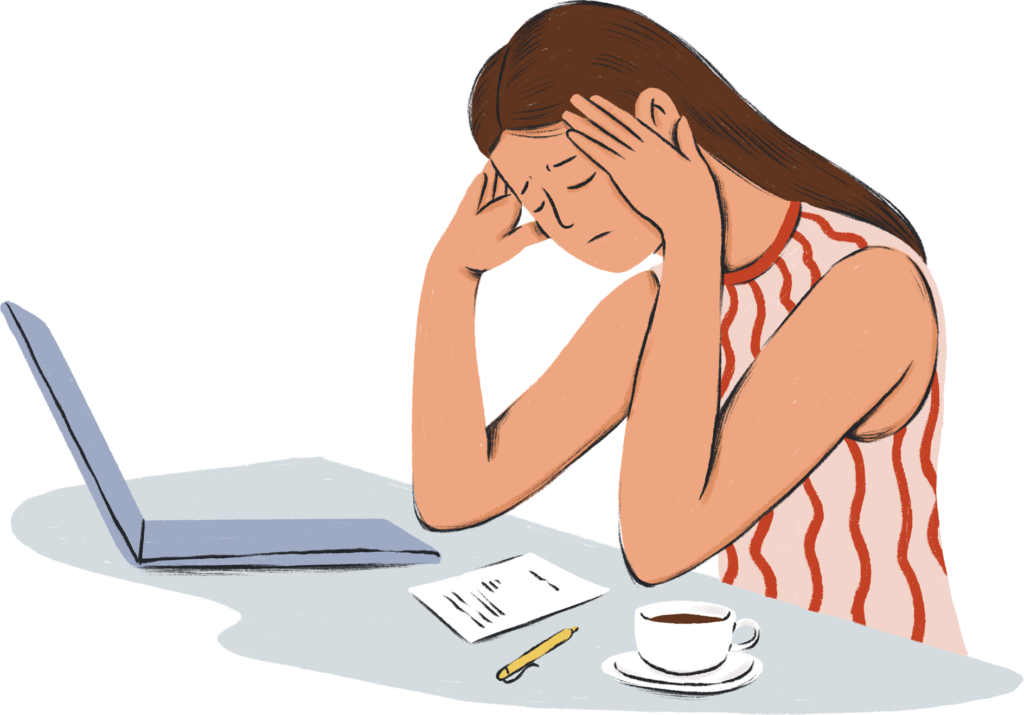
Camp rotations and shift work power much of Alberta, but they can strain sleep, mood and relationships. Learn the common challenges and practical ways to stay well.

Fourteen days on, seven off. Night shifts that flip your sleep. A long drive or flight to camp, then twelve-hour days, then trying to slot back into family life at home. Rotational and shift work is part of life for many Albertans in energy, construction, mining, health care, policing, transportation and more.
These jobs can offer good pay and strong teams. They can also take a quiet toll on sleep, mood and relationships. This guide explores common challenges and practical ways to look after your mental health, on site and at home.
Key takeaways
- Rotational, camp and shift work can disrupt sleep, increase isolation and strain relationships.
- Transitions between work and home are often the hardest part for workers and families.
- Alcohol and other substances are sometimes used to cope, which can backfire.
- Sleep routines, connection, planning for transitions and early support help.
- Online counselling can fit around rotations, including sessions from camp when privacy allows.
Common challenges
Sleep and fatigue
Night shifts and rotating schedules disrupt the body’s internal clock. Many shift workers get less sleep than they need, which affects mood, concentration, patience and safety.
Isolation and loneliness
Long stretches away from home, limited phone signal and living in camp can leave people feeling disconnected from family and friends. Missing birthdays, school events and holidays adds up.
The “two lives” problem
Workers often describe living two separate lives: one at work with its own routines and culture, and one at home. Switching between them every rotation can be exhausting.
Relationship strain
Partners at home carry the household while you are away, then have to adjust when you return. Couples may argue about roles, decisions and time together. Our article on when couples need counselling explores signs that support might help.
Workplace culture and stigma
In some industries, there is still a “tough it out” culture. Workers may worry that talking about stress, anxiety or depression will affect their job.
Substance use
Alcohol and other substances are sometimes used to unwind, sleep or cope with boredom and loneliness. Our article on signs drinking is becoming a problem can help you check in.
The rotation cycle
| Phase | What workers and families often notice |
|---|---|
| Before leaving | Tension, irritability, pulling away emotionally to prepare |
| Early rotation | Adjusting to camp, missing home |
| Mid rotation | Routine sets in, fatigue builds |
| Heading home | Excitement mixed with exhaustion |
| First days home | Recovery, adjusting to family routines, possible conflict |
| Settling in | Reconnecting, then preparing to leave again |
Knowing this pattern can help families plan for the harder phases rather than taking them personally.
Practical tips for workers
- Protect your sleep. Use blackout curtains, earplugs and a consistent pre-sleep routine. Keep caffeine to the early part of your shift.
- Plan your transitions. Give yourself a buffer when you get home, such as a nap or a walk, before diving into family life.
- Stay connected. Schedule calls home, share small moments and ask about daily life, not just big news.
- Move your body. Use camp gyms or short walks to manage stress and improve sleep.
- Watch your alcohol use. Notice if drinking is increasing on days off.
- Use your benefits. Many employers offer an employee assistance program (EAP) and benefits that cover counselling.
- Talk to someone. A trusted coworker, supervisor or counsellor can help when things feel heavy.
Practical tips for families
- Share the calendar. Plan important events around rotations when possible.
- Discuss roles. Agree on how decisions and chores are handled when your partner is away and home.
- Expect transition bumps. Give each other grace during the first and last days of a rotation.
- Keep kids connected. Video calls, shared journals or countdown calendars can help children cope.
- Build your own support. Partners at home need friends, routines and help too.
Example: Darren worked 14-and-7 rotations in the oil sands near Fort McMurray. His wife, Lisa, managed their two kids in Edmonton. They argued most on his first day home and the day before he left. In counselling, they recognized the pattern. Darren started taking a quiet morning after getting home before joining family plans, and Lisa shared upcoming decisions by phone during his rotation. Their arguments dropped, and Darren began online sessions from camp to work on his own stress.
Signs it is time to get help
- Ongoing trouble sleeping, even on days off
- Feeling flat, irritable or hopeless most of the time
- Drinking or using substances more to cope
- Frequent conflict at home
- Feeling disconnected from family or friends
- Thoughts of suicide. If this happens, call or text 9-8-8 or call 911.
Men in physically demanding industries are often less likely to seek help. Our men’s mental health counselling page explains how counselling can feel practical and straightforward.
Counselling that fits your schedule
Disha offers secure online counselling anywhere in Alberta, which can make support possible from home, a quiet vehicle or a private space at camp, depending on your situation. In-person sessions are available in South Edmonton during your days off. Many workplace benefit plans cover counselling with a Registered Clinical Social Worker.
Learn more about our online counselling, stress management therapy, sleep therapy and couples counselling.
Support that works around your rotation
Book online sessions from anywhere in Alberta or in-person sessions in South Edmonton on your days off.
Frequently asked questions
Can I do counselling while I am at camp?
Often yes, if you have a private space and a stable internet connection. Your counsellor will help you plan for privacy and safety.
How can shift workers improve sleep?
Keep a consistent pre-sleep routine, use blackout curtains and earplugs, limit caffeine late in your shift and protect sleep time on days off.
Is counselling covered for rotational workers?
Many employers offer EAP and benefits that cover counselling with a Registered Clinical Social Worker. Check your plan.
Why do we argue most when I get home?
Transitions are stressful for workers and families. Fatigue, changing roles and high expectations often collide in the first days home.
Can my partner and I do couples counselling around my rotation?
Yes. Couples can meet in person during days off or online, including from different locations.
Will my employer know if I see a counsellor?
Counselling is confidential. Your employer is not told about sessions unless you give written consent, with limited legal exceptions your counsellor will explain.
Disha Counselling & Wellness Centre is at 3818A 97 St NW #203, Edmonton, AB T6E 6N2, and offers online counselling across Alberta. Find us on Psychology Today and eMentalHealth.ca, watch short videos on YouTube and TikTok, or follow us on Instagram, LinkedIn, Facebook and Pinterest.
Reviewed by Mukesh Mishra, MSW, RCSW, Registered Clinical Social Worker and ACSW-approved RCSW supervisor at Disha Counselling & Wellness Centre. This article is general information and is not a substitute for individual professional advice. Counselling is not an emergency service: if you are in crisis, call or text 9-8-8 or call 911.
Ready to talk to someone?
If what you've just read sounds familiar, we are here to help. Explore Our Counselling Services or book a free 15-minute consultation with Disha Counselling & Wellness Centre.
Book a Consultation
It’s easy and free!

Mukesh Mishra, MSW, RCSW
Mukesh Mishra, MSW, RCSW, is a Registered Clinical Social Worker in Alberta at Disha Counselling & Wellness Centre in Edmonton. He provides trauma-informed, culturally responsive counselling in English, Hindi, Nepali, Punjabi and Urdu, using CBT, EMDR, DBT and the Gottman Method, and is an ACSW-approved RCSW supervisor for social workers.