Your mind goes blank the moment the exam starts, even though you studied. Learn why exam anxiety happens and practical strategies before, during and after exams.

You studied for weeks. You know the material. Then you sit down in the exam hall, read the first question and your mind goes completely blank. Your heart races, your hands sweat and the clock seems to speed up.
Exam anxiety is common among university and college students. A little nervousness can sharpen focus, but too much can block memory and performance. This guide explains why it happens and offers practical strategies for before, during and after exams.
Key takeaways
- Some exam nerves are normal and can help performance. Exam anxiety becomes a problem when it is overwhelming or interferes with performance.
- Anxiety affects working memory, which is why your mind can go blank.
- Steady study habits, sleep and practice testing reduce anxiety more than cramming.
- Breathing, grounding and changing anxious thoughts help on exam day.
- Campus services and counselling can help, and international students face extra pressures that deserve support.
Why exam anxiety happens
When you feel threatened, your body activates the fight-or-flight response. This was useful for escaping physical danger, but it is not helpful in an exam hall. Stress hormones can reduce working memory, the part of the mind that holds and manipulates information. That is why you might “know” the answer but cannot retrieve it.
Exam anxiety is often fuelled by thoughts such as:
- “If I fail this, my future is ruined.”
- “Everyone else is better prepared.”
- “My family will be so disappointed.”
- “I have to get an A.”
Perfectionism, past difficult exam experiences and high stakes, such as scholarships, program admission or visa requirements, can all increase pressure.
Signs of exam anxiety
| Body | Mind | Behaviour |
|---|---|---|
| Racing heart, sweating, nausea | Mind going blank | Procrastinating or avoiding studying |
| Headaches, muscle tension | Racing negative thoughts | Cramming all night |
| Trouble sleeping before exams | Trouble concentrating | Skipping exams or classes |
| Feeling faint or shaky | Comparing yourself to others | Excessive checking of answers |
Before the exam
- Spread out your studying. Short, regular sessions over weeks are more effective than cramming.
- Practise retrieval. Use practice questions, past exams and flashcards. Testing yourself builds memory and confidence.
- Simulate the exam. Practise under timed conditions so the real exam feels more familiar.
- Protect your sleep. Sleep helps consolidate memory. All-nighters often backfire. Our article on insomnia and mental health has tips.
- Move and eat regularly. Short walks and regular meals support focus and mood.
- Limit caffeine and energy drinks, which can increase anxiety.
- Challenge catastrophic thoughts. Ask, “What is the realistic outcome? What would I tell a friend in my situation?”
- Ask for help early. Talk to professors, teaching assistants or study groups if you are struggling with material.
On exam day
- Prepare the night before. Pack ID, pens, calculator and water. Know where you are going.
- Arrive early, but not too early. Avoid anxious conversations with classmates right before the exam.
- Breathe slowly. Try breathing in for 4 counts and out for 6 counts, several times.
- Ground yourself. Press your feet into the floor and notice the chair beneath you.
- Skim the exam first. Start with questions you feel confident about to build momentum.
- If your mind goes blank, pause, breathe, move to another question and come back later.
- Use calming self-talk. “I’ve prepared for this. I can take it one question at a time.”
After the exam
- Avoid post-mortem conversations that increase anxiety
- Do something restful or enjoyable
- Reflect on what helped and what you would change, then let it go
- Remember that one exam does not define your worth or your future
Pressures international students face
International students in Alberta often face added stress:
- High tuition and family financial sacrifice
- Visa or study permit requirements tied to grades and enrolment
- Studying in a second language
- Loneliness and missing family
- Part-time work alongside studies
These pressures can make exams feel like everything is at stake. Our newcomer mental health guide covers adjustment stress, and our article on understanding loneliness may also help.
Example: Arjun, an international engineering student in Edmonton, felt intense pressure to succeed because his parents had taken a loan for his tuition. Before midterms, he stopped sleeping and froze during exams. A counsellor helped him notice thoughts like “If I fail, I’ve failed my family,” practise breathing techniques and set up a realistic study schedule. He also connected with his university’s international student services. His next exams still made him nervous, but he could think clearly.
When to seek help
Consider reaching out if:
- Anxiety is causing you to miss exams or classes
- You are not sleeping or eating well for long periods
- You feel hopeless or constantly overwhelmed
- You are using alcohol or substances to cope
- You have thoughts of suicide. If so, call or text 9-8-8 or call 911.
Most universities and colleges in Alberta offer free counselling and accessibility services for students. If you have ongoing focus or attention difficulties, our article on adult ADHD screening in Alberta may be helpful.
How counselling helps
Counselling can help students manage anxiety, challenge perfectionism, improve study habits and balance pressures from family, work and school. At Disha, we offer anxiety therapy and CBT therapy, in person in South Edmonton or online anywhere in Alberta, in English, Hindi, Nepali, Punjabi or Urdu. Many student health plans cover counselling with a Registered Clinical Social Worker.
Feel calmer at exam time
Book a session in person or online across Alberta. Check whether your student health plan covers counselling.
Frequently asked questions
Is exam anxiety normal?
Some nervousness before exams is normal and can help focus. Exam anxiety becomes a concern when it is overwhelming or affects performance and wellbeing.
Why does my mind go blank during exams?
Anxiety triggers the body’s stress response, which can temporarily reduce working memory and make it harder to retrieve information.
How can I calm down right before an exam?
Slow breathing with longer exhales, grounding techniques and calming self-talk can help. Avoid anxious conversations right before the exam.
Is cramming bad for exam anxiety?
Cramming often increases anxiety and reduces sleep. Spreading studying over time and using practice tests is usually more effective.
Does student health insurance cover counselling?
Many student health plans cover counselling with a Registered Clinical Social Worker. Check your plan details.
Can international students get counselling in their own language?
Disha offers counselling in English, Hindi, Nepali, Punjabi and Urdu, in person or online anywhere in Alberta.
Disha Counselling & Wellness Centre is at 3818A 97 St NW #203, Edmonton, AB T6E 6N2, and offers online counselling across Alberta. Find us on Psychology Today and eMentalHealth.ca, watch short videos on YouTube and TikTok, or follow us on Instagram, LinkedIn, Facebook and Pinterest.
Reviewed by Mukesh Mishra, MSW, RCSW, Registered Clinical Social Worker and ACSW-approved RCSW supervisor at Disha Counselling & Wellness Centre. This article is general information and is not a substitute for individual professional advice. Counselling is not an emergency service: if you are in crisis, call or text 9-8-8 or call 911.
Ready to talk to someone?
If what you've just read sounds familiar, we are here to help. Explore Anxiety Therapy in Edmonton or book a free 15-minute consultation with Disha Counselling & Wellness Centre.
Book a Consultation
It’s easy and free!
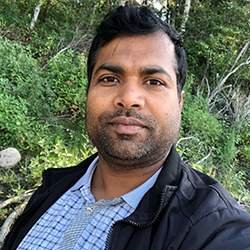
Mukesh Mishra, MSW, RCSW
Mukesh Mishra, MSW, RCSW, is a Registered Clinical Social Worker in Alberta at Disha Counselling & Wellness Centre in Edmonton. He provides trauma-informed, culturally responsive counselling in English, Hindi, Nepali, Punjabi and Urdu, using CBT, EMDR, DBT and the Gottman Method, and is an ACSW-approved RCSW supervisor for social workers.