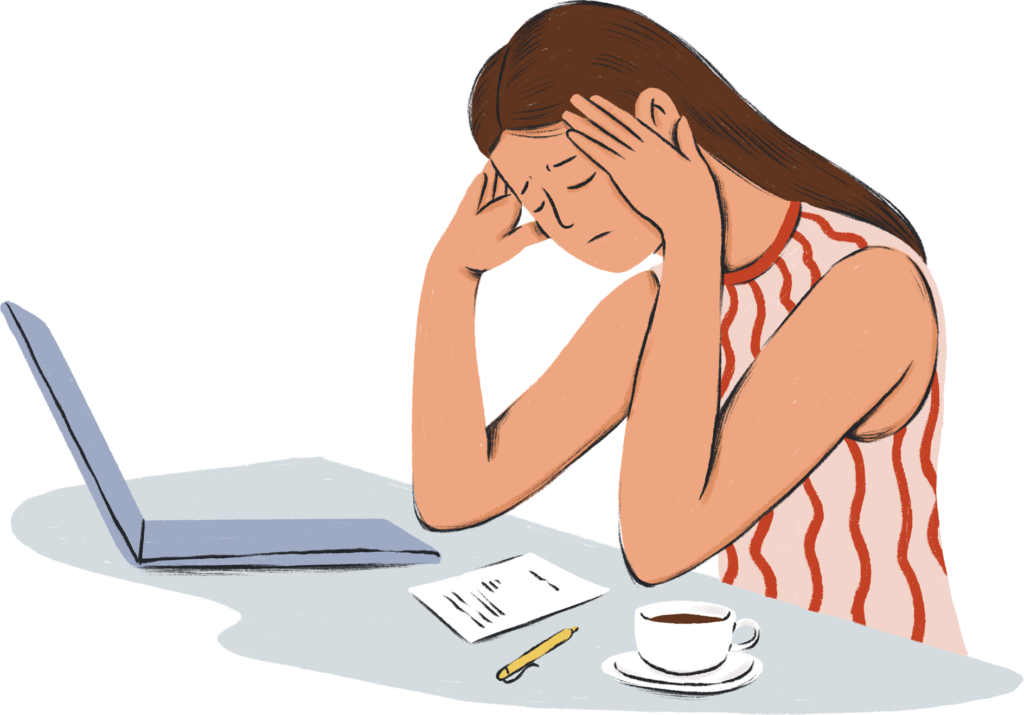
Is your child struggling to focus, sit still or follow rules? Learn common ADHD signs, what else can cause similar behaviour and how screening and behavioural assessment help.
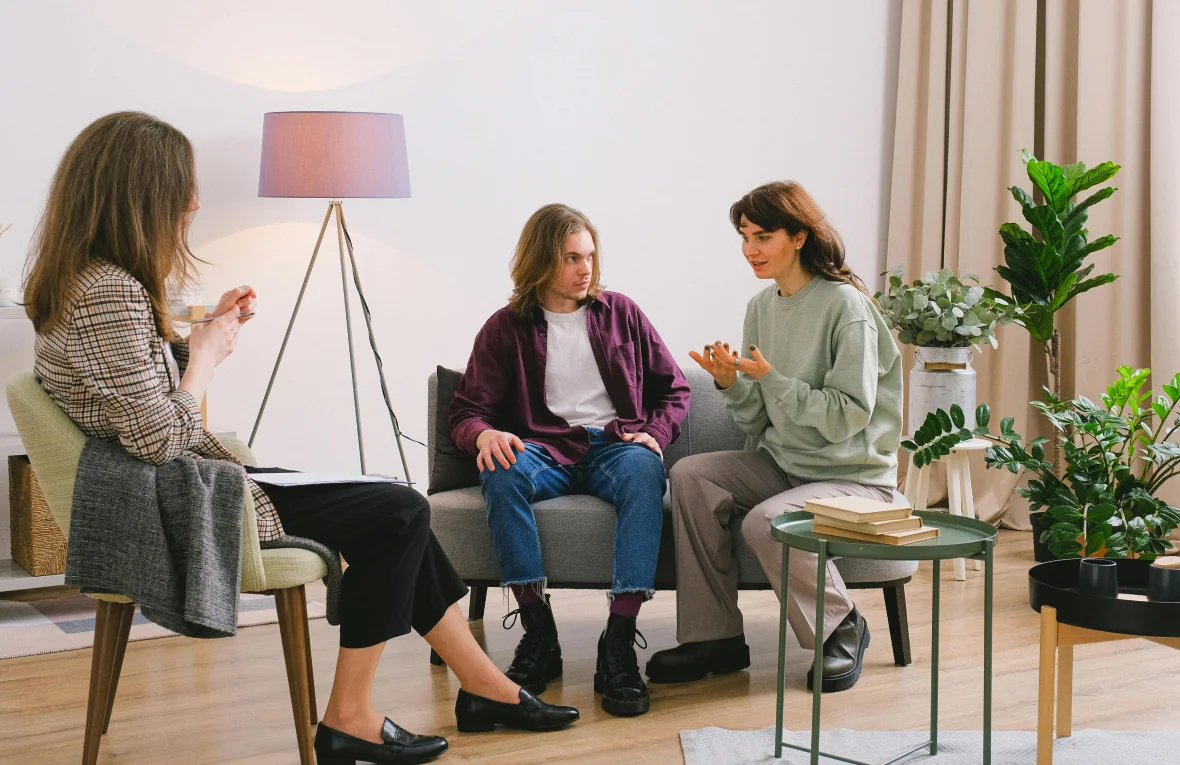
The teacher’s note says your child is “not paying attention” again. At home, homework turns into a battle, instructions seem to go in one ear and out the other, and your child acts before thinking. You wonder: is this ADHD, a phase or something else?
Many parents ask this question. Attention and behaviour difficulties have many possible causes, and getting the right understanding matters. This guide explains common signs of ADHD, what else can look similar and how screening and assessment can help.
Key takeaways
- ADHD involves ongoing patterns of inattention and/or hyperactivity-impulsivity that appear in more than one setting and affect daily life.
- Many other things can look like ADHD, including anxiety, learning differences, sleep problems, trauma and stress at home.
- Screening and behavioural assessment can identify patterns, needs and next steps, including referral for a formal diagnosis.
- In Alberta, an ADHD diagnosis is typically made by a physician, pediatrician, psychiatrist or psychologist.
- Children benefit from support whether or not they receive a diagnosis.
Common signs of ADHD in children
ADHD, or attention-deficit/hyperactivity disorder, is a neurodevelopmental condition. Signs usually appear before age 12 and are seen in more than one setting, such as at home and at school.
| Inattention | Hyperactivity | Impulsivity |
|---|---|---|
| Trouble staying focused on tasks or play | Fidgeting, squirming, tapping | Blurting out answers |
| Seems not to listen when spoken to | Difficulty staying seated | Trouble waiting their turn |
| Loses things often | Running or climbing at inappropriate times | Interrupting others |
| Easily distracted | Talking excessively | Acting without thinking about consequences |
| Avoids tasks requiring sustained effort | Seems “driven by a motor” | Difficulty controlling emotional reactions |
| Forgetful in daily activities | Difficulty playing quietly | Grabbing things from others |
All children show some of these behaviours sometimes. ADHD is considered when they are frequent, more intense than expected for the child’s age and cause real difficulties.
Types of ADHD
ADHD is often described in three presentations:
- Predominantly inattentive: mainly difficulties with focus and organization. Often overlooked, especially in girls, because the child may be quiet.
- Predominantly hyperactive-impulsive: mainly restlessness and impulsivity.
- Combined: a mix of both.
What else can look like ADHD
Several conditions and situations can cause similar behaviour:
- Anxiety: worried children may seem distracted or restless. See our article on anxiety in children.
- Learning differences: such as dyslexia, which can make schoolwork frustrating
- Sleep problems: tired children may be inattentive, irritable or hyperactive
- Trauma or stress: family conflict, loss, separation or other difficult experiences
- Hearing or vision problems
- Language differences: for children learning English as an additional language
- Mood difficulties: such as depression or irritability
- Autism: which can share some features and can also co-occur with ADHD
This is why careful assessment is important rather than assuming ADHD.
Screening, behavioural assessment and diagnosis
| Step | What it involves | Who typically does it |
|---|---|---|
| Screening | Questionnaires and interviews to identify whether ADHD-type patterns are present and further assessment may be needed | Counsellors, social workers, physicians |
| Behavioural assessment | A closer look at behaviour patterns, triggers, strengths and needs across settings, with recommendations | Qualified mental health professionals |
| Formal diagnosis | Comprehensive evaluation to determine whether ADHD or another condition is present | Physicians, pediatricians, psychiatrists or psychologists |
Screening and behavioural assessment can provide valuable information for families, schools and physicians, help guide practical supports and support referral for a formal diagnosis when appropriate.
What to expect in an assessment
- Parent interview about development, health, family history and current concerns
- Child interview or observation, appropriate to the child’s age
- Questionnaires completed by parents and often teachers
- Review of school reports or other relevant information, with your consent
- Summary and recommendations for home, school and next steps
Example: Nine-year-old Kabir’s teacher reported he was distracted and often out of his seat. His parents worried about ADHD. During a behavioural assessment, the counsellor learned Kabir had trouble sleeping since his grandmother’s death and was anxious at school. Questionnaires showed some attention difficulties, but also clear signs of grief and anxiety. Recommendations included counselling for grief and anxiety, sleep routines and a follow-up with his pediatrician if attention concerns continued.
Supporting your child at home
Whether or not your child has ADHD, these strategies often help:
- Clear routines for mornings, homework and bedtime
- Short, simple instructions, one step at a time
- Visual reminders, such as charts and checklists
- Breaking tasks into smaller parts with breaks
- Praising effort and specific positive behaviour
- Regular physical activity and outdoor play
- Consistent, calm consequences
- Working with teachers on classroom supports
Our parenting support counselling and parenting across cultures group can help families build these skills.
Culture, stigma and ADHD
In some families, behaviour difficulties are seen as poor discipline or a reflection on parents. Others worry about labels. Understanding your child’s needs is not about blame. It is about giving them the right support to thrive. Our article on South Asian mental health stigma discusses how families can approach these conversations.
How Disha can help
At Disha, we offer ADHD screening in Edmonton, behavioural assessment, ADHD therapy and child counselling, in person in South Edmonton or online where appropriate, in English, Hindi, Nepali, Punjabi or Urdu. We can help you understand your child’s needs and work alongside your family doctor or pediatrician when further assessment is needed. Parents who wonder about their own attention difficulties may find our article on adult ADHD screening in Alberta helpful.
Understand your child’s needs
Book an ADHD screening or behavioural assessment with Disha in South Edmonton.
Frequently asked questions
At what age can ADHD be identified?
Signs usually appear before age 12, and ADHD is often identified in the early school years when demands on attention and behaviour increase.
Who can diagnose ADHD in Alberta?
ADHD is typically diagnosed by a physician, pediatrician, psychiatrist or psychologist. Screening and behavioural assessments can support this process.
What is the difference between screening and diagnosis?
Screening identifies whether ADHD-type patterns are present and further assessment may be needed. Diagnosis is a comprehensive evaluation that confirms whether ADHD or another condition is present.
Can anxiety look like ADHD in children?
Yes. Anxious children may seem distracted, restless or irritable. Careful assessment helps tell the difference, and some children have both.
Will my child be labelled?
Assessment is about understanding your child’s needs and finding the right support. You decide how information is shared, within legal and professional limits.
Can girls have ADHD?
Yes. Girls are often overlooked because they are more likely to have the inattentive presentation, which can be quieter and less disruptive.
Disha Counselling & Wellness Centre is at 3818A 97 St NW #203, Edmonton, AB T6E 6N2, and offers online counselling across Alberta. Find us on Psychology Today and eMentalHealth.ca, watch short videos on YouTube and TikTok, or follow us on Instagram, LinkedIn, Facebook and Pinterest.
Reviewed by Mukesh Mishra, MSW, RCSW, Registered Clinical Social Worker and ACSW-approved RCSW supervisor at Disha Counselling & Wellness Centre. This article is general information and is not a substitute for individual professional advice. Counselling is not an emergency service: if you are in crisis, call or text 9-8-8 or call 911.
Ready to talk to someone?
If what you've just read sounds familiar, we are here to help. Explore Our Counselling Services or book a free 15-minute consultation with Disha Counselling & Wellness Centre.
Book a Consultation
It’s easy and free!

Mukesh Mishra, MSW, RCSW
Mukesh Mishra, MSW, RCSW, is a Registered Clinical Social Worker in Alberta at Disha Counselling & Wellness Centre in Edmonton. He provides trauma-informed, culturally responsive counselling in English, Hindi, Nepali, Punjabi and Urdu, using CBT, EMDR, DBT and the Gottman Method, and is an ACSW-approved RCSW supervisor for social workers.