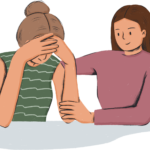
Shock, fear and sleepless nights are common after a traumatic event. What is normal, how to cope in the first weeks, and when it may be time to get help.

After a traumatic event, such as an accident, assault, sudden loss, violence or disaster, it is normal to feel shocked, frightened, numb, angry or on edge. Sleep, concentration and appetite are often disrupted. For most people, these reactions ease gradually over the following weeks, especially with rest, routine and support from people they trust. If symptoms are not improving after about a month, are getting worse or are making daily life very hard, it is a good time to reach out for professional help.
Key takeaways
- Strong reactions in the days and weeks after trauma are common and understandable.
- Safety, rest, routine and connection are the most helpful first steps.
- You do not have to talk about every detail right away. Share at your own pace.
- Symptoms lasting more than a month may point to PTSD, which is very treatable.
- Trauma-focused therapies such as trauma-focused CBT and EMDR have strong research support.
Common reactions after trauma
- Emotional: shock, disbelief, fear, sadness, guilt, anger, numbness or mood swings
- Physical: racing heart, shakiness, headaches, stomach upset, fatigue, startling easily
- Thinking: replaying the event, trouble concentrating, memory gaps, “what if” thoughts
- Behaviour: avoiding reminders, withdrawing, trouble sleeping, nightmares, changes in eating or drinking
These are signs of a nervous system trying to protect you after danger, not signs that you are weak or going crazy.
How to cope in the first days and weeks
- Get to safety. Physical safety comes first. If the danger is ongoing, such as violence at home, focus on a safety plan.
- Look after your body. Eat regular meals, drink water, move gently and rest, even if sleep is broken.
- Keep a simple routine. Familiar daily rhythms help the brain feel more settled.
- Stay connected. Spend time with people who make you feel safe. You can be with others without talking about what happened.
- Talk when you are ready. Some people want to talk; others do not. Research suggests forcing a detailed retelling soon after an event is not helpful for everyone. Go at your own pace.
- Limit news and social media, especially repeated images of the event.
- Go easy on alcohol and drugs. They may numb feelings briefly but tend to worsen sleep, mood and anxiety.
- Use grounding skills. Name five things you can see, four you can feel, three you can hear. Slow your breathing, with a longer out-breath than in-breath.
- Postpone big decisions where possible until you feel steadier.
5 things to know about PTSD
- Most people do not develop PTSD. Many recover naturally over time, especially with good support.
- PTSD has recognizable signs. These include intrusive memories or flashbacks, avoiding reminders, negative changes in mood and beliefs, and feeling constantly on guard, lasting more than a month.
- It can start later. Symptoms sometimes appear months after the event, or return when something brings it to mind.
- Anyone can develop it. PTSD is not a sign of weakness. First responders, veterans, accident survivors, refugees and survivors of abuse are all affected.
- It is very treatable. Trauma-focused CBT, cognitive processing therapy and EMDR help many people significantly reduce symptoms.
Read more about PTSD treatment in Edmonton.
When to get professional help
Reach out to a counsellor or your doctor if:
- Symptoms are not easing after three to four weeks, or are getting worse
- You are avoiding work, driving, people or places in ways that shrink your life
- Nightmares and poor sleep continue night after night
- You feel detached, hopeless or constantly on edge
- You are relying on alcohol or other substances to cope
- Relationships are suffering because of irritability or withdrawal
If you are having thoughts of suicide or harming yourself, call or text 9-8-8 any time, or call 911. You can also call Health Link at 811 for health advice in Alberta.
Helping someone after a traumatic event
- Be calm and present. You do not need perfect words.
- Help with practical things, such as meals, rides and childcare.
- Listen without pushing for details or judging how they cope.
- Avoid saying “it could have been worse” or “you should be over it by now.”
- Gently encourage professional help if they are still struggling after a few weeks.
How trauma counselling helps
Trauma counselling starts with safety and stabilization: skills to manage overwhelming emotions, sleep and anxiety. When you are ready, therapy helps your brain process the memory so it feels less raw and less present. At Disha, trauma therapy is available in person in South Edmonton or online across Alberta, in English, Hindi, Nepali, Punjabi or Urdu. If your trauma involved a crash, see our guide to emotional recovery after a car accident and our motor vehicle accident counselling. A trauma impact assessment can also document how an event has affected you.
Talk to a Registered Clinical Social Worker
Still shaken weeks later? Talk with a trauma-informed counsellor, in person in Edmonton or online anywhere in Alberta.
Frequently asked questions
How long do trauma symptoms usually last?
For many people, symptoms ease noticeably within a few weeks. If they last more than a month, get worse or interfere with daily life, it is a good idea to seek professional help.
What is the difference between acute stress and PTSD?
Acute stress reactions occur in the first month after a traumatic event. PTSD may be considered when significant symptoms continue for more than a month and affect daily functioning. Only a qualified professional can diagnose PTSD.
Should I talk about the traumatic event right away?
Only if you want to. Some people find talking helpful, while others need time. Being with supportive people matters more than retelling every detail.
Can trauma therapy be done online?
Yes. Trauma-focused therapies, including EMDR, can be delivered effectively by secure video for many people.
Is trauma counselling covered by insurance?
Many extended health plans cover counselling with a Registered Clinical Social Worker. Motor vehicle accident claims and some workplace programs may also cover counselling. Check your plan or claim details.
Disha Counselling & Wellness Centre is at 3818A 97 St NW #203, Edmonton, AB T6E 6N2, and offers online counselling across Alberta. Find us on Psychology Today and eMentalHealth.ca, watch short videos on YouTube and TikTok, or follow us on Instagram, LinkedIn and Facebook.
Reviewed by Mukesh Mishra, MSW, RCSW, Registered Clinical Social Worker and ACSW-approved RCSW supervisor at Disha Counselling & Wellness Centre. Last updated October 1, 2026. This article is general information and is not a substitute for individual professional advice.
Ready to talk to someone?
If what you've just read sounds familiar, we are here to help. Explore Trauma Therapy in Edmonton or book a free 15-minute consultation with Disha Counselling & Wellness Centre.
Book a Consultation
It’s easy and free!
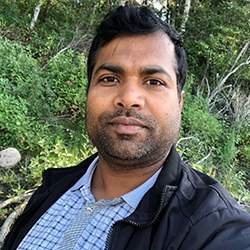
Mukesh Mishra, MSW, RCSW
Mukesh Mishra, MSW, RCSW, is a Registered Clinical Social Worker in Alberta at Disha Counselling & Wellness Centre in Edmonton. He provides trauma-informed, culturally responsive counselling in English, Hindi, Nepali, Punjabi and Urdu, using CBT, EMDR, DBT and the Gottman Method, and is an ACSW-approved RCSW supervisor for social workers.