Mindfulness is not about emptying your mind. It is about noticing what is happening with curiosity instead of judgment. Try these simple practices for stress and anxiety.
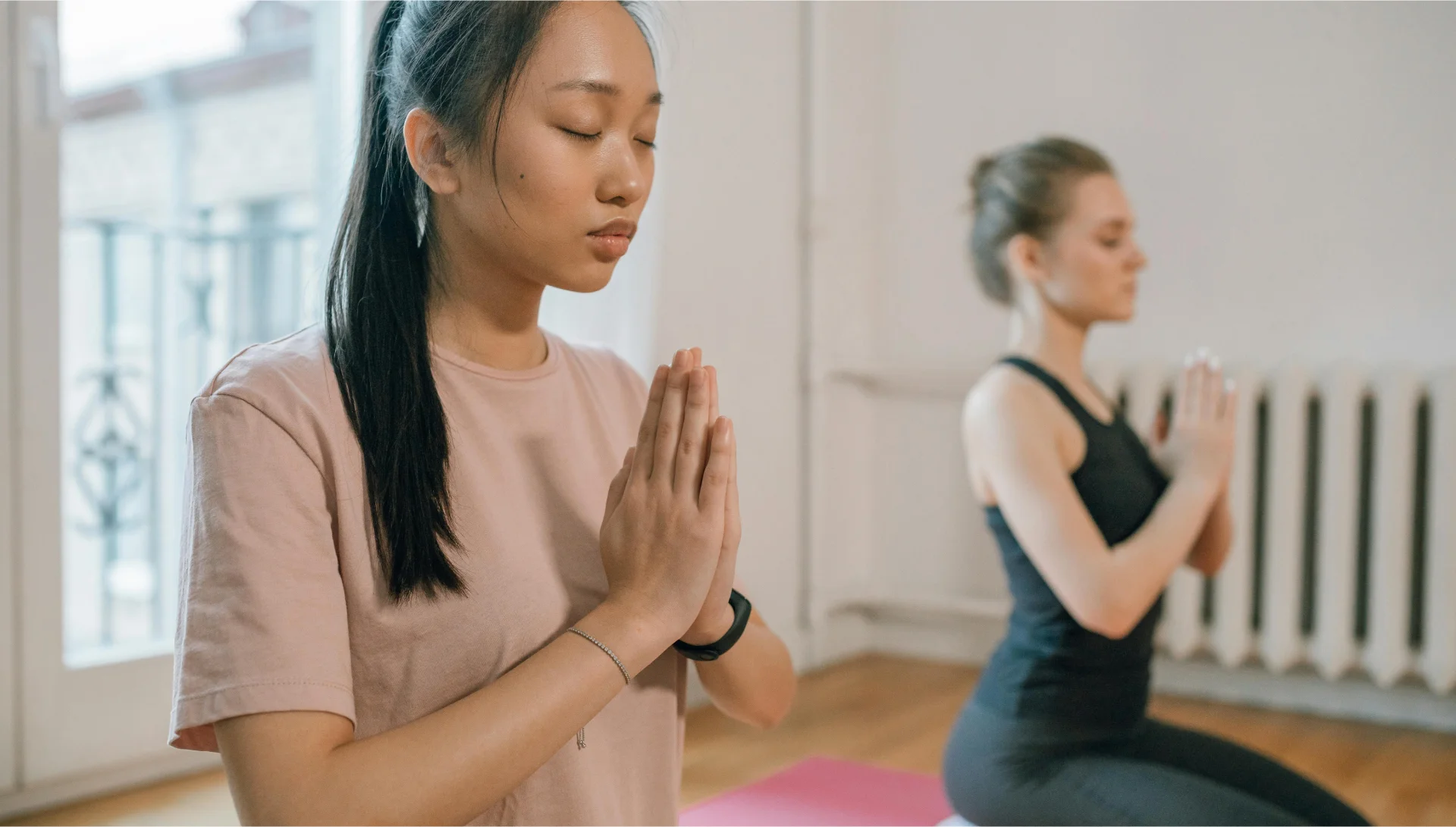
You sit down to “be mindful” and within seconds your mind is planning dinner, replaying an argument and wondering if you replied to that email. You decide mindfulness is not for you.
That moment, when you notice your mind has wandered, is actually mindfulness. This beginner’s guide explains what mindfulness is and is not, offers short practices you can try today and explains how it supports mental health.
Key takeaways
- Mindfulness means paying attention to the present moment on purpose, with openness rather than judgment.
- A wandering mind is normal. Noticing it and gently returning is the practice.
- Short, regular practice of a few minutes a day is more useful than occasional long sessions.
- Research supports mindfulness-based approaches for stress, anxiety and preventing relapse of depression.
- Mindfulness is a skill, not a cure-all, and works well alongside counselling.
What mindfulness is
Mindfulness is paying attention to what is happening right now, in your body, mind and surroundings, on purpose and without harsh judgment. It has roots in contemplative traditions, including Buddhist meditation, and has been adapted into secular programs such as Mindfulness-Based Stress Reduction (MBSR) and Mindfulness-Based Cognitive Therapy (MBCT).
Mindfulness can be practised formally, by setting aside time to meditate, or informally, by bringing full attention to everyday activities like eating, walking or washing dishes.
Many cultures have their own contemplative practices, such as prayer, chanting, breath practices in yoga or quiet reflection. Mindfulness can sit comfortably alongside your faith and traditions.
Common myths
| Myth | Reality |
|---|---|
| You need to empty your mind | The mind wanders constantly. Mindfulness is noticing and returning, not stopping thoughts. |
| It is just relaxation | Relaxation is a common side effect, but the goal is awareness, including of difficult feelings. |
| You need an hour a day | Even 3 to 10 minutes a day can make a difference over time. |
| It is religious | Mindfulness has spiritual roots, but most clinical programs are secular and suit any background. |
| If I feel anxious while doing it, I’m failing | Noticing anxiety with curiosity is part of the practice. |
How mindfulness helps mental health
Much of our distress comes not only from difficult events, but from how our minds respond to them: worrying about the future, replaying the past or criticizing ourselves. Mindfulness helps you step back and see thoughts as mental events rather than facts.
Research suggests mindfulness-based programs can help reduce stress and anxiety, improve emotional regulation and, in the case of MBCT, lower the risk of depression returning for people with a history of recurrent depression. It can also help people live with chronic pain, as described in our article on chronic pain and mental health.
Simple practices to try
1. Three mindful breaths (1 minute)
Pause. Take three slow breaths. On each one, notice the air coming in, the pause and the air going out. That is it. Try this before meetings, after difficult phone calls or while waiting at a red light on Whyte Avenue.
2. The 5-4-3-2-1 grounding exercise (2 to 3 minutes)
Name 5 things you can see, 4 you can feel, 3 you can hear, 2 you can smell and 1 you can taste. This brings attention out of racing thoughts and into the present, which can help during anxiety. Our guide to grounding techniques for panic attacks has more options.
3. Body scan (5 to 10 minutes)
Lie down or sit comfortably. Slowly move your attention from your toes to the top of your head, noticing sensations such as warmth, pressure or tension without trying to change them. If your mind wanders, gently return to where you left off.
4. Mindful walking (5 minutes)
Walk slowly, noticing the lift, movement and placement of each foot. In winter, try it indoors in a hallway or mall. In summer, the river valley trails are ideal.
5. Noticing thoughts (3 minutes)
Sit quietly and imagine your thoughts as cars passing on a road or leaves floating down a stream. Label them gently, such as “planning”, “worrying” or “remembering”, and let them pass without following them.
6. Mindful routine activity
Choose one daily task, such as drinking tea, brushing your teeth or washing dishes, and do it with full attention to sight, sound, touch and smell.
Building a habit
- Start small. Begin with 2 to 5 minutes a day.
- Link it to an existing habit, such as after your morning coffee or before bed.
- Use reminders, such as a sticky note or phone alarm.
- Expect wandering. Each time you notice and return, you are strengthening attention.
- Be kind to yourself. Missing a day is not failure. Simply start again.
Example: Tanvi, a 29-year-old accountant in Edmonton, felt constantly wound up during tax season. She started with three mindful breaths before opening her email each morning, and a five-minute body scan before bed. At first her mind raced the whole time. After a month, she noticed she could catch herself spiralling earlier and return to what she was doing, and her sleep improved.
When mindfulness is not enough
Mindfulness is a helpful skill, but it is not a replacement for professional support. For people with significant trauma, focusing inward can sometimes bring up difficult memories or feelings. If this happens, practise with eyes open, keep sessions short, focus on external senses and consider guidance from a trained counsellor. Our article on coping after a traumatic event has more on safe grounding.
Mindfulness in counselling
Many evidence-based therapies include mindfulness, including dialectical behaviour therapy (DBT), acceptance and commitment therapy (ACT) and mindfulness-based cognitive therapy. At Disha, mindfulness counselling in Edmonton helps you learn and practise these skills and apply them to stress, anxiety, low mood, anger or pain. You can also explore our stress management therapy.
Learn mindfulness with support
Book a session in South Edmonton or online anywhere in Alberta, in English, Hindi, Nepali, Punjabi or Urdu.
Frequently asked questions
How long should I practise mindfulness each day?
Even 5 to 10 minutes a day can help. Consistency matters more than duration.
Is mindfulness the same as meditation?
Meditation is one way to practise mindfulness. You can also practise informally by paying full attention to everyday activities.
Can mindfulness help with anxiety?
Research suggests mindfulness-based approaches can reduce anxiety and stress by helping you relate differently to anxious thoughts and body sensations.
What if my mind keeps wandering?
That is normal. Noticing that your mind has wandered and gently returning to the present is the core of the practice.
Is mindfulness religious?
Mindfulness has roots in contemplative traditions, but clinical programs are secular. Many people practise it alongside their own faith.
Is mindfulness safe for people with trauma?
Often yes, with adaptations. Short practices, eyes open and focusing on external senses can help. A trauma-informed counsellor can guide you.
Disha Counselling & Wellness Centre is at 3818A 97 St NW #203, Edmonton, AB T6E 6N2, and offers online counselling across Alberta. Find us on Psychology Today and eMentalHealth.ca, watch short videos on YouTube and TikTok, or follow us on Instagram, LinkedIn, Facebook and Pinterest.
Reviewed by Mukesh Mishra, MSW, RCSW, Registered Clinical Social Worker and ACSW-approved RCSW supervisor at Disha Counselling & Wellness Centre. This article is general information and is not a substitute for individual professional advice. Counselling is not an emergency service: if you are in crisis, call or text 9-8-8 or call 911.
Ready to talk to someone?
If what you've just read sounds familiar, we are here to help. Explore Anxiety Therapy in Edmonton or book a free 15-minute consultation with Disha Counselling & Wellness Centre.
Book a Consultation
It’s easy and free!
Mukesh Mishra, MSW, RCSW
Mukesh Mishra, MSW, RCSW, is a Registered Clinical Social Worker in Alberta at Disha Counselling & Wellness Centre in Edmonton. He provides trauma-informed, culturally responsive counselling in English, Hindi, Nepali, Punjabi and Urdu, using CBT, EMDR, DBT and the Gottman Method, and is an ACSW-approved RCSW supervisor for social workers.