A layoff can shake your finances, your routine and your sense of who you are. Learn how job loss affects mental health and practical steps to steady yourself and move forward.
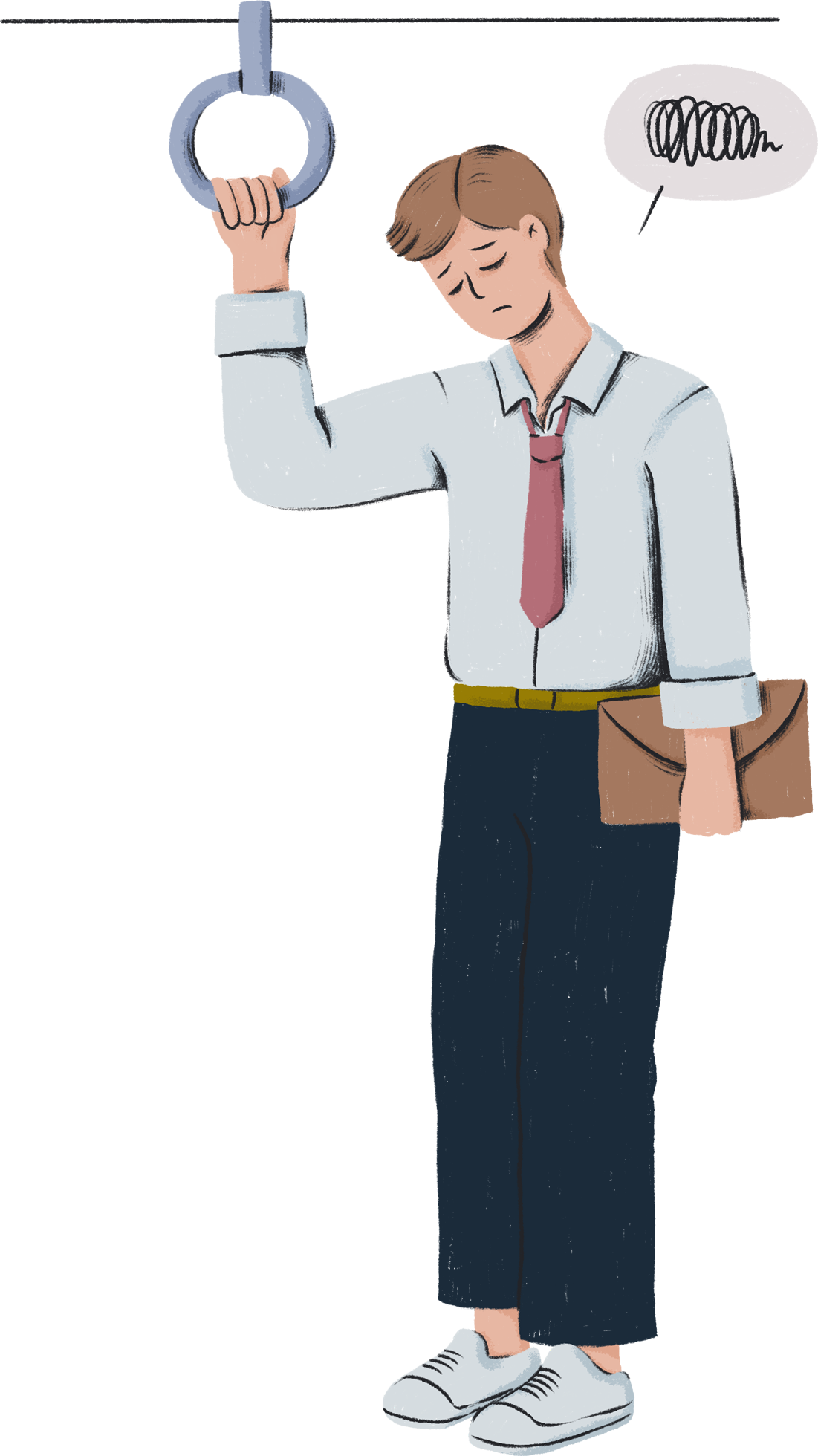
The meeting was short. Your access card stopped working the same afternoon. Whether it came as a shock or after months of rumours, losing a job can leave you feeling stunned, angry, embarrassed and afraid all at once.
Alberta’s economy has seen its share of booms and busts, and many people here have been through layoffs, sometimes more than once. Job loss is not a personal failure. But it is a major life stress, and it deserves care. This guide explains how job loss affects mental health and offers practical steps for the weeks ahead.
Key takeaways
- Job loss affects identity, routine, relationships and finances, not just income.
- Feelings such as shock, anger, shame and grief are normal reactions.
- Practical first steps, such as applying for Employment Insurance and reviewing your finances, can reduce uncertainty.
- Keeping a daily routine, staying connected and looking after your body protects your mental health.
- If low mood, anxiety or hopelessness lasts or deepens, counselling can help, and 9-8-8 is available in a crisis.
Why job loss hits so hard
Work gives us more than a paycheque. It often provides:
- Identity: “I’m an engineer,” “I’m a supervisor”
- Structure: a reason to get up and a shape to the day
- Social connection: colleagues, friendships and belonging
- Purpose: a sense of contribution and achievement
- Security: for yourself and your family
When a job ends, all of these can disappear at once. For many people, especially men and those who see themselves as providers, losing a job can feel like losing a part of themselves. Newcomers may face added pressure, such as family expectations back home, visa concerns or credentials that are hard to transfer.
Common emotional reactions
There is no “right” way to feel. Common reactions include:
- Shock or numbness
- Anger at the employer or situation
- Shame or embarrassment
- Anxiety about money and the future
- Grief for colleagues, routines and plans
- Relief, if the job was stressful
- Low mood, irritability or trouble sleeping
These feelings often come in waves. Our article on burnout at work may resonate if your job was stressful before it ended.
Practical first steps
Taking action on practical matters can reduce the sense of being out of control.
- Review your termination details. Check what pay, benefits and notice you are owed. Alberta Employment Standards and an employment lawyer can explain your rights.
- Apply for Employment Insurance (EI) through Service Canada as soon as possible after your last day of work, even if you have not received your Record of Employment yet.
- Check your benefits. Ask whether health benefits or your employee assistance program (EAP) continue for a time after your job ends. Use them while you can.
- Make a short-term budget. List essential expenses and where you can cut back for now.
- Contact lenders early if you expect trouble with mortgage, rent or loan payments.
- Explore Alberta supports. Alberta Supports and 211 Alberta can connect you to career, training and financial programs.
- Update your resume and LinkedIn when you feel ready, not necessarily on day one.
Protecting your mental health
Keep a routine
Get up at a regular time, get dressed and plan your day. Mix job search tasks with exercise, chores, family time and rest.
Set realistic job search goals
Instead of “find a job”, try “send three applications and make one networking call this week”. Celebrate effort, not just outcomes.
Stay connected
Isolation can feed low mood. Reach out to friends, former colleagues and community groups. If you are new to Canada, our article on newcomer loneliness in Edmonton may resonate. Our article on understanding loneliness has more ideas.
Look after your body
Sleep, regular meals, time outdoors and movement help regulate stress. Be cautious with alcohol, which can worsen mood and sleep. Our article on signs drinking is becoming a problem may be useful.
Limit comparisons
Social media can make it look like everyone else is thriving. Take breaks if scrolling makes you feel worse.
Talking to your family
Many people hide a layoff from family or friends out of shame. Secrecy usually adds stress. Some tips:
- Be honest with your partner about the situation and finances
- Share age-appropriate information with children. They notice changes and may worry more if they are left guessing.
- Make a family plan for spending and routines
- Accept help, whether it is a meal, a referral or a listening ear
| Unhelpful thought | More balanced alternative |
|---|---|
| “I’m a failure.” | “I lost a job. That doesn’t define my worth.” |
| “I’ll never find work again.” | “This is hard, and many people find new work after a layoff.” |
| “Everyone is judging me.” | “Many people have been through this. Those who care about me want to help.” |
| “I should have seen it coming.” | “Layoffs often happen for reasons outside my control.” |
Example: Rajesh worked in oil and gas operations in Edmonton for 14 years before his position was cut. He felt ashamed and kept leaving the house each morning so his kids would not know. After two weeks, his wife noticed he was barely sleeping. When he finally told her, she was relieved he had shared it. Together they made a budget and he began seeing a counsellor through his former employer’s EAP. Counselling helped him work through the shame and plan a move into a related field.
When to get extra help
Consider talking to a counsellor or doctor if:
- Low mood, anxiety or irritability lasts more than a couple of weeks
- You are sleeping much more or much less than usual
- You are drinking more to cope
- You are pulling away from people
- You feel hopeless or worthless
If you have thoughts of suicide, call or text 9-8-8, or call 911. Our article on signs of depression explains when low mood needs attention.
How counselling helps
Counselling can help you process the loss, manage stress and anxiety, rebuild confidence and plan next steps. At Disha, we offer stress management therapy, depression therapy and individual counselling, in person in South Edmonton or online anywhere in Alberta. If cost is a concern, see our guide to free and low-cost counselling. Sliding scale fees may be available case by case.
Steady yourself after a layoff
Book a confidential session in English, Hindi, Nepali, Punjabi or Urdu, in person or online.
Frequently asked questions
Is it normal to feel depressed after losing a job?
Yes. Job loss is a major life stress, and feelings such as sadness, shame, anger and anxiety are common. If they last or deepen, consider talking to a counsellor or doctor.
When should I apply for Employment Insurance?
Service Canada recommends applying as soon as possible after your last day of work, even if you have not yet received your Record of Employment.
Can I still use my EAP after being laid off?
Some employers extend EAP or benefits for a period after a layoff. Check with your former employer or plan provider.
How do I tell my kids I lost my job?
Use simple, honest language suited to their age, reassure them they are safe and cared for, and explain any changes to routines.
Can counselling help with career decisions after a layoff?
Counselling can help you manage the emotional impact, rebuild confidence and think through options, alongside career services.
What if I cannot afford counselling after losing my job?
Look into free and low-cost options, including community services and sliding scale fees. Disha considers sliding scale fees case by case.
Disha Counselling & Wellness Centre is at 3818A 97 St NW #203, Edmonton, AB T6E 6N2, and offers online counselling across Alberta. Find us on Psychology Today and eMentalHealth.ca, watch short videos on YouTube and TikTok, or follow us on Instagram, LinkedIn, Facebook and Pinterest.
Reviewed by Mukesh Mishra, MSW, RCSW, Registered Clinical Social Worker and ACSW-approved RCSW supervisor at Disha Counselling & Wellness Centre. This article is general information and is not a substitute for individual professional advice. Counselling is not an emergency service: if you are in crisis, call or text 9-8-8 or call 911.
Ready to talk to someone?
If what you've just read sounds familiar, we are here to help. Explore Our Counselling Services or book a free 15-minute consultation with Disha Counselling & Wellness Centre.
Book a Consultation
It’s easy and free!

Mukesh Mishra, MSW, RCSW
Mukesh Mishra, MSW, RCSW, is a Registered Clinical Social Worker in Alberta at Disha Counselling & Wellness Centre in Edmonton. He provides trauma-informed, culturally responsive counselling in English, Hindi, Nepali, Punjabi and Urdu, using CBT, EMDR, DBT and the Gottman Method, and is an ACSW-approved RCSW supervisor for social workers.