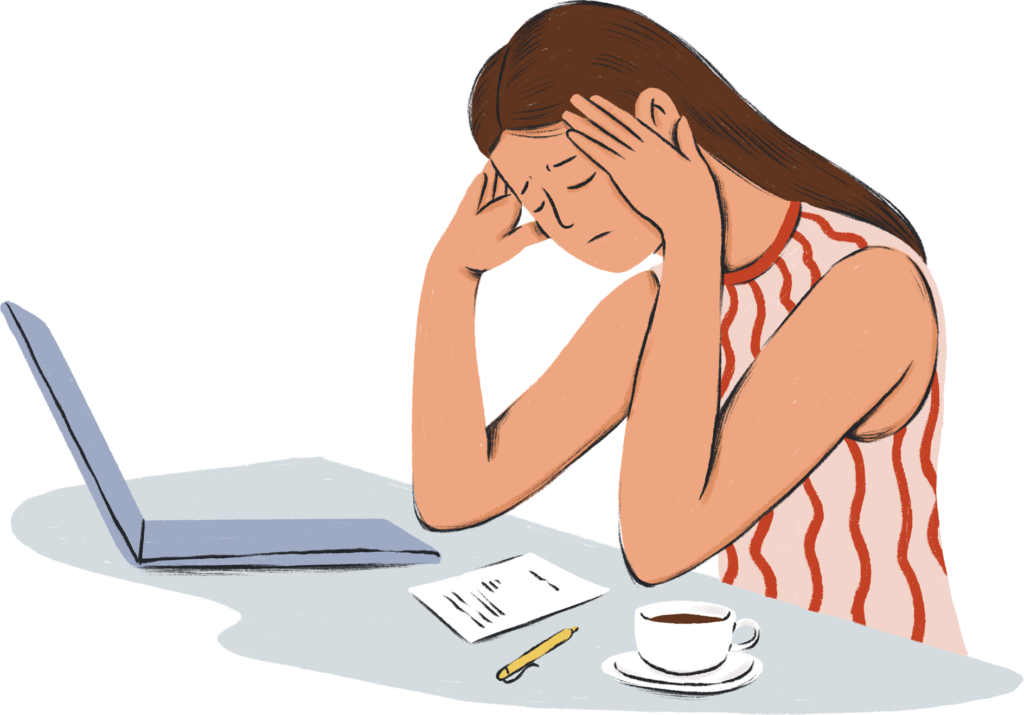
A headache becomes a tumour, a skipped heartbeat becomes a heart attack. Learn the signs of health anxiety, why checking and googling keep it going, and what helps.

A twinge in your chest. A headache that lingers. A mole that looks different. Within minutes you are searching symptoms online, reading worst-case stories and feeling your heart race. You book a doctor’s appointment, get reassurance and feel better for a day or two. Then the worry returns, sometimes about something new.
Health anxiety, sometimes called hypochondria or illness anxiety, is more common than many people realize. It is not about “making things up”. The fear and physical sensations are real, and so is the toll on daily life. This guide explains what health anxiety is and how to break the cycle.
Key takeaways
- Health anxiety is persistent worry about having or developing a serious illness, despite medical reassurance.
- Checking your body, googling symptoms and seeking reassurance bring short-term relief but keep the anxiety going.
- Anxiety itself causes real physical sensations, which can feel like proof of illness.
- Cognitive behavioural therapy (CBT) is a well-supported treatment for health anxiety.
- It is still important to see a doctor for new or concerning symptoms. The goal is balanced care, not ignoring your health.
What health anxiety is
Health anxiety involves a strong, ongoing fear of having or developing a serious illness. People with health anxiety often:
- Interpret normal body sensations as signs of disease
- Check their body frequently, such as pulse, lumps, skin or breathing
- Search symptoms online for long periods
- Seek repeated reassurance from doctors, family or friends
- Avoid medical appointments, hospitals or health information altogether
- Feel only brief relief after tests come back normal
Clinicians may use terms such as illness anxiety disorder or somatic symptom disorder, depending on the pattern. You do not need a label to benefit from help.
Why it happens
Health anxiety often develops from a mix of factors:
- Past experiences: a serious illness in yourself or a loved one, or a frightening medical event
- Anxiety-prone temperament: a tendency to worry or notice threats
- Life stress: major changes or losses
- Health information overload: news stories and online searches
- Beliefs about health: such as “Any symptom could be serious” or “If I stop worrying, I’ll miss something”
The COVID-19 pandemic made health worries more common for many people, and for some, the habit of monitoring their body has continued.
The health anxiety cycle
| Step | Example |
|---|---|
| Trigger | Noticing a headache |
| Catastrophic thought | “What if it’s a brain tumour?” |
| Anxiety | Racing heart, tension, dizziness |
| More body focus | Noticing more sensations, which feel like evidence |
| Safety behaviour | Googling, checking, asking for reassurance, booking appointments |
| Short-term relief | “The doctor says it’s fine.” |
| Long-term effect | Doubt returns: “What if they missed something?” |
Each round of checking teaches your brain that the threat was real and that you needed to check to stay safe.
Anxiety causes physical symptoms
Anxiety activates the body’s fight-or-flight response. This can cause:
- Chest tightness or a racing heart
- Shortness of breath or feeling unable to take a full breath
- Dizziness, tingling or numbness
- Stomach upset, nausea or changes in appetite
- Headaches and muscle tension
- Fatigue
These sensations are real, and they can feel alarming. In health anxiety, they often get misread as signs of disease, which increases anxiety further. Our article on coping after a traumatic event includes grounding skills that also help with physical anxiety.
Practical ways to cope
- Notice the cycle. Label it: “This is health anxiety talking.”
- Limit symptom searching. Set a rule, such as no googling symptoms, or only checking trusted sources once.
- Reduce body checking. Gradually cut back on checking your pulse, lumps or skin.
- Delay reassurance seeking. Wait an hour before asking someone, and notice whether the urge passes.
- Plan regular check-ups with your family doctor instead of urgent visits for every worry.
- Shift attention outward to activities, people and your surroundings.
- Practise tolerating uncertainty. No one can be 100% certain they are healthy. Learning to live with “probably fine” is a key skill.
- Look after your body with sleep, movement and regular meals. Our article on mindfulness for beginners offers simple calming practices.
Health anxiety does not mean you should ignore your health. See a doctor for new, persistent or worsening symptoms, and call 911 for emergencies such as severe chest pain, trouble breathing or signs of a stroke.
Example: After her father’s heart attack, Sana, 34, started checking her pulse dozens of times a day. Every flutter sent her to the walk-in clinic or online forums. Her tests were normal, but the relief never lasted. In therapy, she learned how anxiety causes chest sensations and practised reducing checking. She agreed with her doctor on a regular check-up schedule. Over several months, her worry eased and she started enjoying walks again without monitoring every heartbeat.
How CBT helps
Cognitive behavioural therapy (CBT) is one of the most effective treatments for health anxiety. It can help you:
- Understand how anxiety and body sensations interact
- Identify and test catastrophic thoughts
- Gradually reduce checking, googling and reassurance seeking
- Face avoided situations, such as health information or medical appointments, in a manageable way
- Build tolerance for uncertainty
At Disha, our anxiety therapy and CBT therapy in Edmonton are available in person or online anywhere in Alberta. If health anxiety comes with obsessive checking, our article on OCD signs and treatment may also be helpful.
Supporting someone with health anxiety
- Be patient and kind. The fear is real for them.
- Avoid giving endless reassurance, which can feed the cycle.
- Gently encourage professional support.
- Help them focus on enjoyable activities.
Break the cycle of health worry
Book an anxiety therapy session with Disha in South Edmonton or online across Alberta.
Frequently asked questions
Is health anxiety the same as hypochondria?
Hypochondria is an older term. Clinicians now often use terms such as illness anxiety disorder or somatic symptom disorder, depending on the pattern.
Can anxiety cause real physical symptoms?
Yes. Anxiety triggers the body’s stress response, which can cause chest tightness, dizziness, stomach upset, tingling and other real sensations.
Should I stop going to the doctor?
No. Keep seeing your doctor for new or concerning symptoms. Many people with health anxiety benefit from planned, regular check-ups rather than frequent urgent visits.
Why does reassurance not last?
Reassurance relieves anxiety briefly, but it teaches the brain that the worry needed checking, so doubt returns and the cycle continues.
Can health anxiety be treated?
Yes. Cognitive behavioural therapy is a well-supported treatment, and many people see significant improvement.
Can I get help for health anxiety online?
Yes. Disha offers secure online counselling anywhere in Alberta and in-person sessions in South Edmonton.
Disha Counselling & Wellness Centre is at 3818A 97 St NW #203, Edmonton, AB T6E 6N2, and offers online counselling across Alberta. Find us on Psychology Today and eMentalHealth.ca, watch short videos on YouTube and TikTok, or follow us on Instagram, LinkedIn, Facebook and Pinterest.
Reviewed by Mukesh Mishra, MSW, RCSW, Registered Clinical Social Worker and ACSW-approved RCSW supervisor at Disha Counselling & Wellness Centre. This article is general information and is not a substitute for individual professional advice. Counselling is not an emergency service: if you are in crisis, call or text 9-8-8 or call 911.
Ready to talk to someone?
If what you've just read sounds familiar, we are here to help. Explore Anxiety Therapy in Edmonton or book a free 15-minute consultation with Disha Counselling & Wellness Centre.
Book a Consultation
It’s easy and free!

Mukesh Mishra, MSW, RCSW
Mukesh Mishra, MSW, RCSW, is a Registered Clinical Social Worker in Alberta at Disha Counselling & Wellness Centre in Edmonton. He provides trauma-informed, culturally responsive counselling in English, Hindi, Nepali, Punjabi and Urdu, using CBT, EMDR, DBT and the Gottman Method, and is an ACSW-approved RCSW supervisor for social workers.