Depression is more than feeling sad. Learn the common signs in adults, what treatment involves and when to reach out for counselling in Edmonton.
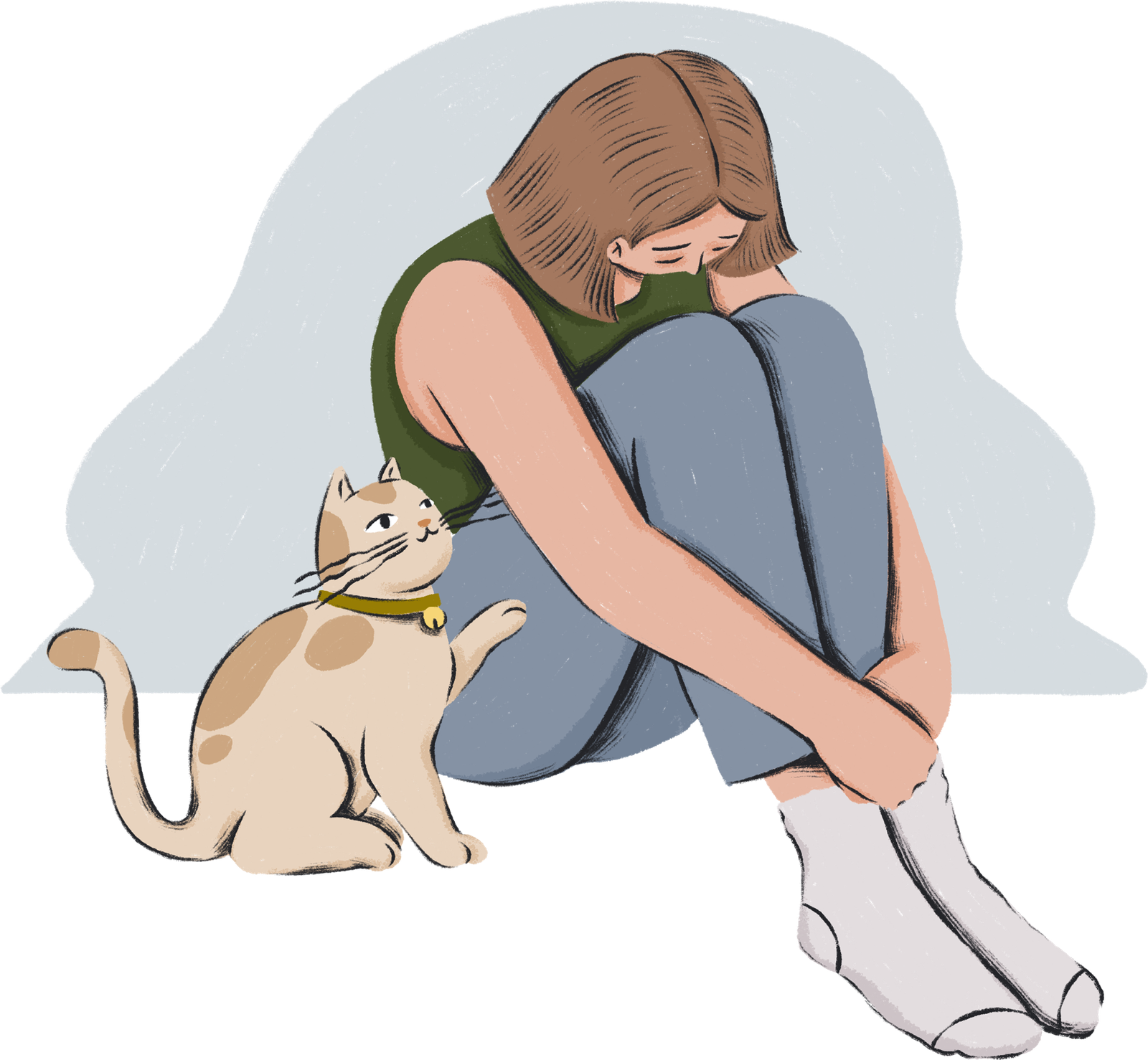
Depression is more than a bad week. It is a persistent low mood or loss of interest that lasts at least two weeks and affects how you think, sleep, eat, work and relate to others. Common signs include feeling empty or hopeless, losing interest in things you used to enjoy, changes in sleep and appetite, low energy, trouble concentrating, and harsh self-criticism. Depression is common and very treatable. Counselling, such as cognitive behavioural therapy, and sometimes medication, help most people feel better.
Key takeaways
- Depression lasts at least two weeks and affects many areas of life.
- It can look like irritability, numbness or physical aches, not only sadness.
- Effective treatments include CBT, other talk therapies and, for some, medication.
- Small daily actions, such as movement, routine and connection, support recovery.
- If you have thoughts of suicide, get help right away: call or text 9-8-8.
Common signs of depression
Mood and thoughts:
- Feeling sad, empty, numb or hopeless most of the day
- Losing interest or pleasure in activities and people
- Guilt, worthlessness or harsh self-criticism
- Trouble concentrating, remembering or making decisions
- Thoughts of death or suicide
Body and behaviour:
- Sleeping much more or much less than usual
- Changes in appetite or weight
- Fatigue and low energy, even after rest
- Moving or speaking more slowly, or feeling restless
- Withdrawing from friends, family and responsibilities
Depression can look different
- In men, it may show up as irritability, anger, overworking, drinking or risk-taking. See men’s mental health counselling.
- In some cultures, people describe depression mainly through physical symptoms, such as headaches, stomach problems or exhaustion.
- After childbirth, depression can affect new mothers and fathers.
- In older adults, it may look like withdrawal, memory problems or loss of motivation.
Sadness vs depression
Sadness is a normal response to loss or disappointment and usually eases with time and support. Depression lasts longer, feels heavier and makes everyday functioning hard. If you are not sure, a mental health assessment or a visit to your doctor can help.
What causes depression?
There is rarely one cause. Common contributors include:
- Stressful life events, such as loss, divorce, job loss or migration
- Long-term stress, burnout or loneliness
- Trauma, past or recent
- Physical health problems, chronic pain and some medications
- Family history and biology
- Substance use
Treatment options
- Cognitive behavioural therapy (CBT): helps you notice and shift patterns of thinking and behaviour that keep low mood going. See CBT therapy in Edmonton.
- Behavioural activation: gradually rebuilding activities that bring pleasure and purpose.
- Other talk therapies: interpersonal, mindfulness-based and trauma-focused approaches.
- Medication: antidepressants, prescribed by a doctor, can help, especially for moderate to severe depression. Many people combine medication with counselling.
Things that help day to day
- Keep a simple daily routine, including a regular wake-up time
- Move your body, even a short walk
- Get daylight, especially during Edmonton winters
- Stay in touch with at least one supportive person
- Break tasks into small steps and notice what you do get done
- Limit alcohol, which worsens mood and sleep
Getting help in Edmonton
At Disha, depression therapy is available in person in South Edmonton or online across Alberta, in English, Hindi, Punjabi, Urdu and Nepali. NIHB, IFHP, insurance direct billing and a sliding scale can make counselling affordable.
If you are thinking about suicide or are in crisis, call or text 9-8-8, call 911, or call Access 24/7 at 780-424-2424.
Talk to a Registered Clinical Social Worker
Feeling low for weeks? Talk with a counsellor about depression, in person in Edmonton or online.
Frequently asked questions
How do I know if I have depression?
If low mood or loss of interest lasts more than two weeks and affects daily life, talk to your doctor or a counsellor. Only a qualified professional can diagnose depression.
Can counselling help depression without medication?
Yes. For mild to moderate depression, therapies such as CBT can be very effective on their own. For more severe depression, a combination of counselling and medication often works best.
How long does depression treatment take?
Many people notice improvement within 8 to 16 sessions of CBT, but it varies.
Can depression come back?
It can. Counselling helps you recognize early warning signs and build a plan to stay well.
What if I cannot afford counselling?
Ask about NIHB, IFHP, workplace programs and our sliding scale for low income or hardship.
Disha Counselling & Wellness Centre is at 3818A 97 St NW #203, Edmonton, AB T6E 6N2, and offers online counselling across Alberta. Find us on Psychology Today and eMentalHealth.ca, watch short videos on YouTube and TikTok, or follow us on Instagram, LinkedIn and Facebook.
Reviewed by Mukesh Mishra, MSW, RCSW, Registered Clinical Social Worker and ACSW-approved RCSW supervisor at Disha Counselling & Wellness Centre. This article is general information and is not a substitute for individual professional advice.
Ready to talk to someone?
If what you've just read sounds familiar, we are here to help. Explore Depression Therapy in Edmonton or book a free 15-minute consultation with Disha Counselling & Wellness Centre.
Book a Consultation
It’s easy and free!

Mukesh Mishra, MSW, RCSW
Mukesh Mishra, MSW, RCSW, is a Registered Clinical Social Worker in Alberta at Disha Counselling & Wellness Centre in Edmonton. He provides trauma-informed, culturally responsive counselling in English, Hindi, Nepali, Punjabi and Urdu, using CBT, EMDR, DBT and the Gottman Method, and is an ACSW-approved RCSW supervisor for social workers.