Burnout is more than being tired. Learn the signs, how it differs from depression, what compassion fatigue looks like in helping professions and how to recover.
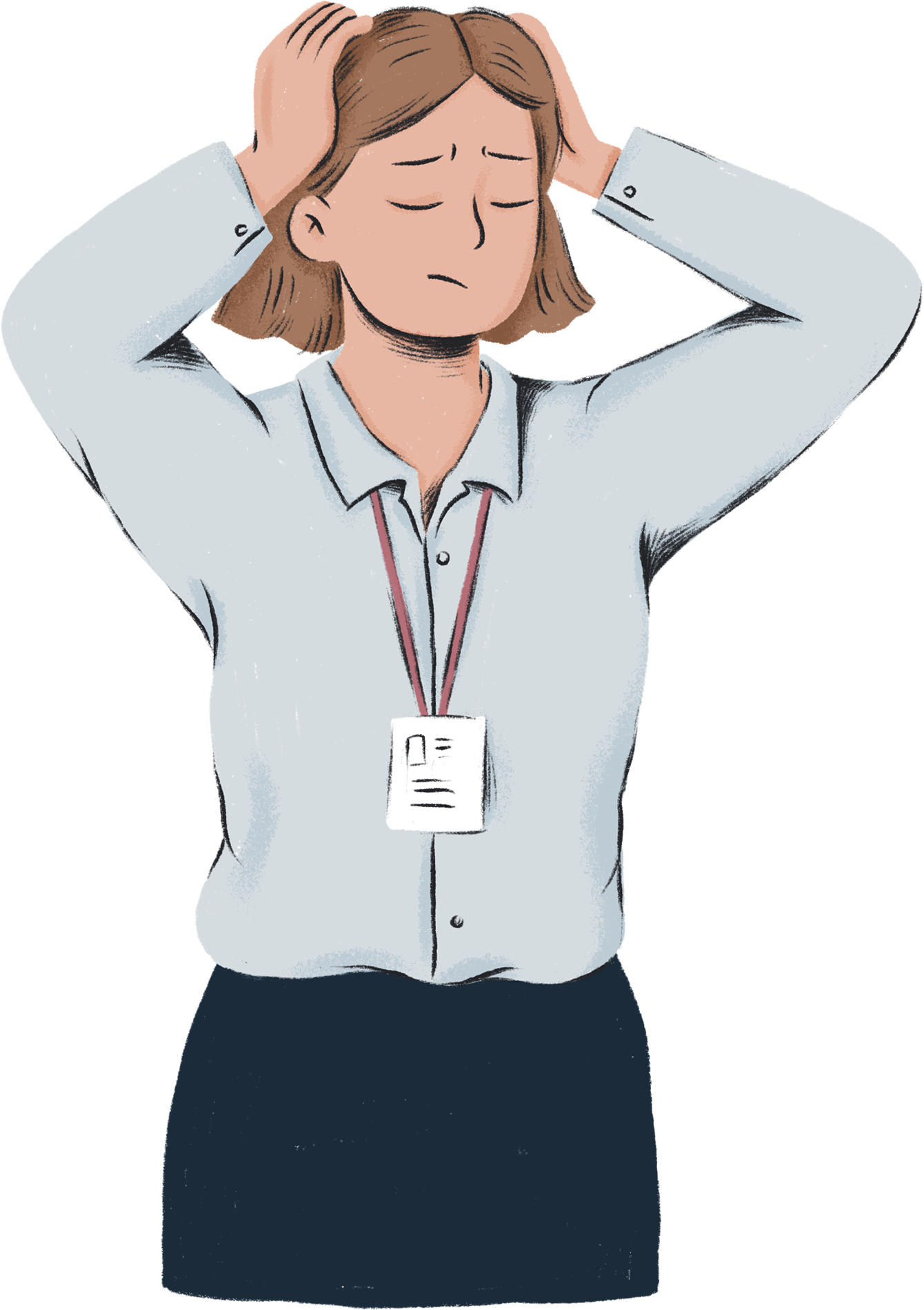
Burnout is a state of physical and emotional exhaustion caused by long-term work stress that has not been managed. The World Health Organization describes it as an occupational phenomenon with three parts: exhaustion, feeling mentally distant or cynical about your job, and a drop in your sense of effectiveness. It builds slowly, so many people do not notice it until rest no longer helps. Recovery usually needs more than a vacation. It means changing what is draining you, rebuilding energy and, often, getting support.
Key takeaways
- Burnout has three core signs: exhaustion, cynicism or detachment, and reduced effectiveness.
- It comes from long-term work stress, not personal weakness.
- Burnout and depression overlap but are not the same. If low mood spreads to all of life, get assessed.
- People in caring roles can also experience compassion fatigue and moral distress.
- Recovery involves rest, boundaries, changes at work and sometimes counselling.
Signs of burnout at work
Exhaustion
- Waking up tired no matter how much you sleep
- Dreading Monday by Saturday afternoon
- Getting sick more often, with headaches, stomach problems or tense muscles
Cynicism and detachment
- Feeling numb, irritable or resentful about work and the people in it
- Doing the minimum, or going through the motions
- Pulling away from colleagues you used to enjoy
Reduced effectiveness
- Struggling to concentrate or make decisions
- More mistakes, procrastination and unfinished tasks
- Feeling like nothing you do makes a difference
Burnout also spills into home life: shorter temper with family, losing interest in hobbies, or relying more on alcohol, food or scrolling to switch off.
What causes burnout?
Burnout is mostly about the fit between a person and their work. Common drivers include:
- Workload: too much work for too long, with no recovery time
- Lack of control: little say over how, when or what you do
- Low reward: effort that is not recognized, fairly paid or appreciated
- Poor community: conflict, isolation or a lack of support at work
- Unfairness: inconsistent decisions or favouritism
- Values conflict: being asked to work in ways that clash with what you believe is right
Personal factors matter too. Perfectionism, difficulty saying no, caregiving at home and financial pressure can all speed burnout up. Many newcomers to Canada also work long hours in jobs below their training while supporting family here and back home, which adds to the load.
Burnout or depression?
They share exhaustion, low motivation and poor concentration. A rough way to tell them apart:
- Burnout is mostly tied to work. Weekends and holidays may bring some relief, and you can still enjoy other parts of life.
- Depression tends to affect everything. Low mood, loss of interest, guilt and hopelessness show up at home, on holidays and with people you love.
Untreated burnout can lead into depression or anxiety. If low mood lasts more than two weeks, affects most areas of life or includes thoughts of not wanting to be here, speak with your doctor or a counsellor. Our depression therapy page explains what support looks like.
Compassion fatigue and moral distress in helping roles
Nurses, physicians, social workers, first responders, teachers, personal support workers and family caregivers face extra risks.
- Compassion fatigue is emotional exhaustion from repeatedly caring for people who are suffering. You may feel numb, dread certain clients or patients, or notice your empathy wearing thin.
- Secondary or vicarious trauma happens when hearing about or witnessing others’ trauma starts to affect you, through intrusive images, hypervigilance or poor sleep.
- Moral distress is the pain of knowing the right thing to do but being unable to do it, for example because of staffing, policy or time limits.
These are signs of the work’s emotional load, not signs that you are bad at your job. Regular supervision, peer support and counselling help. Social workers seeking clinical supervision can learn more about clinical supervision at Disha.
How to recover from burnout
- Name it. Saying “I am burned out” is often the first step toward taking it seriously.
- Protect the basics. Sleep, regular meals, movement and daylight are not luxuries. They are the foundation of recovery.
- Create real breaks. Short breaks during the day, a firm end time and time off where you truly disconnect.
- Reduce the load. List what drains you most. What can you delegate, postpone, drop or ask for help with?
- Talk to your workplace. Ask about workload, flexible hours or a temporary change. Many employers offer an Employee and Family Assistance Program (EFAP).
- Reconnect with meaning. Spend time on people and activities that have nothing to do with productivity.
- Get support. Counselling helps you untangle what is driving burnout, set boundaries without guilt and plan next steps, whether that is changing how you work or changing jobs.
If you need time off, your family doctor can assess you and support a medical leave if appropriate.
How counselling helps with burnout
- CBT helps you notice perfectionist or all-or-nothing thinking and practise more realistic expectations.
- Stress management therapy builds practical tools for pressure and overload.
- Mindfulness-based counselling helps your nervous system come down from constant high alert.
- Sleep therapy addresses insomnia, which both causes and follows burnout.
Talk to a Registered Clinical Social Worker
Running on empty? Talk to a Registered Clinical Social Worker about burnout, in person in Edmonton or online anywhere in Alberta.
Frequently asked questions
Is burnout a medical diagnosis?
The World Health Organization classifies burnout as an occupational phenomenon, not a medical condition. It is still real and serious, and it can lead to depression, anxiety and physical health problems.
How long does it take to recover from burnout?
It varies. Mild burnout may improve within weeks once the causes are addressed. Severe burnout can take several months, especially if work conditions do not change.
Can I recover from burnout without quitting my job?
Often, yes. Changes to workload, boundaries and recovery habits can make a big difference. Sometimes a role change or new job is the healthiest option, and counselling can help you decide.
Does insurance cover counselling for burnout?
Many extended health plans and EFAPs cover counselling with a Registered Clinical Social Worker. Check your plan for coverage.
What if I feel hopeless or unsafe?
Counselling is not an emergency service. If you are thinking about suicide or are in crisis, call or text 9-8-8 any time, or call 911.
Disha Counselling & Wellness Centre is at 3818A 97 St NW #203, Edmonton, AB T6E 6N2, and offers online counselling across Alberta. Find us on Psychology Today and eMentalHealth.ca, watch short videos on YouTube and TikTok, or follow us on Instagram, LinkedIn and Facebook.
Reviewed by Mukesh Mishra, MSW, RCSW, Registered Clinical Social Worker and ACSW-approved RCSW supervisor at Disha Counselling & Wellness Centre. Last updated October 1, 2026. This article is general information and is not a substitute for individual professional advice.
Ready to talk to someone?
If what you've just read sounds familiar, we are here to help. Explore Our Counselling Services or book a free 15-minute consultation with Disha Counselling & Wellness Centre.
Book a Consultation
It’s easy and free!

Mukesh Mishra, MSW, RCSW
Mukesh Mishra, MSW, RCSW, is a Registered Clinical Social Worker in Alberta at Disha Counselling & Wellness Centre in Edmonton. He provides trauma-informed, culturally responsive counselling in English, Hindi, Nepali, Punjabi and Urdu, using CBT, EMDR, DBT and the Gottman Method, and is an ACSW-approved RCSW supervisor for social workers.