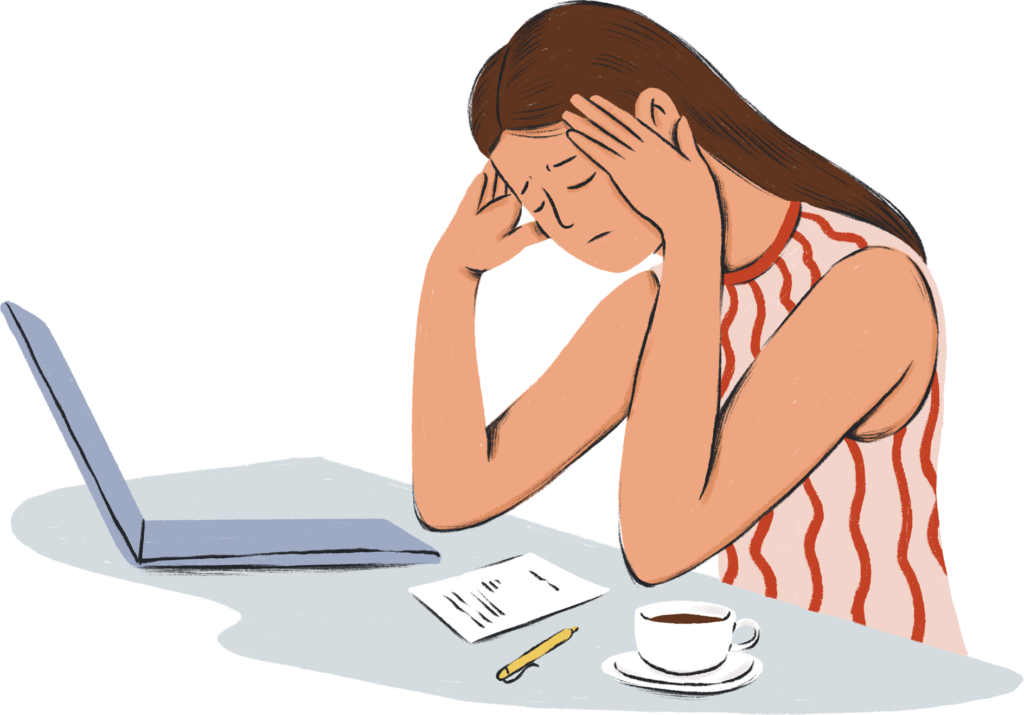
Sudden anxiety, irritability, low mood or brain fog in your 40s may be linked to perimenopause. Learn what is happening, practical ways to cope and when to get support.

You used to handle stress well. Now small things make you snap, you wake at 3 a.m. with your heart racing and you walk into rooms forgetting why. Some days you feel low for no clear reason. You wonder if you are burning out, depressed or “losing it”.
For many women and people who menstruate, these changes in their 40s, and sometimes late 30s, are linked to perimenopause. It is a natural life stage, but it can have a significant effect on mental health. This article explains what is happening and how to cope.
Key takeaways
- Perimenopause is the transition before menopause, often starting in the 40s and lasting several years.
- Changing hormone levels can affect mood, anxiety, sleep, concentration and irritability.
- People with a history of depression, postpartum depression or premenstrual mood changes may be more vulnerable.
- Sleep, movement, stress management, support and medical care all help.
- Talk to your doctor about physical symptoms and treatment options, and consider counselling for emotional support.
What perimenopause is
Perimenopause is the transition leading up to menopause. Menopause is defined as 12 months in a row without a menstrual period, and in Canada the average age is around 51. Perimenopause can start several years earlier, often in the 40s, as hormone levels such as estrogen and progesterone begin to fluctuate.
Common physical signs include:
- Irregular periods, heavier or lighter bleeding
- Hot flashes and night sweats
- Sleep problems
- Vaginal dryness and changes in libido
- Joint aches, headaches and fatigue
Because these changes happen gradually and vary from person to person, many people do not connect emotional symptoms with perimenopause.
How perimenopause can affect mental health
| Symptom | How it may show up |
|---|---|
| Mood changes | Feeling low, tearful or flat, sometimes without an obvious reason |
| Anxiety | New or worsening worry, panic, racing heart, feeling on edge |
| Irritability | Snapping at family or colleagues, feeling quick to anger |
| Sleep disruption | Night sweats, waking early, trouble falling back asleep |
| Brain fog | Trouble concentrating, forgetfulness, losing words |
| Low confidence | Feeling less capable at work or in relationships |
Fluctuating hormones affect brain chemicals involved in mood and stress. Poor sleep from night sweats can make everything harder. And midlife often brings other stresses at the same time.
Midlife pressures that add up
Perimenopause often coincides with:
- Caring for children or teens and aging parents at the same time. Our article on caregiver burnout covers this “sandwich generation” pressure.
- Career demands or changes
- Relationship shifts, including separation or children leaving home
- Body image changes
- Grief and health concerns in family or friends
It can be hard to tell which symptoms come from hormones and which from life stress. Often, it is both.
Who may be more vulnerable
Some people are more likely to experience significant mood symptoms during perimenopause, including those with:
- A history of depression or anxiety
- Postpartum depression in the past
- Strong premenstrual mood changes (PMS or PMDD)
- High stress or limited support
- Sleep disruption from night sweats
If you have a history of depression, it is worth watching for early signs and getting support sooner. Our article on signs of depression explains what to look for.
Ways to cope
- Track your symptoms. Note mood, sleep, periods and hot flashes for a few months. Patterns can help you and your doctor.
- Protect your sleep. Keep your bedroom cool, use layers, limit alcohol and caffeine, and keep a regular schedule. Our article on insomnia and mental health has more tips.
- Move regularly. Physical activity can lift mood, reduce stress and support sleep.
- Practise stress management. Breathing, mindfulness and short breaks during the day help regulate the nervous system.
- Reduce alcohol. It can worsen hot flashes, sleep and mood.
- Talk about it. Share what you are experiencing with your partner, friends or colleagues.
- Be kind to yourself. You are navigating a big transition, often while carrying a lot.
Talking to your doctor
A family doctor or women’s health clinic can assess symptoms and discuss options, which may include hormone therapy, non-hormonal medications or other approaches, depending on your health history. Bring your symptom notes and be clear about how symptoms affect your mood and daily life. You deserve to be taken seriously.
If low mood becomes severe or you have thoughts of suicide, call or text 9-8-8, or call 911. Mood changes in perimenopause can be serious and deserve care.
Example: Neelam, 47, a nurse in Edmonton, started having panic attacks at work and waking drenched in sweat most nights. She felt short-tempered with her teenagers and worried she was depressed. Her doctor confirmed perimenopause and discussed treatment options. In counselling, Neelam learned techniques for panic, talked through the pressure of caring for her mother and set boundaries at work. Within a few months, she felt more like herself.
How counselling helps
Counselling can help you:
- Make sense of mood changes and reduce self-blame
- Manage anxiety, panic and irritability with practical tools
- Address sleep problems with CBT-based strategies
- Work through midlife transitions and identity changes
- Improve communication with your partner and family
At Disha, we offer anxiety therapy, depression therapy and stress management therapy, in person in South Edmonton or online anywhere in Alberta, in English, Hindi, Nepali, Punjabi or Urdu. Many women from South Asian and newcomer communities tell us these topics are rarely discussed at home. Counselling offers a private, respectful place to talk.
Support through midlife changes
Book a confidential session with Disha in person or online across Alberta.
Frequently asked questions
Can perimenopause cause anxiety?
Yes. Fluctuating hormones can contribute to new or worsening anxiety, including panic attacks, racing heart and feeling on edge.
At what age does perimenopause start?
Perimenopause often begins in the 40s, though it can start earlier for some people. It can last several years before menopause.
Is perimenopause depression different from regular depression?
Symptoms can be similar. Hormonal changes, sleep disruption and midlife stress may all play a role. A doctor and counsellor can help you understand what is going on.
What can help perimenopause mood swings?
Sleep, movement, stress management, reducing alcohol, support and medical treatment options can all help. Talk to your doctor about what fits your health history.
Should I see a doctor or a counsellor?
Both can help. A doctor can assess physical symptoms and treatment options, while counselling supports mood, anxiety, sleep and life changes.
Can counselling help with brain fog?
Counselling cannot change hormones, but it can help with stress, sleep and coping strategies that may ease brain fog and its impact on daily life.
Disha Counselling & Wellness Centre is at 3818A 97 St NW #203, Edmonton, AB T6E 6N2, and offers online counselling across Alberta. Find us on Psychology Today and eMentalHealth.ca, watch short videos on YouTube and TikTok, or follow us on Instagram, LinkedIn, Facebook and Pinterest.
Reviewed by Mukesh Mishra, MSW, RCSW, Registered Clinical Social Worker and ACSW-approved RCSW supervisor at Disha Counselling & Wellness Centre. This article is general information and is not a substitute for individual professional advice. Counselling is not an emergency service: if you are in crisis, call or text 9-8-8 or call 911.
Ready to talk to someone?
If what you've just read sounds familiar, we are here to help. Explore Anxiety Therapy in Edmonton or book a free 15-minute consultation with Disha Counselling & Wellness Centre.
Book a Consultation
It’s easy and free!

Mukesh Mishra, MSW, RCSW
Mukesh Mishra, MSW, RCSW, is a Registered Clinical Social Worker in Alberta at Disha Counselling & Wellness Centre in Edmonton. He provides trauma-informed, culturally responsive counselling in English, Hindi, Nepali, Punjabi and Urdu, using CBT, EMDR, DBT and the Gottman Method, and is an ACSW-approved RCSW supervisor for social workers.