Many adults first recognize ADHD in themselves in their 20s, 30s or later. Here are the common signs, how screening works in Alberta and what happens next.
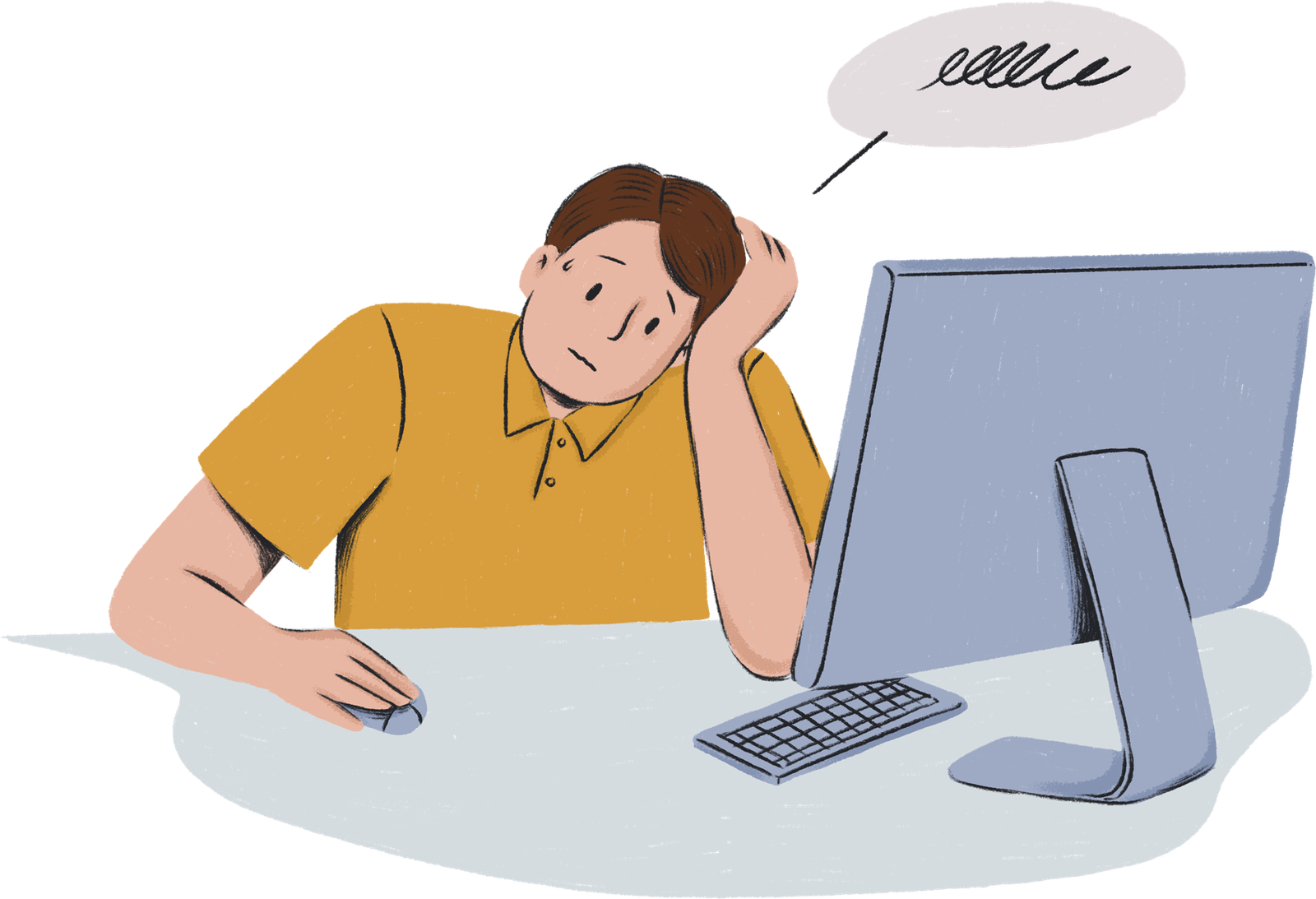
Many adults start wondering about ADHD after years of struggling with focus, organization or restlessness, often after a child is diagnosed or after reading about it online. An adult ADHD screening is a structured first step. It uses validated questionnaires and an interview to show whether ADHD is likely and whether a full diagnostic assessment makes sense. Screening does not diagnose ADHD on its own. A formal diagnosis and any medication come from a physician, psychiatrist or psychologist.
Key takeaways
- ADHD often continues into adulthood, but it can look different than it does in children.
- Many adults, especially women, are not recognized until later in life.
- Screening tells you whether ADHD is likely. Diagnosis is a separate, more detailed process.
- Anxiety, depression, sleep problems and trauma can look like ADHD, so a careful assessment matters.
- Whatever the result, practical strategies and counselling can help right away.
What ADHD can look like in adults
In adults, hyperactivity is often less obvious. It can show up as inner restlessness rather than running around. Common experiences include:
- Attention: losing focus in meetings or conversations, drifting during reading, starting many tasks and finishing few.
- Organization: missed deadlines, lost keys and phones, piles of unopened mail, difficulty planning a project.
- Time: chronic lateness, underestimating how long things take, “time blindness.”
- Impulsivity: interrupting, impulsive spending or decisions, saying things before thinking.
- Restlessness: fidgeting, difficulty relaxing, needing to stay busy.
- Emotions: quick frustration, feeling overwhelmed, and low self-esteem after years of being called lazy or careless.
Everyone has some of these some of the time. What matters is how often they happen, how long they have been present, usually since childhood, and how much they affect work, study, money or relationships.
Why ADHD is often missed until adulthood
- Inattentive presentations are quieter. Daydreaming children who are not disruptive are easy to overlook.
- Girls and women are often under-recognized. They may mask difficulties, work twice as hard or be seen as anxious instead.
- Structure hides symptoms. School routines or supportive parents can keep things together until adult life removes that scaffolding.
- Culture and stigma. In some families, struggles with focus are framed as discipline or effort problems rather than something to assess.
Screening vs diagnosis: what is the difference?
- Screening asks: is ADHD likely enough to look into further? It usually includes validated rating scales, such as the World Health Organization’s Adult ADHD Self-Report Scale (ASRS), and a clinical interview. It is shorter and less expensive.
- Diagnosis asks: does this person meet the criteria for ADHD, and what else might be going on? It involves a detailed developmental history, often input from family, and ruling out other explanations. In Alberta, diagnosis is made by a physician, psychiatrist or psychologist.
Screening helps you avoid a long wait or a costly assessment if ADHD is unlikely, and gives you useful information to bring to your doctor if it is.
What happens during an adult ADHD screening
- Initial conversation. What you are noticing, why now and what you hope to learn.
- History. School and work history, childhood behaviour, health, sleep, substance use and family history.
- Rating scales. Standardized questionnaires you complete, sometimes with input from a partner or family member who knows you well.
- Results and recommendations. A summary of what the results suggest, practical strategies and next steps, including a referral for diagnosis if indicated.
At Disha, ADHD screening in Edmonton is available in person or online across Alberta.
Conditions that can look like ADHD
Part of a good assessment is checking for other explanations, or for conditions that occur alongside ADHD:
- Anxiety, which can make it hard to concentrate
- Depression, which affects motivation, memory and energy
- Sleep problems, including sleep apnea and insomnia
- Trauma and chronic stress, which keep the brain on high alert
- Thyroid problems, some medications and substance use
This is one reason online quizzes are not enough. They cannot tell the difference between ADHD and something that looks like it.
What comes next after screening
- If ADHD looks likely: you can take the results to your family doctor, who may diagnose, start treatment or refer you to a psychiatrist or psychologist.
- If ADHD looks unlikely: the screening often points to what is driving the difficulty, such as anxiety, burnout or poor sleep, which can then be addressed directly.
- Either way: skills-based support helps. ADHD therapy and CBT can help with planning, time management, emotional regulation and the self-criticism many adults carry.
Practical strategies you can start now
- Write everything down in one place, not on scattered notes.
- Break tasks into the very next physical step.
- Use timers and visual reminders, not just willpower.
- Put keys, wallet and phone in the same spot every time.
- Protect sleep. Tired brains look a lot like ADHD brains.
Talk to a Registered Clinical Social Worker
Curious whether ADHD explains what you have been struggling with? Book an adult ADHD screening in Edmonton or online.
Frequently asked questions
Can adults be screened for ADHD?
Yes. Screening is designed for adults, teens and children. For adults, it often includes questions about childhood as well as current challenges.
Is ADHD screening the same as a diagnosis?
No. Screening shows whether ADHD is likely. A formal diagnosis, and any medication, is provided by a physician, psychiatrist or psychologist.
How long does an adult ADHD screening take?
Most screenings take one or two appointments, including the interview, questionnaires and a feedback conversation.
Is ADHD screening covered by insurance?
Some extended health plans cover assessment services by a Registered Clinical Social Worker. Check your plan, and ask us about receipts and direct billing.
Can I just take an online ADHD test?
Online quizzes can prompt useful questions, but they cannot rule out anxiety, depression, sleep problems or trauma, which can look similar. A professional screening is more reliable.
Disha Counselling & Wellness Centre is at 3818A 97 St NW #203, Edmonton, AB T6E 6N2, and offers online counselling across Alberta. Find us on Psychology Today and eMentalHealth.ca, watch short videos on YouTube and TikTok, or follow us on Instagram, LinkedIn and Facebook.
Reviewed by Mukesh Mishra, MSW, RCSW, Registered Clinical Social Worker and ACSW-approved RCSW supervisor at Disha Counselling & Wellness Centre. Last updated October 1, 2026. This article is general information and is not a substitute for individual professional advice.
Ready to talk to someone?
If what you've just read sounds familiar, we are here to help. Explore Our Counselling Services or book a free 15-minute consultation with Disha Counselling & Wellness Centre.
Book a Consultation
It’s easy and free!

Mukesh Mishra, MSW, RCSW
Mukesh Mishra, MSW, RCSW, is a Registered Clinical Social Worker in Alberta at Disha Counselling & Wellness Centre in Edmonton. He provides trauma-informed, culturally responsive counselling in English, Hindi, Nepali, Punjabi and Urdu, using CBT, EMDR, DBT and the Gottman Method, and is an ACSW-approved RCSW supervisor for social workers.