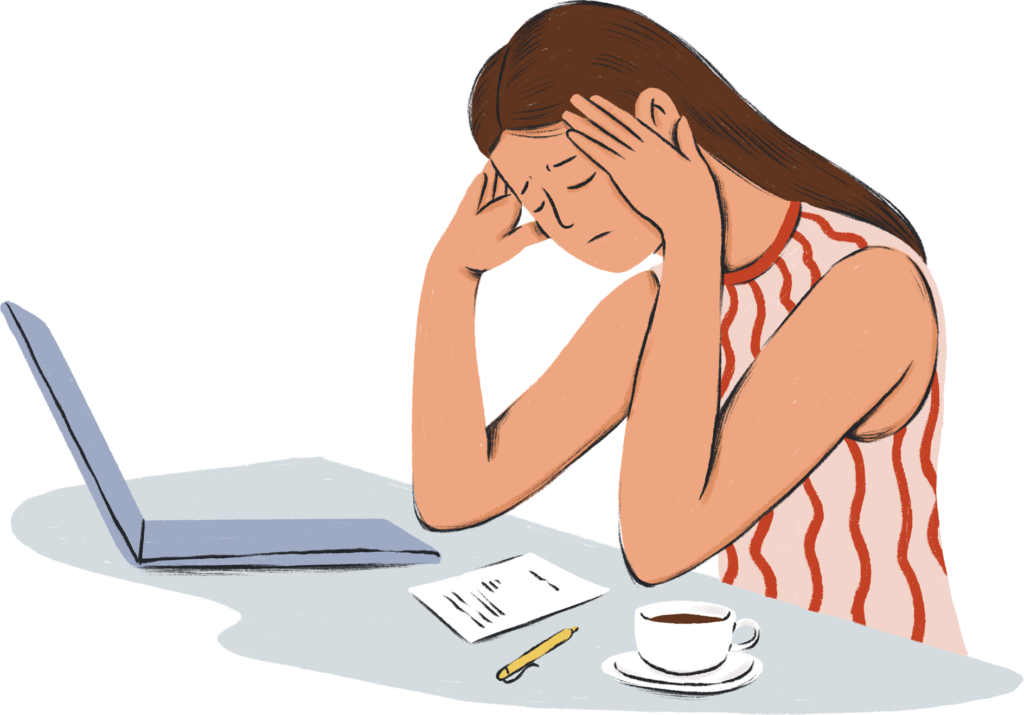
Abuse is not always physical. Coercive control is a pattern of behaviours used to dominate and isolate a partner. Learn the signs, the effects and where to get help in Alberta.

There may be no bruises. From the outside, the relationship might look fine. But inside it, you check your phone in case they are tracking you, ask permission to see friends, account for every dollar and constantly adjust your behaviour to avoid their anger. Over time, you start to feel like you are disappearing.
This pattern has a name: coercive control. It is a form of abuse that can be as harmful as physical violence, and it is often missed because it is less visible. This article explains what coercive control is, how to recognize it and where to get help in Alberta.
Key takeaways
- Coercive control is a pattern of behaviours used to dominate, isolate and control a partner or family member.
- It can include monitoring, isolation, threats, financial control, humiliation and controlling everyday activities.
- It often happens without physical violence, but it can be a risk factor for physical harm.
- Canada’s federal Divorce Act recognizes coercive and controlling behaviour as a form of family violence.
- Support is available. In Alberta, call the Family Violence Info Line at 310-1818, and call 911 in an emergency.
What coercive control is
Coercive control describes a pattern, not a single incident. Over time, one person uses a combination of behaviours to gain power over another person, limit their freedom and make them feel dependent and afraid.
It can happen in dating relationships, marriages and families, and to people of any gender, sexual orientation, culture or background. It is often gradual, so the person experiencing it may not notice how much their life has narrowed.
Warning signs
| Area | Examples |
|---|---|
| Isolation | Discouraging or preventing contact with friends and family, moving you away from support |
| Monitoring | Checking your phone, tracking your location, demanding to know where you are at all times |
| Financial control | Controlling all money, preventing you from working, taking your income, running up debt in your name |
| Controlling daily life | Deciding what you wear, eat, who you see, when you sleep |
| Threats and intimidation | Threatening to hurt you, themselves, children or pets, or to report your immigration status |
| Humiliation | Name-calling, put-downs, embarrassing you in public or online |
| Jealousy and accusations | Constant accusations of cheating, treating normal behaviour as betrayal |
| Rules and punishment | Making rules and punishing you for “breaking” them, including silent treatment |
| Using children | Threatening to take children, undermining your parenting |
| Sexual coercion | Pressuring or forcing sexual activity |
You may also notice that you feel constantly on edge, walk on eggshells, doubt your memory or judgment, or feel you cannot make decisions without their approval.
How coercive control affects people
The effects can be serious and long-lasting:
- Anxiety, fear and hypervigilance
- Depression and hopelessness
- Low self-esteem and self-doubt
- Isolation and loneliness
- Trauma symptoms such as flashbacks and nightmares
- Physical health problems linked to chronic stress
Many people describe feeling confused, because there may be no single incident that seems “bad enough” to call abuse. Our article on coping after a traumatic event explains common trauma reactions.
Culture, immigration and coercive control
Coercive control can be harder to recognize or escape when:
- A partner controls immigration documents or sponsorship status
- Language barriers limit access to help
- Family or community pressure discourages leaving or speaking out
- Shame or stigma around divorce is strong
Your safety matters regardless of immigration status. Support services can help you understand your options. Disha offers counselling in English, Hindi, Nepali, Punjabi and Urdu, which can make it easier to talk. Our article on South Asian family therapy discusses family dynamics, and our South Asian men’s domestic violence prevention group supports men working to change harmful behaviour.
If you are in immediate danger, call 911. If your partner monitors your phone or computer, consider using a safer device, such as a friend’s phone or a library computer, to seek information and support.
Safety planning
A safety plan is a personalized plan to stay safer, whether you are staying, preparing to leave or have already left. It might include:
- Identifying safe people you can contact
- Keeping important documents, medications and some money in a safe place
- Planning where you could go in an emergency
- Agreeing on a code word with a trusted friend or family member
- Knowing emergency numbers and shelter contacts
- Thinking about children’s safety
Leaving can be a particularly dangerous time. Family violence workers and shelters can help you plan safely.
Example: Over three years, Maya’s husband began checking her phone, controlling their bank account and criticizing her friends until she stopped seeing them. He never hit her, so she did not think it was abuse. When she started counselling for anxiety, her counsellor gently named the pattern as coercive control. Maya called the Family Violence Info Line, made a safety plan and slowly reconnected with her sister. Naming what was happening helped her trust her own experience again.
Where to get help in Alberta
- 911 for emergencies
- Family Violence Info Line: 310-1818, toll-free in Alberta, 24/7, with support in more than 170 languages
- 9-8-8 Suicide Crisis Helpline, call or text
- Access 24/7 (Edmonton): 780-424-2424 for urgent mental health and addiction support
- Hope for Wellness Help Line: 1-855-242-3310 for Indigenous peoples
- 211 Alberta to find shelters, legal supports and community services
How counselling helps
Counselling can help you make sense of what you have experienced, rebuild confidence, manage anxiety and trauma symptoms, and plan next steps at your own pace. It can also support people who recognize controlling behaviour in themselves and want to change.
At Disha, counselling is confidential and non-judgmental, in person in South Edmonton or online anywhere in Alberta. If online sessions at home are not safe, we can discuss safer options. Learn more about our trauma therapy, individual counselling and separation counselling. Counselling is not an emergency service. If you are in danger, call 911.
Talk to someone safely
Book a confidential session in person or online, in English, Hindi, Nepali, Punjabi or Urdu.
Frequently asked questions
Is coercive control abuse even without physical violence?
Yes. Coercive control is a recognized form of abuse that can cause serious harm without physical violence, and it can be a risk factor for physical harm.
Is coercive control recognized in Canadian law?
Canada’s federal Divorce Act recognizes coercive and controlling behaviour as a form of family violence. Laws continue to evolve, so seek legal advice for your situation.
Can men experience coercive control?
Yes. People of any gender can experience coercive control, in any type of relationship.
What if my partner controls my immigration status?
Threats about immigration status are a common control tactic. Support services can help you understand your rights and options. Call the Family Violence Info Line at 310-1818.
Is it safe to do online counselling at home?
If your partner monitors you, online sessions at home may not be safe. Talk with your counsellor about in-person sessions or other safer options.
Can counselling help someone who uses controlling behaviour?
Yes. People who recognize controlling behaviour in themselves can work with a counsellor to understand it and change.
Disha Counselling & Wellness Centre is at 3818A 97 St NW #203, Edmonton, AB T6E 6N2, and offers online counselling across Alberta. Find us on Psychology Today and eMentalHealth.ca, watch short videos on YouTube and TikTok, or follow us on Instagram, LinkedIn, Facebook and Pinterest.
Reviewed by Mukesh Mishra, MSW, RCSW, Registered Clinical Social Worker and ACSW-approved RCSW supervisor at Disha Counselling & Wellness Centre. This article is general information and is not a substitute for individual professional advice. Counselling is not an emergency service: if you are in crisis, call or text 9-8-8 or call 911.
Ready to talk to someone?
If what you've just read sounds familiar, we are here to help. Explore Our Counselling Services or book a free 15-minute consultation with Disha Counselling & Wellness Centre.
Book a Consultation
It’s easy and free!

Mukesh Mishra, MSW, RCSW
Mukesh Mishra, MSW, RCSW, is a Registered Clinical Social Worker in Alberta at Disha Counselling & Wellness Centre in Edmonton. He provides trauma-informed, culturally responsive counselling in English, Hindi, Nepali, Punjabi and Urdu, using CBT, EMDR, DBT and the Gottman Method, and is an ACSW-approved RCSW supervisor for social workers.