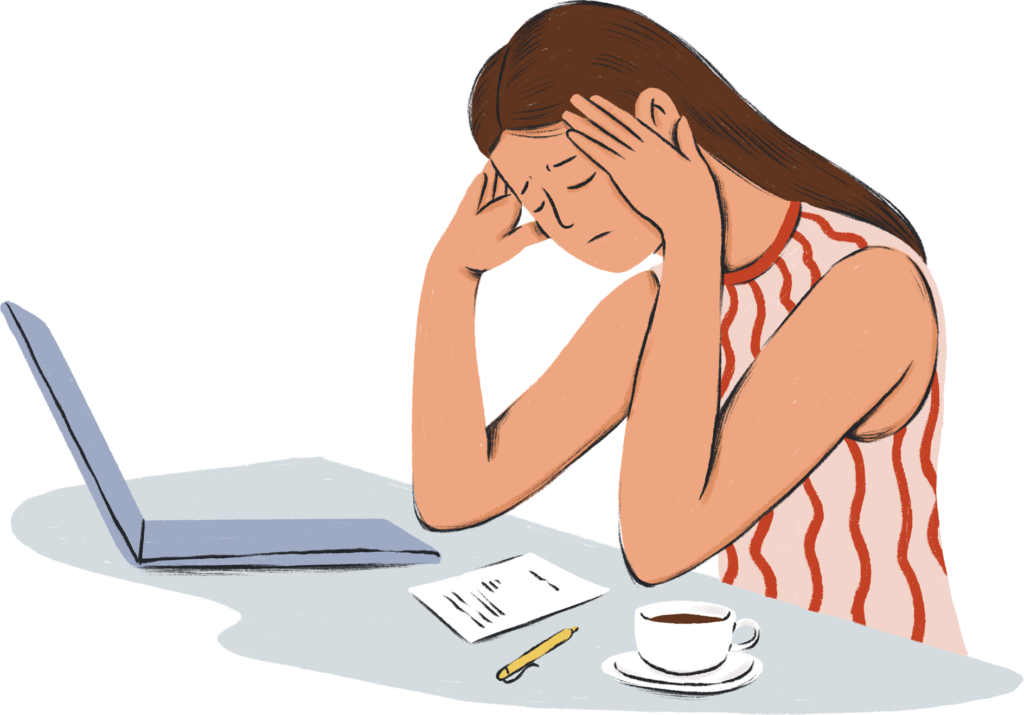
Racism and discrimination are not just unpleasant. They can affect sleep, mood, health and sense of belonging. Learn how to name the impact, cope and find support.
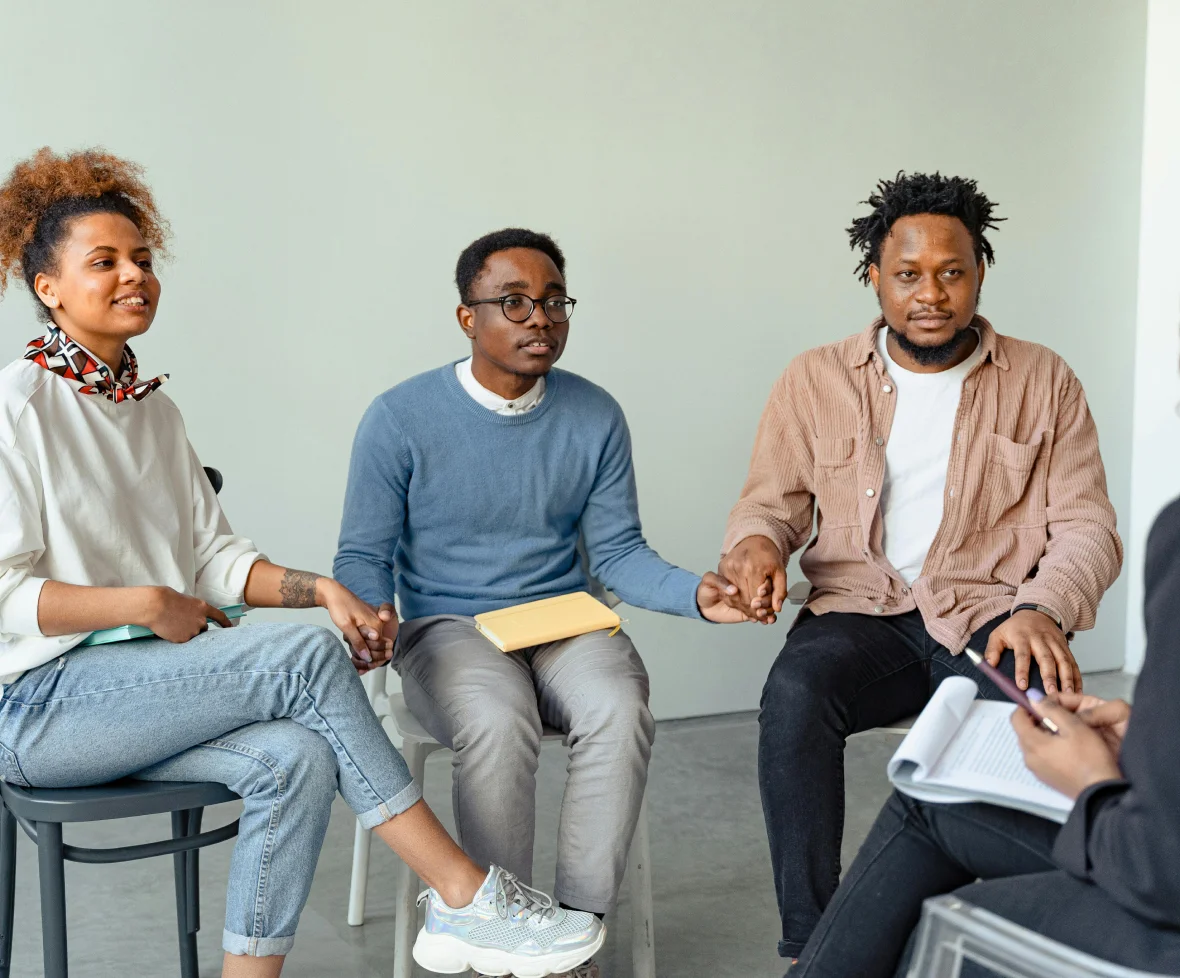
A coworker repeatedly mispronounces your name and laughs about it. A store clerk follows you around. You are passed over for a promotion despite strong reviews. Someone tells you to “go back where you came from.” Each incident might be brushed off by others as small, but together they add up.
Racism and discrimination are not only social or political issues. They have real effects on mental and physical health. This article explores how discrimination affects wellbeing, ways to cope and where to find support in Alberta.
Key takeaways
- Experiences of racism and discrimination are linked to stress, anxiety, depression, sleep problems and physical health effects.
- Harm can come from overt incidents, repeated microaggressions and systemic barriers.
- Racial stress can build over time and across generations.
- Coping strategies include naming the experience, connecting with community, setting boundaries and seeking support.
- In Alberta, the Alberta Human Rights Commission handles complaints about discrimination in areas such as employment, housing and services.
How discrimination affects mental health
Research in Canada and internationally has linked experiences of racism and discrimination with:
- Anxiety and hypervigilance
- Depression and hopelessness
- Sleep problems
- Lower self-esteem
- Anger and frustration
- Physical health effects related to chronic stress
The impact can be especially heavy when discrimination is repeated, comes from people with power over you, or is dismissed when you raise it.
Forms racism and discrimination can take
| Form | Examples |
|---|---|
| Overt racism | Slurs, threats, harassment, violence |
| Microaggressions | “Where are you really from?”, “You speak English so well”, mispronouncing names after correction |
| Workplace discrimination | Being overlooked for promotions, unequal treatment, stereotyping |
| Systemic racism | Barriers in housing, health care, education, policing or credential recognition |
| Internalized racism | Absorbing negative messages about your own group |
Discrimination can also be based on religion, gender identity, sexual orientation, disability, age or immigration status, and these can overlap.
Racial trauma and stress
Some people describe the cumulative effect of racism as racial trauma or race-based traumatic stress. It can look similar to other trauma responses:
- Replaying incidents and feeling on guard
- Avoiding places or people
- Feeling unsafe or not belonging
- Strong emotional or physical reactions to reminders
These reactions can be triggered by personal experiences, witnessing racism against others or seeing it in the news. For Indigenous peoples, the effects of colonization and residential schools add another layer. Our article on intergenerational trauma explores how trauma can pass across generations.
Newcomers and discrimination
Newcomers may face discrimination related to accents, names, religion, dress or foreign credentials, alongside the stress of settling in a new country. They may also feel pressure not to complain, for fear of losing jobs or opportunities. Our newcomer mental health guide covers settlement stress in more depth.
Ways to cope
- Name it. Saying “That was racist” or “That was discriminatory,” even privately, can help you make sense of the experience.
- Validate your reaction. Your feelings are a normal response to unfair treatment.
- Connect with community. Spending time with people who share or understand your experiences can be healing.
- Set boundaries. You do not have to educate everyone or respond to every comment.
- Document incidents. Note dates, times, what happened and any witnesses, especially at work.
- Limit exposure to distressing news or social media when needed.
- Engage in what matters. Culture, faith, creativity and advocacy can be sources of strength.
- Look after your body. Sleep, movement and rest help manage chronic stress.
Example: Fatima, a Muslim woman working in Edmonton, faced repeated comments from a colleague about her hijab and “fitting in.” She started dreading work, had trouble sleeping and felt anxious in meetings. Her manager dismissed it as a joke. In counselling, Fatima named the experience as discrimination, documented incidents and explored her options, including speaking to HR and learning about the Alberta Human Rights Commission. She also reconnected with her community, which helped her feel less alone.
Your rights in Alberta
The Alberta Human Rights Act protects people from discrimination based on grounds such as race, religious beliefs, colour, gender, gender identity, ancestry, place of origin and others, in areas including employment, housing and services available to the public. The Alberta Human Rights Commission provides information and accepts complaints within set time limits. For workplace issues, you may also speak with HR, your union or an employment lawyer.
If you experience a hate-motivated crime, such as threats or violence, contact the police. In an emergency, call 911.
Supporting others
If someone shares an experience of racism with you:
- Listen and believe them
- Avoid minimizing (“Maybe they didn’t mean it”)
- Ask what support they want
- Speak up when you witness discrimination, if safe to do so
Managers can read our guide on supporting employee mental health for workplace strategies.
Culturally responsive counselling
Counselling can help you process experiences of discrimination, manage stress and anxiety, and strengthen your sense of identity and belonging. Culturally responsive counselling means your culture, language, faith and lived experience are understood and respected.
At Disha, counselling is available in English, Hindi, Nepali, Punjabi and Urdu, in person in South Edmonton or online anywhere in Alberta. We also offer immigrant and newcomer counselling, Indigenous counselling and South Asian counselling. Eligible First Nations and Inuit clients can access counselling through NIHB, and eligible refugee claimants through IFHP, with direct billing.
The Hope for Wellness Help Line (1-855-242-3310) offers 24/7 support for Indigenous peoples. In a crisis, call or text 9-8-8 or call 911.
Be heard and understood
Book a culturally responsive counselling session in person or online, in your preferred language.
Frequently asked questions
Can racism affect mental health?
Yes. Experiences of racism and discrimination are linked to anxiety, depression, sleep problems, lower self-esteem and chronic stress.
What are microaggressions?
Microaggressions are everyday comments or actions, often subtle, that communicate negative or stereotyped messages about someone’s identity.
What is racial trauma?
Racial trauma, or race-based traumatic stress, describes the emotional and physical effects of experiencing or witnessing racism, which can resemble other trauma responses.
Where can I report discrimination in Alberta?
The Alberta Human Rights Commission handles complaints about discrimination in areas such as employment, housing and services. For crimes, contact the police.
Can counselling help with experiences of discrimination?
Yes. Counselling can help you process experiences, manage stress, strengthen identity and explore options for action.
Can I see a counsellor who speaks my language?
Disha offers counselling in English, Hindi, Nepali, Punjabi and Urdu.
Disha Counselling & Wellness Centre is at 3818A 97 St NW #203, Edmonton, AB T6E 6N2, and offers online counselling across Alberta. Find us on Psychology Today and eMentalHealth.ca, watch short videos on YouTube and TikTok, or follow us on Instagram, LinkedIn, Facebook and Pinterest.
Reviewed by Mukesh Mishra, MSW, RCSW, Registered Clinical Social Worker and ACSW-approved RCSW supervisor at Disha Counselling & Wellness Centre. This article is general information and is not a substitute for individual professional advice. Counselling is not an emergency service: if you are in crisis, call or text 9-8-8 or call 911.
Ready to talk to someone?
If what you've just read sounds familiar, we are here to help. Explore Our Counselling Services or book a free 15-minute consultation with Disha Counselling & Wellness Centre.
Book a Consultation
It’s easy and free!
Mukesh Mishra, MSW, RCSW
Mukesh Mishra, MSW, RCSW, is a Registered Clinical Social Worker in Alberta at Disha Counselling & Wellness Centre in Edmonton. He provides trauma-informed, culturally responsive counselling in English, Hindi, Nepali, Punjabi and Urdu, using CBT, EMDR, DBT and the Gottman Method, and is an ACSW-approved RCSW supervisor for social workers.