Trauma can echo through families long after the original events. How intergenerational trauma shows up and how individuals and families begin to heal.
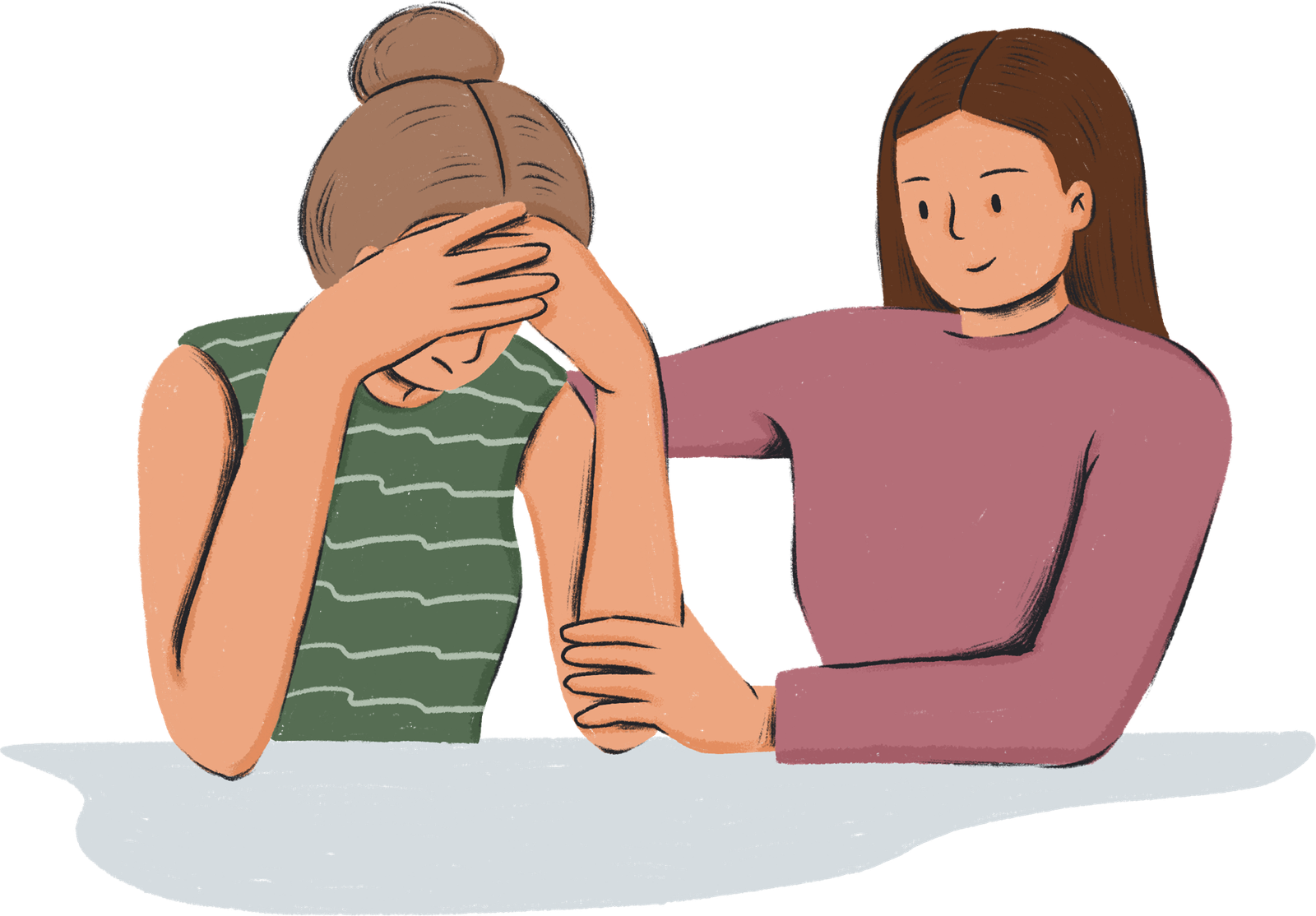
Intergenerational trauma, also called generational or transgenerational trauma, describes how the effects of serious trauma can pass from one generation to the next. Children and grandchildren may never experience the original events, such as war, displacement, colonization, residential schools, genocide, poverty or family violence, but still feel their impact through family patterns, parenting styles, silence, fear and stress. It does not mean a family is damaged or doomed. Once patterns are recognized, they can be understood and changed, and families also pass down remarkable strength.
Key takeaways
- Intergenerational trauma passes through relationships, parenting, family rules and community experiences.
- It can show up as anxiety, emotional distance, harsh discipline, silence about the past or difficulty trusting others.
- Resilience, culture and survival skills are passed down too.
- Naming the patterns is a powerful first step. You do not have to blame your parents to heal.
- Trauma-informed, culturally responsive counselling can help individuals and families break the cycle.
How trauma passes between generations
Researchers and clinicians describe several pathways:
- Parenting and attachment: a parent who survived trauma may struggle with emotional closeness, be overprotective, or react strongly to stress. Children learn from what they experience, not just what they are told.
- Family rules and silence: “We don’t talk about that.” Secrets and unspoken grief create anxiety and confusion, even when no one explains why.
- Survival habits: behaviours that once kept people safe, such as hypervigilance, distrust of outsiders, hoarding food or never showing weakness, can carry on long after the danger has passed.
- Ongoing stress: poverty, discrimination and loss of land, language or community keep stress high across generations.
- Biology: early research suggests severe stress may affect how genes are expressed. This area is still developing, and it does not mean trauma is fixed or inevitable.
Communities where intergenerational trauma is often discussed
Intergenerational trauma can affect any family. In Canada, it is widely discussed in relation to:
- Indigenous families, where the legacy of residential schools, the Sixties Scoop and loss of land and culture continues to be felt. Healing often centres culture, community and identity alongside counselling.
- Refugee and immigrant families who survived war, persecution or dangerous journeys.
- South Asian families, some of whom carry stories of Partition in 1947, migration, conflict or family violence that were rarely spoken about.
- Families affected by addiction, abuse or violence, where patterns repeat across generations.
Every family’s story is different. Culture is not the cause of trauma, and it is often a source of healing.
Signs intergenerational trauma may be affecting you
- Feeling anxious, on guard or unsafe without a clear reason
- Difficulty trusting people or relying on others
- Emotional numbness, or feeling that strong emotions are dangerous
- Harsh self-criticism or a sense that love must be earned through achievement
- Repeating parenting patterns you promised yourself you would not repeat
- Conflict with parents about the past, or a family history no one will talk about
- Using alcohol, work or busyness to avoid painful feelings
These experiences can have other causes too. A counsellor can help you make sense of them without jumping to conclusions.
How healing happens
- Learning the story. Where possible, understanding what earlier generations lived through can turn confusing patterns into something that makes sense.
- Separating understanding from blame. You can recognize how your parents’ experiences shaped them and still acknowledge how their behaviour affected you.
- Building safety in your body. Grounding, breathing and mindfulness skills help a nervous system that learned to stay on high alert.
- Processing your own trauma. Approaches such as EMDR and trauma-focused CBT can reduce the weight of painful memories.
- Practising new patterns. Repairing after conflict, naming emotions and setting boundaries teach the next generation something different.
- Reconnecting with strengths. Culture, language, faith, ceremony, family stories and community can all support healing.
How counselling helps
Counselling offers a safe place to explore family history at your own pace. Individual sessions can focus on your own healing, while family therapy helps family members talk about difficult subjects with support. For many South Asian families, our article on healing intergenerational conflict is a useful companion read.
At Disha, trauma therapy is trauma-informed and culturally responsive, and available in English, Hindi, Nepali, Punjabi and Urdu. We also offer Indigenous counselling, free for eligible First Nations and Inuit clients through NIHB, and immigrant and newcomer counselling, with IFHP direct billing for eligible refugees and refugee claimants.
If you are a residential school survivor or family member and need support now, the National Indian Residential School Crisis Line is available 24 hours a day at 1-866-925-4419. The Hope for Wellness Help Line is available to all Indigenous people at 1-855-242-3310.
Talk to a Registered Clinical Social Worker
Ready to understand your family’s story and write a new chapter? Talk with a trauma-informed counsellor in Edmonton or online.
Frequently asked questions
Is intergenerational trauma a diagnosis?
No. It is a way of understanding how trauma affects families over time. A counsellor may assess related concerns, such as anxiety, depression or PTSD, if they are present.
Can I heal intergenerational trauma if my parents will not talk about the past?
Yes. Healing does not depend on your parents’ participation. Counselling can help you understand patterns, process your own experiences and choose how you relate to your family.
Does talking about family trauma mean blaming my parents?
No. Many people find they can feel compassion for what their parents went through while still acknowledging the impact on them. Both can be true.
How long does counselling for intergenerational trauma take?
It varies. Some people find relief in a few months. Deeper patterns may take longer. Your counsellor will review progress with you regularly.
Can my family attend sessions together?
Yes. Family sessions can help, but only when everyone feels safe enough to take part. Your counsellor can help you decide whether individual or family work is the best starting point.
Disha Counselling & Wellness Centre is at 3818A 97 St NW #203, Edmonton, AB T6E 6N2, and offers online counselling across Alberta. Find us on Psychology Today and eMentalHealth.ca, watch short videos on YouTube and TikTok, or follow us on Instagram, LinkedIn and Facebook.
Reviewed by Mukesh Mishra, MSW, RCSW, Registered Clinical Social Worker and ACSW-approved RCSW supervisor at Disha Counselling & Wellness Centre. Last updated October 1, 2026. This article is general information and is not a substitute for individual professional advice.
Ready to talk to someone?
If what you've just read sounds familiar, we are here to help. Explore Trauma Therapy in Edmonton or book a free 15-minute consultation with Disha Counselling & Wellness Centre.
Book a Consultation
It’s easy and free!
Mukesh Mishra, MSW, RCSW
Mukesh Mishra, MSW, RCSW, is a Registered Clinical Social Worker in Alberta at Disha Counselling & Wellness Centre in Edmonton. He provides trauma-informed, culturally responsive counselling in English, Hindi, Nepali, Punjabi and Urdu, using CBT, EMDR, DBT and the Gottman Method, and is an ACSW-approved RCSW supervisor for social workers.