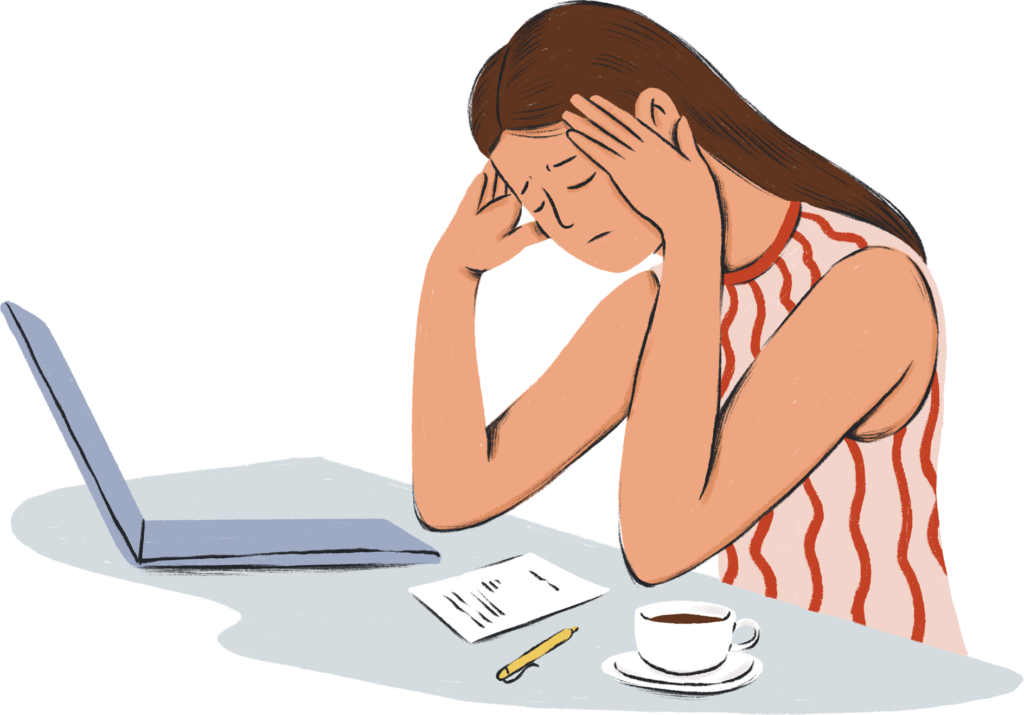
Many new parents expect joy and feel exhaustion, worry or numbness instead. Learn the difference between baby blues and postpartum depression or anxiety, and how to get support in Edmonton.

Bringing a baby home is often described as the happiest time of life. For many parents it is also one of the hardest. Sleep disappears, routines collapse, bodies are healing and every decision seems to matter. When sadness, worry or numbness settle in and do not lift, it can feel like you are failing at something you were supposed to love.
You are not failing. Postpartum depression and postpartum anxiety are common health conditions, not signs of weak character or bad parenting, and they respond well to support. This guide explains what to look for, how partners and families can help, and where parents in Edmonton and across Alberta can turn.
Key takeaways
- The baby blues are common and usually ease within about two weeks. Symptoms that last longer or get worse deserve attention.
- Postpartum depression and anxiety can begin any time in the first year, and can affect birthing parents, non-birthing parents and adoptive parents.
- Intrusive, frightening thoughts are a common anxiety symptom, and having them does not mean you will act on them.
- Counselling, practical help, sleep protection and, when needed, medical care all help. You do not have to wait until things are severe.
- If you have thoughts of harming yourself or your baby, call or text 9-8-8 or call 911 now.
Baby blues or postpartum depression?
In the first days after birth, many parents feel weepy, irritable or overwhelmed. Hormones shift rapidly, sleep is broken and life has changed overnight. These baby blues are very common and usually fade within about two weeks without treatment.
Postpartum depression is different in how long it lasts and how much it affects daily life.
| Baby blues | Postpartum depression | |
|---|---|---|
| When it starts | First few days after birth | Any time in the first year, often in the first few months |
| How long it lasts | Usually eases within about two weeks | Lasts longer than two weeks or gets worse |
| How it feels | Tearful, moody, overwhelmed, but with moments of feeling okay | Persistent low mood, emptiness, hopelessness or numbness |
| Effect on daily life | Able to function with support | Hard to cope, care for yourself or enjoy anything |
| What helps | Rest, reassurance, practical help | Professional support such as counselling and medical care |
If you are not sure which one you are experiencing, that uncertainty alone is a good reason to talk to your doctor, midwife, public health nurse or a counsellor.
Signs of postpartum depression
Postpartum depression can look different from person to person. Common signs include:
- Feeling sad, empty or hopeless most of the day
- Losing interest in things you used to enjoy, including your baby
- Feeling disconnected from your baby, or like you are going through the motions
- Strong guilt, shame or the belief that you are a bad parent
- Changes in appetite, and trouble sleeping even when the baby sleeps
- Low energy that goes beyond normal newborn tiredness
- Withdrawing from your partner, family or friends
- Thoughts that your family would be better off without you
The last sign is serious. If you are having thoughts of suicide or of harming yourself or your baby, call or text 9-8-8 or call 911 right away. These thoughts are a symptom that needs urgent care, not a judgment of who you are.
Postpartum anxiety and intrusive thoughts
Postpartum anxiety gets less attention than depression, but it is just as real. It often shows up as constant worry that will not switch off.
- Racing thoughts about the baby’s health, breathing or safety
- Checking the baby over and over, or being unable to let anyone else help
- Physical tension, a racing heart, nausea or feeling on edge
- Trouble falling asleep even when you finally have the chance
- Avoiding outings, bathing the baby or being alone with the baby out of fear
Many new parents also experience intrusive thoughts: sudden, unwanted images or ideas of something bad happening to the baby, sometimes even of causing harm. These thoughts are distressing precisely because they go against everything you want. Research on perinatal mental health shows they are common, and having them does not mean you are dangerous. When they come with heavy checking or avoidance, they can be part of perinatal anxiety or OCD, which our OCD therapy page explains in more detail.
If you ever feel out of touch with reality, hear or see things others do not, or feel confused and unable to sleep for days, seek emergency care. This can be a sign of postpartum psychosis, which is rare but needs immediate medical attention.
Who can be affected
Postpartum mental health is not only about birthing mothers.
Partners and non-birthing parents
Fathers and non-birthing partners can develop depression and anxiety too, especially when sleep is short, money is tight or the birthing parent is struggling. It often shows up as irritability, working long hours, withdrawing or drinking more rather than obvious sadness.
Adoptive and surrogate families
Adoptive parents and those who welcome a baby through surrogacy can also experience low mood and anxiety. The pressure to feel grateful can make it harder to say that things are hard.
Newcomer families
For parents who have moved to Canada, the postpartum period can be lonely. In many cultures new mothers are surrounded by family for weeks after birth. Without that village, the work falls on one or two people. Our newcomer mental health guide covers some of the pressures that come with building a life far from home.
What raises the risk
Anyone can develop postpartum depression or anxiety, but some things make it more likely:
- A history of depression, anxiety or other mental health concerns
- A difficult pregnancy, traumatic birth or a baby who needed intensive care
- Previous pregnancy loss or fertility treatment
- Lack of sleep and lack of practical support
- Relationship strain, financial stress or a recent move
- Feeding difficulties and pressure about how you feed your baby
Having risk factors does not mean you will become unwell. It does mean it is worth planning support ahead of time.
Example: Amrit is six weeks postpartum. Her family lives overseas and her partner went back to work after two weeks. She cries most evenings, feels she has no bond with her son and lies awake listening to him breathe. She tells her family she is fine. When her public health nurse asks how she is really doing, she finally says out loud that she is not okay. That one honest answer opens the door to counselling, a doctor’s appointment and a plan for her partner to take two night feeds a week.
How partners and family can help
If someone you love has a new baby, practical help and patient listening make a real difference.
- Protect their sleep. Take a night feed, or a block of early morning care, so they get one stretch of uninterrupted rest.
- Ask directly and kindly. Try “How are you really feeling?” and be ready to hear an honest answer without fixing it straight away.
- Take over tasks without being asked. Meals, laundry, dishes and errands lighten the load more than advice does.
- Notice changes. Withdrawal, constant worry, not eating or saying they feel worthless are signs to encourage professional help.
- Go with them. Offer to book the appointment, drive them or hold the baby during a session.
- Look after yourself too. Partners need support as well, and it is okay to seek it.
How counselling helps
Counselling gives new parents a private place to say the things they are afraid to say anywhere else. Approaches such as cognitive behavioural therapy (CBT) help you notice harsh, anxious thoughts, test them against reality and respond in kinder, more balanced ways. Counselling can also help with:
- Processing a difficult or traumatic birth
- Managing intrusive thoughts and the urge to check
- Adjusting to changes in identity, career and relationships
- Communicating with your partner about sharing the load
- Setting boundaries with well-meaning family members
Counselling works well alongside medical care. Your family doctor can talk with you about whether medication might help, including options that are compatible with breastfeeding. Our article on signs of depression and treatment explains how different types of support fit together.
At Disha, sessions are available online across Alberta, which many new parents find easier than travelling with a baby. You are welcome to have your baby with you during an online session. Learn more about our depression therapy and anxiety therapy services.
Where to get help in Edmonton and Alberta
- Your family doctor, midwife or public health nurse can screen for postpartum depression and anxiety and connect you to care.
- Health Link at 811 offers 24/7 health advice from a registered nurse.
- Alberta Mental Health Help Line at 1-877-303-2642 offers 24/7 support.
- 9-8-8 Suicide Crisis Helpline: call or text 9-8-8 any time.
- 911 for an emergency.
Talk to someone who understands
Postpartum depression and anxiety are treatable. Book an online or in-person session with Disha in South Edmonton, in English, Hindi, Nepali, Punjabi or Urdu.
Frequently asked questions
How long does postpartum depression last?
It varies. With support, many people start to feel better within weeks to months. Without support, symptoms can last much longer, which is why it helps to reach out early.
Can postpartum depression start months after birth?
Yes. Postpartum depression can begin any time in the first year after birth, and symptoms sometimes appear when weaning, returning to work or when practical help from family ends.
Can fathers get postpartum depression?
Yes. Fathers and non-birthing partners can experience depression and anxiety after a baby arrives. It often shows up as irritability, withdrawal or overworking rather than sadness.
Are intrusive thoughts about my baby normal?
Unwanted, upsetting thoughts about harm coming to the baby are common in new parents and do not mean you will act on them. If they are frequent or cause heavy checking or avoidance, counselling can help.
Can I do counselling online with a newborn at home?
Yes. Disha offers secure online sessions anywhere in Alberta, and many parents find it easier to attend from home. Your baby can be with you.
Is counselling covered for postpartum depression?
Many workplace benefit plans cover counselling with a Registered Clinical Social Worker. Eligible First Nations and Inuit clients can access counselling through NIHB, and eligible refugee claimants through IFHP, both with direct billing.
Disha Counselling & Wellness Centre is at 3818A 97 St NW #203, Edmonton, AB T6E 6N2, and offers online counselling across Alberta. Find us on Psychology Today and eMentalHealth.ca, watch short videos on YouTube and TikTok, or follow us on Instagram, LinkedIn, Facebook and Pinterest.
Reviewed by Mukesh Mishra, MSW, RCSW, Registered Clinical Social Worker and ACSW-approved RCSW supervisor at Disha Counselling & Wellness Centre. This article is general information and is not a substitute for individual professional advice. Counselling is not an emergency service: if you are in crisis, call or text 9-8-8 or call 911.
Ready to talk to someone?
If what you've just read sounds familiar, we are here to help. Explore Depression Therapy in Edmonton or book a free 15-minute consultation with Disha Counselling & Wellness Centre.
Book a Consultation
It’s easy and free!

Mukesh Mishra, MSW, RCSW
Mukesh Mishra, MSW, RCSW, is a Registered Clinical Social Worker in Alberta at Disha Counselling & Wellness Centre in Edmonton. He provides trauma-informed, culturally responsive counselling in English, Hindi, Nepali, Punjabi and Urdu, using CBT, EMDR, DBT and the Gottman Method, and is an ACSW-approved RCSW supervisor for social workers.