When someone you love comes out as transgender or non-binary, it is normal to have questions. Practical guidance for families on listening, language and support.
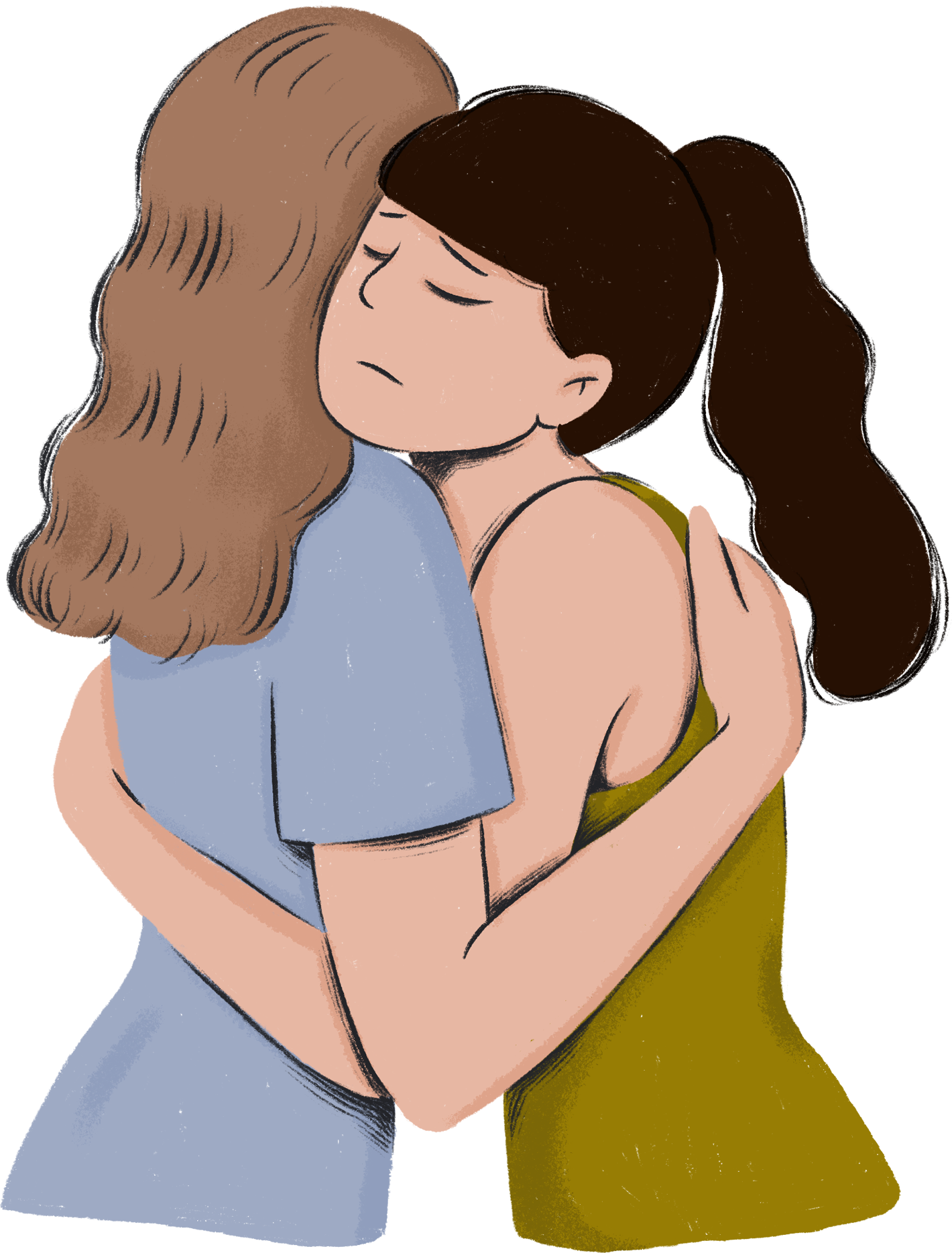
When a child, sibling, partner or parent tells you they are transgender, non-binary or questioning their gender, they are trusting you with something important. The most helpful first response is simple: thank them, tell them you love them and listen. It is normal for family members to feel confused, worried or even grieving while they adjust. You do not need to have every answer. Learning, asking respectful questions and getting support for yourself can help your loved one and your family stay connected.
Key takeaways
- Thank them for telling you, and lead with love and listening.
- Use the name and pronouns they ask for, and apologize simply if you slip.
- Your own feelings are valid. Work through them with others, not with your loved one.
- Family acceptance is strongly linked to better mental health for trans and gender-diverse people.
- Counselling can help both your loved one and the family.
Some helpful terms
- Transgender: a person whose gender identity is different from the sex they were assigned at birth.
- Non-binary: a person whose gender is not exclusively man or woman.
- Gender identity: a person’s internal sense of their gender.
- Gender expression: how someone shows their gender, through clothing, hair or behaviour.
- Two-Spirit: a term used by some Indigenous people to describe a gender and spiritual identity rooted in their culture.
Language changes over time. If you are unsure, ask your loved one which words they use.
What to say, and what to avoid
Helpful:
- “Thank you for telling me. I love you.”
- “What name and pronouns would you like me to use?”
- “What would help you feel supported right now?”
- “I have a lot to learn, and I want to.”
Less helpful:
- “Are you sure? It is probably a phase.”
- “How could you do this to us?”
- “What will people say?”
- Asking intrusive questions about their body or medical plans
Common worries families have
- Safety: fear of discrimination or harassment. This is understandable. Your support is one of the strongest protections your loved one has.
- Grief: some parents feel a sense of loss for the future they imagined. This is common and can be worked through, ideally with support from a counsellor or other parents.
- “Did we cause this?”: no. Gender identity is not caused by parenting.
- Medical questions: decisions about health care are made with qualified medical providers. Social steps, such as a new name, pronouns or clothing, come first for many people.
Culture, faith and community
In many South Asian, immigrant and faith communities, gender roles and family reputation are deeply important. Families may worry about relatives, religious leaders or marriage expectations. These worries are real, but your loved one’s wellbeing comes first. Many families find ways to hold both their faith or culture and their love for their child. A culturally responsive counsellor can help you talk through these tensions in your own language, without judgment.
Supporting your loved one day to day
- Use their chosen name and pronouns, including when they are not in the room.
- Let them decide who to tell and when. Coming out belongs to them.
- Stand up for them with relatives, school or community when needed.
- Watch for signs of distress, such as withdrawal, school avoidance or talk of hopelessness.
- Celebrate them. Ordinary everyday acceptance means a great deal.
Looking after yourself as a parent or family member
You may need space to process your own feelings. Talk with a counsellor, a trusted friend or other parents of trans and gender-diverse people, rather than placing your feelings on your loved one.
How counselling can help
- For your loved one: affirming counselling for anxiety, depression, identity questions, school or work stress and family relationships.
- For parents and families: space to ask questions, work through feelings and learn how to support.
- Family sessions: guided conversations that help everyone feel heard.
At Disha, LGBTQ2S+ affirming counselling, family therapy and parenting support are available in English, Hindi, Punjabi, Urdu and Nepali. See also what LGBTQ2S+ affirming therapy looks like.
If you are worried about safety
If your loved one talks about suicide or self-harm, take it seriously. Call or text 9-8-8 any time, or call 911. Young people can reach Kids Help Phone at 1-800-668-6868 or by texting CONNECT to 686868. Trans Lifeline offers peer support by and for trans people at 1-877-330-6366.
Talk to a Registered Clinical Social Worker
Want help supporting a transgender or gender-diverse loved one? Book a confidential session for yourself, your loved one or your family.
Frequently asked questions
How do I support my transgender child?
Listen, tell them you love them, use their chosen name and pronouns and let them lead on who to tell. Get support for your own feelings separately.
Is it a phase?
Only your loved one can know their identity. Taking them seriously and supporting them is helpful whatever the future holds.
What if my faith or culture makes this hard?
Many families hold both faith and acceptance. A culturally responsive counsellor can help you work through these questions without judgment.
Does Disha offer counselling for transgender clients?
Yes. We provide affirming counselling for transgender, non-binary and gender-diverse people, and for families who want to support them.
Can parents attend counselling on their own?
Yes. Many parents book individual sessions to understand their feelings and learn how to support their child.
Disha Counselling & Wellness Centre is at 3818A 97 St NW #203, Edmonton, AB T6E 6N2, and offers online counselling across Alberta. Find us on Psychology Today and eMentalHealth.ca, watch short videos on YouTube and TikTok, or follow us on Instagram, LinkedIn and Facebook.
Reviewed by Mukesh Mishra, MSW, RCSW, Registered Clinical Social Worker and ACSW-approved RCSW supervisor at Disha Counselling & Wellness Centre. This article is general information and is not a substitute for individual professional advice.
Ready to talk to someone?
If what you've just read sounds familiar, we are here to help. Explore Family Therapy in Edmonton or book a free 15-minute consultation with Disha Counselling & Wellness Centre.
Book a Consultation
It’s easy and free!

Mukesh Mishra, MSW, RCSW
Mukesh Mishra, MSW, RCSW, is a Registered Clinical Social Worker in Alberta at Disha Counselling & Wellness Centre in Edmonton. He provides trauma-informed, culturally responsive counselling in English, Hindi, Nepali, Punjabi and Urdu, using CBT, EMDR, DBT and the Gottman Method, and is an ACSW-approved RCSW supervisor for social workers.