You deserve a therapist who respects who you are. What affirming therapy looks like, signs to look for and questions to ask when searching in Edmonton.

LGBTQ2S+ affirming therapy is counselling in which your sexual orientation and gender identity are respected as valid, healthy parts of who you are. An affirming therapist does not try to change your identity, uses your chosen name and pronouns, understands the effects of discrimination and minority stress, and lets you decide what to focus on. Whether you come in for anxiety, relationships, family conflict or identity questions, affirming care means you do not have to educate or defend yourself to get help.
Key takeaways
- Affirming therapy treats LGBTQ2S+ identities as valid, not as problems to fix.
- You choose what to work on. Identity comes up only as much as you want it to.
- Minority stress, such as discrimination and hiding who you are, can affect mental health.
- Conversion practices are banned in Canada. Affirming therapists never attempt them.
- It is okay to ask a therapist directly about their approach before booking.
What makes therapy affirming?
- Respect: your identity is accepted as it is. Your chosen name and pronouns are used.
- No assumptions: the therapist does not assume your partner’s gender, your family structure or that every problem is about identity.
- Understanding of minority stress: the extra strain of discrimination, rejection, harassment and constantly deciding whether to be out.
- Client-led: you set the goals. Exploring identity happens at your pace, without pressure toward any outcome.
- Safety for the whole person: culture, faith, disability, race and immigration status are part of your story too.
Why it matters
LGBTQ2S+ people face higher rates of anxiety, depression and suicidal thoughts. Research links these not to identity itself but to stigma, rejection and discrimination. Affirming support, from family, community or a therapist, is associated with better mental health. Feeling safe in therapy is the foundation for any other work.
Common reasons people seek affirming counselling
- Coming out, or deciding not to come out, to family, friends or at work
- Exploring sexual orientation or gender identity
- Family rejection or conflict, including cultural or religious expectations
- Relationship concerns in queer, same-sex or trans relationships
- Anxiety, depression, trauma, grief or substance use
- Workplace or school harassment
Signs a therapist may not be affirming
- They treat your identity as a symptom or a phase
- They avoid using your name and pronouns
- They push you to come out, or to stay closeted, on their timeline
- They imply that your identity conflicts with your culture or faith and must be resolved one way
- They suggest you could or should change your orientation or identity
If this happens, you are entitled to stop and find someone else. Conversion practices were made a criminal offence in Canada in 2022.
Questions to ask before booking
- Do you work with LGBTQ2S+ clients, and how do you describe your approach?
- How do you support clients who are exploring their identity?
- Do you work with families who are struggling to accept an LGBTQ2S+ member?
- How do you handle confidentiality, especially with family members?
Identity, culture and family
For many people from South Asian, immigrant and faith communities, being LGBTQ2S+ can feel like balancing two worlds. Some fear rejection, pressure to marry or loss of community. A culturally responsive, affirming counsellor understands both sides and helps you find your own path, which may include gradual conversations with family, building chosen family, or both. Our article on supporting a transgender or gender-diverse family member may also help families.
Support in Edmonton
- Affirming counselling: at Disha, LGBTQ2S+ affirming counselling is available for individuals, couples and families, in person or online.
- Community: the Pride Centre of Edmonton offers community programs and resources.
- Youth: Kids Help Phone is available at 1-800-668-6868 or by texting CONNECT to 686868.
- Crisis: call or text 9-8-8 any time, or call 911.
Talk to a Registered Clinical Social Worker
Looking for an affirming therapist in Edmonton? Book a free consultation, in person or online, and ask any questions you have first.
Frequently asked questions
What is an LGBTQ-affirming therapist?
A therapist who respects LGBTQ2S+ identities as valid, uses your name and pronouns, understands minority stress and lets you lead the work, without trying to change who you are.
Does my therapist need to be LGBTQ2S+?
Not necessarily. Many clients work well with affirming therapists who are not LGBTQ2S+ themselves. What matters is respect, knowledge and fit. Some people prefer a therapist with lived experience, and that is valid too.
Do I have to talk about my sexuality or gender in therapy?
No. You choose what to focus on. Many LGBTQ2S+ clients come in for anxiety, work stress or relationships.
Can my family attend sessions?
Yes, if you want them to. Family sessions can help with understanding and communication.
Is online counselling available?
Yes. Secure video sessions are available anywhere in Alberta, which can be helpful if you need privacy at home.
Disha Counselling & Wellness Centre is at 3818A 97 St NW #203, Edmonton, AB T6E 6N2, and offers online counselling across Alberta. Find us on Psychology Today and eMentalHealth.ca, watch short videos on YouTube and TikTok, or follow us on Instagram, LinkedIn and Facebook.
Reviewed by Mukesh Mishra, MSW, RCSW, Registered Clinical Social Worker and ACSW-approved RCSW supervisor at Disha Counselling & Wellness Centre. This article is general information and is not a substitute for individual professional advice.
Ready to talk to someone?
If what you've just read sounds familiar, we are here to help. Explore Our Counselling Services or book a free 15-minute consultation with Disha Counselling & Wellness Centre.
Book a Consultation
It’s easy and free!
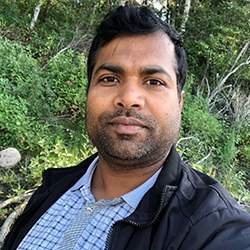
Mukesh Mishra, MSW, RCSW
Mukesh Mishra, MSW, RCSW, is a Registered Clinical Social Worker in Alberta at Disha Counselling & Wellness Centre in Edmonton. He provides trauma-informed, culturally responsive counselling in English, Hindi, Nepali, Punjabi and Urdu, using CBT, EMDR, DBT and the Gottman Method, and is an ACSW-approved RCSW supervisor for social workers.