Group therapy can be powerful, affordable and less lonely. How it compares with individual counselling, what happens in a session and how to choose.
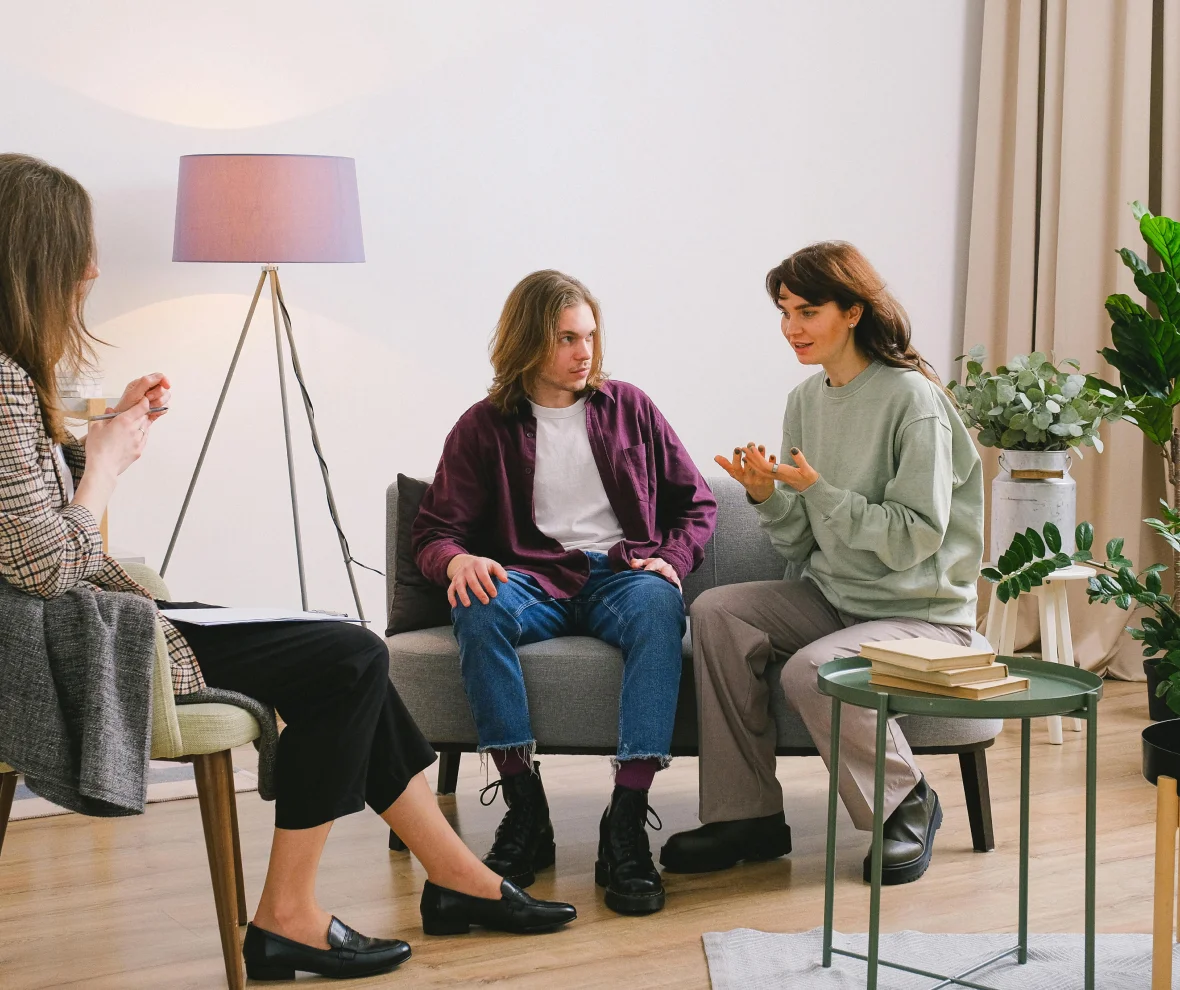
Group therapy brings together a small group of people working on similar concerns, guided by a trained therapist. Research shows it can be as effective as individual therapy for many concerns, including anxiety, depression, anger, grief and adjustment stress. Groups offer something individual sessions cannot: the experience of being understood by peers, learning from others’ progress and practising new skills with real people. Individual therapy offers more privacy and a fully personalized pace. Many people benefit from both.
Key takeaways
- Group therapy is effective for many concerns and is often more affordable.
- Groups reduce isolation and let you practise skills with others.
- Individual therapy is better for very personal, complex or urgent concerns.
- Confidentiality and respectful guidelines are part of every group.
- You can listen first. Sharing happens at your own pace.
Benefits of group therapy
- You are not alone: hearing others describe similar struggles reduces shame and isolation
- Learning from peers: members share what has worked for them
- Skill practice: communication, boundaries and emotional regulation are practised in real time
- Hope: seeing others make progress is encouraging
- Affordability: group sessions usually cost less than individual counselling
- Accountability: regular meetings help you follow through
When individual therapy may be better
- You are in crisis or at high risk
- You need help with something deeply personal, such as trauma you are not ready to share
- Severe social anxiety makes groups feel impossible right now
- You need a fully personalized pace or an assessment
Many people start individually, then join a group, or do both at once.
What happens in a group session
Groups usually have 6 to 12 members and a facilitator. Sessions often start with a check-in, followed by a topic or skill, discussion and practice, then a closing. Structured groups, such as anger management or CBT skills groups, follow a set plan. Support groups are more open-ended. Everyone agrees to keep what is shared in the group confidential.
Types of groups
- Psychoeducational groups: teach skills and information, such as anger management
- Skills groups: practise specific tools, such as CBT for anxiety or DBT for emotional regulation
- Support groups: shared experiences, such as grief or settlement
- Court-mandated programs: structured groups that meet legal or employer requirements
How to choose the right group
- Is the facilitator registered and trained?
- Is the group focused on your main concern?
- Is it offered in your preferred language?
- Is it in person, online or both?
- What does it cost, and is a certificate provided if you need one?
- Does the facilitator meet you first to check fit?
Groups at Disha in Edmonton
We run small, confidential, culturally responsive groups led by Mukesh Mishra, MSW, RCSW, many in Hindi, Punjabi, Urdu and Nepali:
- South Asian Men’s Domestic Violence Prevention Group
- Court-Ordered Anger Management for South Asians
- Newcomer Support Group
- Anxiety and Stress Management Group (now forming)
- Grief and Loss Support Group (now forming)
- Parenting Across Cultures Group (now forming)
See all groups.
Talk to a Registered Clinical Social Worker
Interested in a group? Contact us for the next start dates, times and fees, or to ask which group fits best.
Frequently asked questions
Is group therapy as effective as individual therapy?
For many concerns, research shows similar benefits. The best choice depends on your needs, and many people do both.
Do I have to talk in group therapy?
No. You can listen until you feel ready. Facilitators make sure participation feels safe.
Is group therapy confidential?
Members agree to keep what is shared private, and the facilitator explains confidentiality and its legal limits.
How much does group therapy cost in Edmonton?
It varies by group, and is usually less than individual sessions. At Disha, a sliding scale is available case by case.
Can I join a group online?
Many groups offer virtual options. Ask about the specific group.
Disha Counselling & Wellness Centre is at 3818A 97 St NW #203, Edmonton, AB T6E 6N2, and offers online counselling across Alberta. Find us on Psychology Today and eMentalHealth.ca, watch short videos on YouTube and TikTok, or follow us on Instagram, LinkedIn and Facebook.
Reviewed by Mukesh Mishra, MSW, RCSW, Registered Clinical Social Worker and ACSW-approved RCSW supervisor at Disha Counselling & Wellness Centre. This article is general information and is not a substitute for individual professional advice.
Ready to talk to someone?
If what you've just read sounds familiar, we are here to help. Explore Our Counselling Services or book a free 15-minute consultation with Disha Counselling & Wellness Centre.
Book a Consultation
It’s easy and free!
Mukesh Mishra, MSW, RCSW
Mukesh Mishra, MSW, RCSW, is a Registered Clinical Social Worker in Alberta at Disha Counselling & Wellness Centre in Edmonton. He provides trauma-informed, culturally responsive counselling in English, Hindi, Nepali, Punjabi and Urdu, using CBT, EMDR, DBT and the Gottman Method, and is an ACSW-approved RCSW supervisor for social workers.