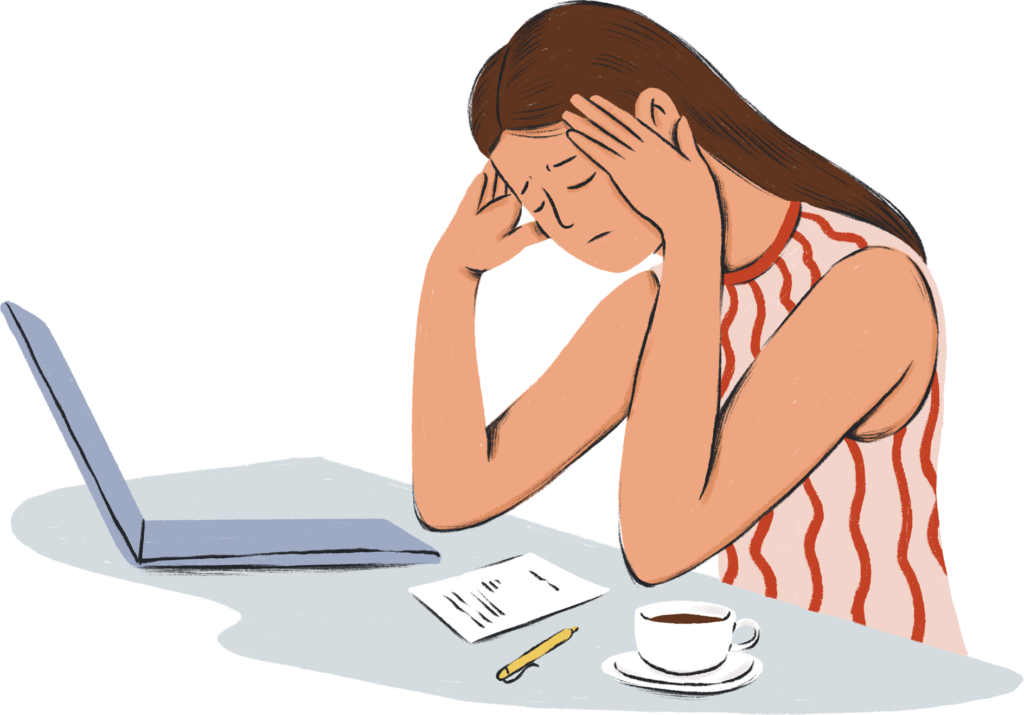
Headaches, tight shoulders, stomach trouble? Learn how stress and anxiety can show up in the body and what may help, from counsellors in Edmonton.

Your doctor says your tests look normal, but your stomach still churns before work. Your shoulders feel like stone. Headaches arrive every afternoon. You’re tired no matter how much you sleep. It can be confusing and frustrating when your body hurts and there’s no clear medical explanation.
Often, the body is speaking for emotions the mind hasn’t fully processed. Stress and anxiety don’t just live in our thoughts; they can show up as very real physical symptoms. These are sometimes called somatic symptoms.
Quick answer: Somatic symptoms of stress are physical sensations, such as headaches, muscle tension, stomach problems, fatigue, chest tightness and sleep difficulties, that are linked to emotional stress or anxiety. They happen because the body’s stress response affects muscles, digestion, breathing and the nervous system. Always check physical symptoms with a doctor first; then stress management, body-based techniques and counselling can help.
Key Takeaways
- Stress and anxiety can cause real physical symptoms, not imagined ones.
- The body’s fight-or-flight system affects muscles, digestion, heart rate and sleep.
- Common somatic symptoms include headaches, tension, stomach upset and fatigue.
- Always rule out medical causes with a healthcare provider first.
- Counselling can help address the emotional roots while calming the body.
Why Stress Shows Up in the Body
When we face a threat, real or perceived, the body activates the stress response. Stress hormones increase heart rate, tense muscles, speed up breathing and redirect energy away from digestion. This is helpful in short bursts, such as reacting quickly to danger.
Problems arise when stress becomes chronic. If the body stays in a heightened state for weeks or months, the systems that were meant to activate briefly remain switched on, leading to ongoing physical discomfort.
Common Somatic Symptoms of Stress and Anxiety
Muscle Tension and Pain
Tight neck, shoulders, jaw and back are among the most common signs. Some people clench their teeth or experience tension headaches.
Headaches
Stress can trigger tension headaches and may worsen migraines for some people.
Digestive Problems
Stomach aches, nausea, bloating, changes in appetite and bowel changes are often linked to stress, because the gut and brain are closely connected.
Fatigue
Living in a constant state of alert drains energy. Many people feel exhausted even after sleeping.
Sleep Difficulties
Racing thoughts and physical tension can make it hard to fall or stay asleep.
Chest Tightness and Rapid Heartbeat
Anxiety can cause a pounding heart or tight chest. Because these can also signal medical emergencies, seek urgent care if you are unsure.
Dizziness and Shortness of Breath
Shallow, quick breathing during anxiety can lead to light-headedness.
The Role of Culture
In many cultures, emotional distress is more commonly expressed through physical complaints than through words like “anxious” or “depressed.” People may visit doctors repeatedly for body pain while emotional stress goes unspoken. This is not exaggeration; it reflects how different communities understand and talk about suffering.
Recognizing this connection can open the door to support that treats the whole person.
Practical Ways to Ease Somatic Symptoms
1. Start With a Medical Check
See your family doctor to rule out physical conditions. Once serious causes are excluded, you can focus on the stress connection with more confidence.
2. Notice the Mind-Body Link
Keep a simple log of symptoms alongside what was happening emotionally. Patterns often emerge, such as headaches on Sunday evenings before the work week.
3. Slow Your Breathing
Try breathing in for four counts and out for six. Longer exhales can signal safety to the nervous system.
4. Release Muscle Tension
Progressive muscle relaxation, gentle stretching and warm showers can help relax tight muscles.
5. Move Your Body
Regular walks, yoga or other activity can reduce stress hormones and improve sleep, even in an Edmonton winter.
6. Protect Sleep
Keep regular bedtimes, limit screens before sleep and reduce caffeine later in the day.
7. Address the Source of Stress
Physical techniques help, but lasting relief often comes from addressing what is causing stress, whether work pressure, relationship conflict, grief or unresolved trauma.
When Trauma Is Involved
For some people, physical symptoms are connected to past traumatic experiences. The body may hold tension or react strongly to reminders, even years later. Trauma therapy in Edmonton and approaches such as EMDR therapy can help process these experiences safely.
How Counselling Can Help
A counsellor can help you understand the emotional sources of your symptoms and develop tools to calm both mind and body. Anxiety therapy may include CBT to address worry patterns, along with relaxation and grounding techniques. Counselling works well alongside medical care, not instead of it.
How Disha Counselling Supports Mind-Body Wellness
Disha Counselling & Wellness Centre in South Edmonton takes a holistic, culturally responsive approach. We understand that many people experience stress through their bodies and we respect the ways different cultures express distress. Sessions are available in person or online across Alberta.
A Closer Look: An Illustrative Example
Rajesh visited his doctor several times for headaches, back pain and stomach issues. Tests came back normal. His doctor gently asked about stress. Rajesh, a newcomer working long hours while supporting family overseas, said he was “fine” but admitted he worried constantly about money. His doctor suggested counselling. At first, Rajesh felt uncomfortable talking about emotions; in his family, physical complaints were more acceptable to discuss than worry. His counsellor respected this and began by focusing on his body: teaching muscle relaxation and slow breathing. As trust grew, Rajesh began talking about the pressure he felt and the loneliness of being away from his family. He noticed his headaches often followed tense phone calls about finances. Over time, with a budget plan, regular walks and ongoing sessions, his symptoms eased. He told his counsellor he hadn’t realized how much his body had been carrying.
This is a composite example created for illustration. It does not describe a real client.
Frequently Asked Questions
Are stress-related physical symptoms real?
Yes. Somatic symptoms are real physical sensations caused by the body’s stress response. They are not “all in your head.”
How do I know if my symptoms are caused by stress?
Only a healthcare provider can rule out medical causes. If tests are normal and symptoms follow stressful periods, stress may be involved.
Can counselling reduce physical pain?
Many people notice physical symptoms ease as they learn to manage stress and anxiety, though results vary.
Should I go to the emergency room for chest pain?
If you have chest pain, difficulty breathing or think you may be having a medical emergency, call 911 or go to the nearest emergency department.
Book Your Free 15-Minute Consultation
Ready to take the next step? Disha Counselling & Wellness Centre in South Edmonton offers a free 15-minute consultation so you can ask questions, share what you’re looking for and see whether our approach feels like the right fit. Sessions are available in person at our South Edmonton office or through secure online counselling anywhere in Alberta. Book your free consultation or contact our team today.
Our counsellors provide warm, culturally responsive and evidence-informed care for individuals, couples and families, drawing on approaches such as cognitive behavioural therapy (CBT), trauma-informed practice and Gottman-informed couples work where appropriate. Whatever you’re facing, you don’t have to face it alone.
If You Need Help Right Now
If you are in crisis or thinking about harming yourself, call or text 9-8-8 (Suicide Crisis Helpline), call the Alberta Mental Health Help Line at 1-877-303-2642, or call 911. For family violence support in Alberta, call 310-1818.
This article is for general educational purposes only and is not a substitute for professional diagnosis, treatment or advice. Please speak with a qualified health professional about your specific situation.
Ready to talk to someone?
If what you've just read sounds familiar, we are here to help. Explore Our Counselling Services or book a free 15-minute consultation with Disha Counselling & Wellness Centre.
Book a Consultation
It’s easy and free!

Mukesh Mishra, MSW, RCSW
Mukesh Mishra, MSW, RCSW, is a Registered Clinical Social Worker in Alberta at Disha Counselling & Wellness Centre in Edmonton. He provides trauma-informed, culturally responsive counselling in English, Hindi, Nepali, Punjabi and Urdu, using CBT, EMDR, DBT and the Gottman Method, and is an ACSW-approved RCSW supervisor for social workers.