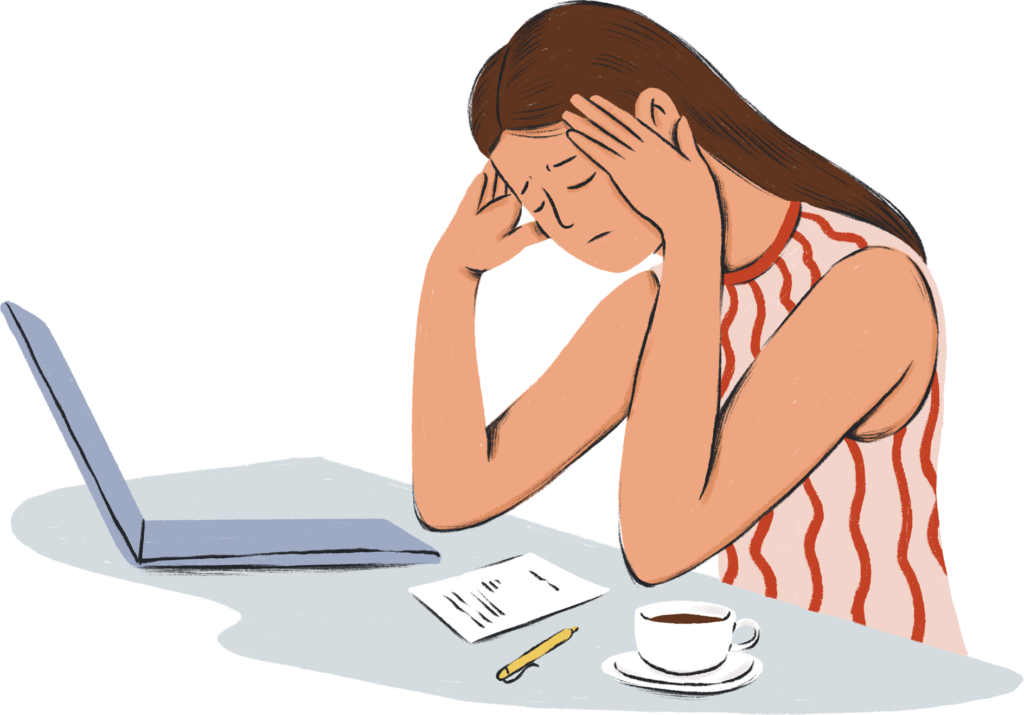
Holidays can make loss feel sharper, from an empty chair at the table to traditions that are no longer the same. Here are gentle ways to cope, honour loved ones and get support.
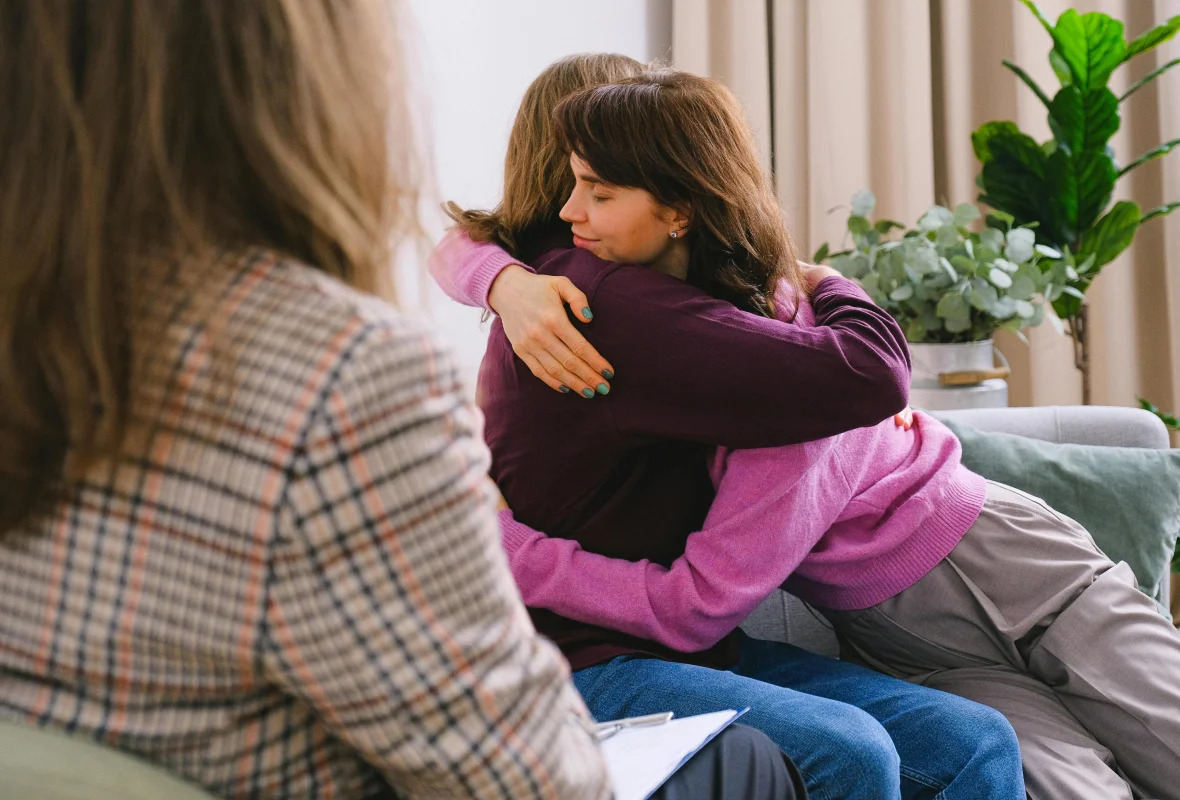
The lights go up across Edmonton. Stores play festive music, social media fills with family photos and invitations arrive. For someone who is grieving, this season can feel painfully out of step. The person who made the sweets, said the prayers or carved the turkey is no longer here.
Whether you celebrate Diwali, Christmas, Eid, Hanukkah, Lunar New Year, Vaisakhi, Nowruz or another occasion, holidays tend to bring grief to the surface. This article explores why, and offers gentle ways to cope.
Key takeaways
- Holidays often intensify grief because they are full of memories, rituals and expectations of togetherness.
- The days leading up to a holiday can be harder than the day itself.
- There is no right way to celebrate after a loss. You can keep traditions, change them or take a year off.
- Planning ahead, sharing your needs and finding ways to honour your loved one can help.
- If grief feels unbearable or you have thoughts of suicide, call or text 9-8-8.
Why holidays make grief harder
Celebrations are built around connection, tradition and family. After a loss, they highlight who is missing.
- Rituals carry memories. Lighting diyas, decorating a tree or cooking a special dish may bring back vivid memories of your loved one.
- Expectations of joy can make you feel out of place or guilty for not feeling festive.
- Family gatherings may bring tension, different grieving styles or unresolved conflict.
- The first holidays after a death are often especially hard, but later years can also be painful.
- Distance and immigration can mean grieving someone who died far away, without the support of extended family or community rituals. Our article on grieving a loved one back home explores this further.
Grief is not only about death. Holidays can also stir up grief after divorce, estrangement, pregnancy loss, a diagnosis or moving away from home.
Cultural and faith traditions
Many cultures have mourning periods that affect how festivals are observed. In some Hindu and Sikh families, for example, it is customary not to celebrate major festivals for a year after a death in the family. Some Muslim families mark Eid quietly after a loss, focusing on prayer and visiting graves. Christian families may attend memorial services or light a candle at church.
These traditions can be comforting. They can also create tension when family members have different views, or when you are living in Canada and your community here does not share the same customs. It is okay to honour traditions in a way that feels meaningful to you.
Ways to cope
- Plan ahead. Decide in advance where you will be and for how long. Having an exit plan can make gatherings feel more manageable.
- Give yourself permission to change traditions. You might keep some, adapt others or try something new.
- Share your needs. Tell family or friends what would help, whether it is talking about your loved one, quiet company or help with cooking.
- Lower expectations. You do not have to cook everything, attend every event or send cards this year.
- Allow mixed feelings. You may laugh at a family dinner and cry later. Both are okay.
- Look after your body. Sleep, regular meals, movement and limiting alcohol all help.
- Find small moments of rest. A walk in the snow, quiet prayer or a few minutes alone can help you reset.
- Reach out. Call a friend, join a support group or talk with a counsellor.
Ways to honour your loved one
| Idea | How it might look |
|---|---|
| Light a candle or diya | Place it near their photo during the celebration |
| Cook their recipe | Make their favourite dish and share stories while eating |
| Leave a space | Set a place at the table or save their chair |
| Share memories | Invite each person to share a favourite story |
| Give in their name | Donate to a cause they cared about or volunteer |
| Visit a meaningful place | A grave, temple, gurdwara, mosque, church or a favourite spot in the river valley |
| Write a letter | Tell them what has happened this year and what you miss |
Supporting a grieving friend or relative
- Mention their loved one by name. Many grieving people want to hear the name spoken.
- Invite them, but make it okay to say no or leave early.
- Offer specific help, such as driving, cooking or babysitting.
- Avoid phrases like “they are in a better place” or “it is time to move on”.
- Check in after the holidays too, when the support often fades.
Example: After her father died in Punjab last spring, Gurpreet could not travel back for the funeral. As Diwali approached in Edmonton, she felt numb and guilty about celebrating. Her family agreed to keep the day simple. They lit a diya beside his photo, cooked his favourite kheer and video-called relatives back home to share stories. It was still painful, but it felt like he was part of the day.
When grief needs more support
Grief is a natural response to loss, and it does not follow a neat timeline. Most people find the pain softens over time, even if it never disappears. Sometimes grief gets stuck. Consider reaching out if:
- Months after a loss, you are unable to function at work or home
- You feel intense longing or bitterness that does not ease
- You avoid anything that reminds you of the person
- You are using alcohol or other substances to cope
- You feel hopeless or have thoughts of dying
Our guide to types of grief and bereavement counselling explains complicated grief and other forms of loss.
Grief support at Disha
At Disha, grief counselling offers a space to remember, feel and find a way forward, in person in South Edmonton or online anywhere in Alberta, in English, Hindi, Nepali, Punjabi or Urdu. You might also find comfort in our grief support group, where people share what they are going through with others who understand.
If you are in crisis, call or text 9-8-8, or call 911. The Alberta Mental Health Help Line at 1-877-303-2642 is available 24/7.
You do not have to grieve alone
Book a grief counselling session or ask about our grief support group, in person or online.
Frequently asked questions
Is it normal to feel worse during holidays after a loss?
Yes. Holidays are full of memories and expectations of togetherness, which often intensify grief, even years after a loss.
Should I skip holiday celebrations this year?
There is no right answer. Some people find comfort in traditions, while others need a quieter year. Choose what feels manageable and adjust as you go.
Is it okay to celebrate while grieving?
Yes. Moments of joy do not mean you have forgotten your loved one. Many people find meaning in honouring them during celebrations.
How can I support someone grieving at Diwali or Christmas?
Mention their loved one, invite them without pressure, offer practical help and check in after the holidays too.
When should I seek grief counselling?
Consider counselling if grief makes it hard to function, feels stuck, leads to heavy substance use or brings thoughts of dying.
Does Disha offer grief support in other languages?
Yes. Grief counselling is available in English, Hindi, Nepali, Punjabi and Urdu.
Disha Counselling & Wellness Centre is at 3818A 97 St NW #203, Edmonton, AB T6E 6N2, and offers online counselling across Alberta. Find us on Psychology Today and eMentalHealth.ca, watch short videos on YouTube and TikTok, or follow us on Instagram, LinkedIn, Facebook and Pinterest.
Reviewed by Mukesh Mishra, MSW, RCSW, Registered Clinical Social Worker and ACSW-approved RCSW supervisor at Disha Counselling & Wellness Centre. This article is general information and is not a substitute for individual professional advice. Counselling is not an emergency service: if you are in crisis, call or text 9-8-8 or call 911.
Ready to talk to someone?
If what you've just read sounds familiar, we are here to help. Explore Our Counselling Services or book a free 15-minute consultation with Disha Counselling & Wellness Centre.
Book a Consultation
It’s easy and free!
Mukesh Mishra, MSW, RCSW
Mukesh Mishra, MSW, RCSW, is a Registered Clinical Social Worker in Alberta at Disha Counselling & Wellness Centre in Edmonton. He provides trauma-informed, culturally responsive counselling in English, Hindi, Nepali, Punjabi and Urdu, using CBT, EMDR, DBT and the Gottman Method, and is an ACSW-approved RCSW supervisor for social workers.