Edmonton winters bring long nights and short days. Learn the signs of seasonal affective disorder, how it differs from winter blues and what helps.
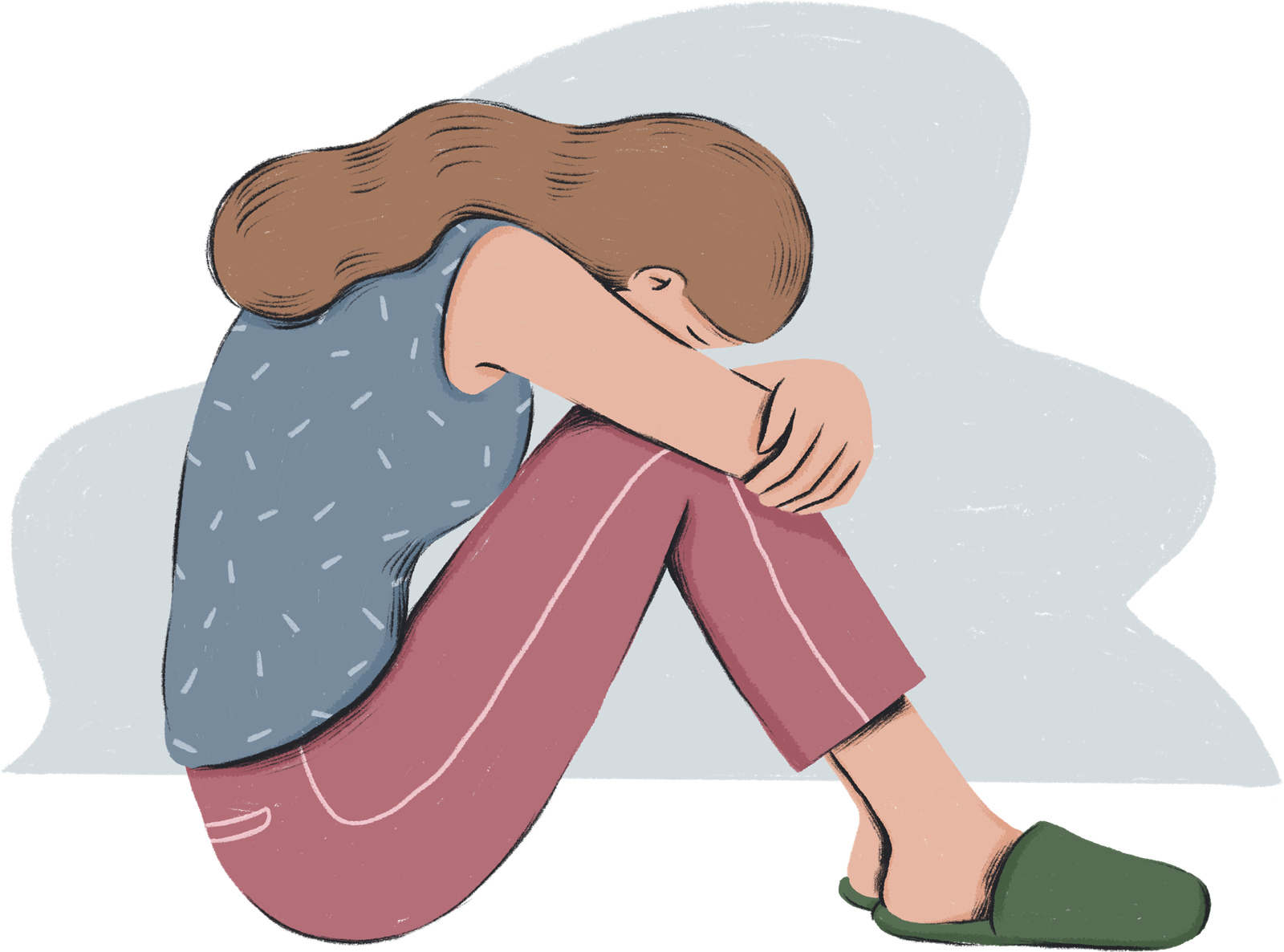
Seasonal affective disorder (SAD) is a type of depression that follows a seasonal pattern, usually starting in late fall and lifting in spring. In Edmonton, where midwinter days have fewer than eight hours of daylight, many people notice lower energy and mood. SAD goes beyond the winter blues: it brings weeks of low mood, oversleeping, carbohydrate cravings, withdrawal and difficulty functioning. Light therapy, counselling such as CBT, daily routines and, for some people, medication can make a real difference.
Key takeaways
- SAD is depression with a seasonal pattern, most often in fall and winter.
- Winter blues are milder and do not stop you functioning.
- Light therapy, CBT and regular routines are well-supported treatments.
- Talk to your doctor before starting light therapy, especially if you have eye conditions or bipolar disorder.
- Planning ahead in early fall can reduce the impact.
Signs of seasonal affective disorder
- Low mood most of the day, nearly every day, for weeks
- Loss of interest in activities you usually enjoy
- Sleeping much more and still feeling tired
- Craving carbohydrates and gaining weight
- Withdrawing from friends and family, “hibernating”
- Trouble concentrating and feeling heavy or slowed down
- Feelings of hopelessness or worthlessness
The key feature is the pattern: symptoms return around the same time each year and ease when daylight increases.
Winter blues vs SAD
Many Albertans feel a bit flatter in winter. That is normal. The winter blues are mild, come and go, and do not stop you working, parenting or enjoying life. SAD is more intense, lasts weeks and makes everyday life feel like a struggle. If you are unsure, a doctor or counsellor can help you tell the difference.
Why it happens
Shorter days and less sunlight can disrupt your body clock, lower serotonin and increase melatonin, affecting mood, sleep and energy. Cold weather, slippery roads and darkness also reduce activity and social contact, which can deepen low mood. Newcomers from warmer, sunnier countries may find their first Edmonton winters especially hard.
What helps
Light therapy
Using a bright light box, commonly 10,000 lux for about 20 to 30 minutes each morning, is a well-researched treatment for SAD. Speak with your doctor before starting, especially if you have eye problems, take medications that increase light sensitivity, or have a history of bipolar disorder.
Counselling
CBT adapted for SAD helps you notice winter-related thinking patterns, such as “there is no point doing anything until spring,” and plan activities that protect your mood. Research suggests its benefits may last into following winters.
Daily habits
- Get outside in daylight, ideally in the morning, even on cloudy days
- Keep a regular sleep and wake time, even on weekends
- Move your body, indoors or out, such as a mall walk or a recreation centre
- Plan social contact, weekly calls, coffee or classes
- Schedule enjoyable activities in advance, so winter has things to look forward to
- Eat regular, balanced meals and limit alcohol
Medication
For moderate to severe SAD, a doctor may recommend antidepressant medication, sometimes starting before symptoms usually begin.
Plan ahead for winter
If you know winter is hard, start in September or October: set up your light box, book counselling, plan activities and tell someone you trust what to watch for.
When to get help
Talk to a doctor or counsellor if low mood lasts more than two weeks, affects work or relationships, or comes with thoughts of hopelessness. If you are thinking about suicide, call or text 9-8-8 or call 911.
At Disha, depression therapy and online counselling make it easier to get support during the darkest months, without driving on icy roads. See also signs of depression in adults.
Talk to a Registered Clinical Social Worker
Winter weighing on you? Book online or in-person counselling in Edmonton and get support through the dark months.
Frequently asked questions
Is seasonal affective disorder real?
Yes. SAD is a recognized pattern of depression that returns at the same time each year, most often in fall and winter.
Does light therapy work?
Research supports bright light therapy for many people with SAD. Check with your doctor before starting.
Can counselling help with SAD?
Yes. CBT adapted for SAD is an effective treatment and may help prevent symptoms in future winters.
When does SAD usually start?
Often in October or November, easing by March or April, though timing varies.
Is vitamin D helpful?
Many Canadians have low vitamin D in winter. Ask your doctor whether testing or a supplement is right for you.
Disha Counselling & Wellness Centre is at 3818A 97 St NW #203, Edmonton, AB T6E 6N2, and offers online counselling across Alberta. Find us on Psychology Today and eMentalHealth.ca, watch short videos on YouTube and TikTok, or follow us on Instagram, LinkedIn and Facebook.
Reviewed by Mukesh Mishra, MSW, RCSW, Registered Clinical Social Worker and ACSW-approved RCSW supervisor at Disha Counselling & Wellness Centre. This article is general information and is not a substitute for individual professional advice.
Ready to talk to someone?
If what you've just read sounds familiar, we are here to help. Explore Depression Therapy in Edmonton or book a free 15-minute consultation with Disha Counselling & Wellness Centre.
Book a Consultation
It’s easy and free!

Mukesh Mishra, MSW, RCSW
Mukesh Mishra, MSW, RCSW, is a Registered Clinical Social Worker in Alberta at Disha Counselling & Wellness Centre in Edmonton. He provides trauma-informed, culturally responsive counselling in English, Hindi, Nepali, Punjabi and Urdu, using CBT, EMDR, DBT and the Gottman Method, and is an ACSW-approved RCSW supervisor for social workers.