Couples often wait years before getting help. Nine signs it is time for couples counselling, and what counselling can do when divorce is on the table.
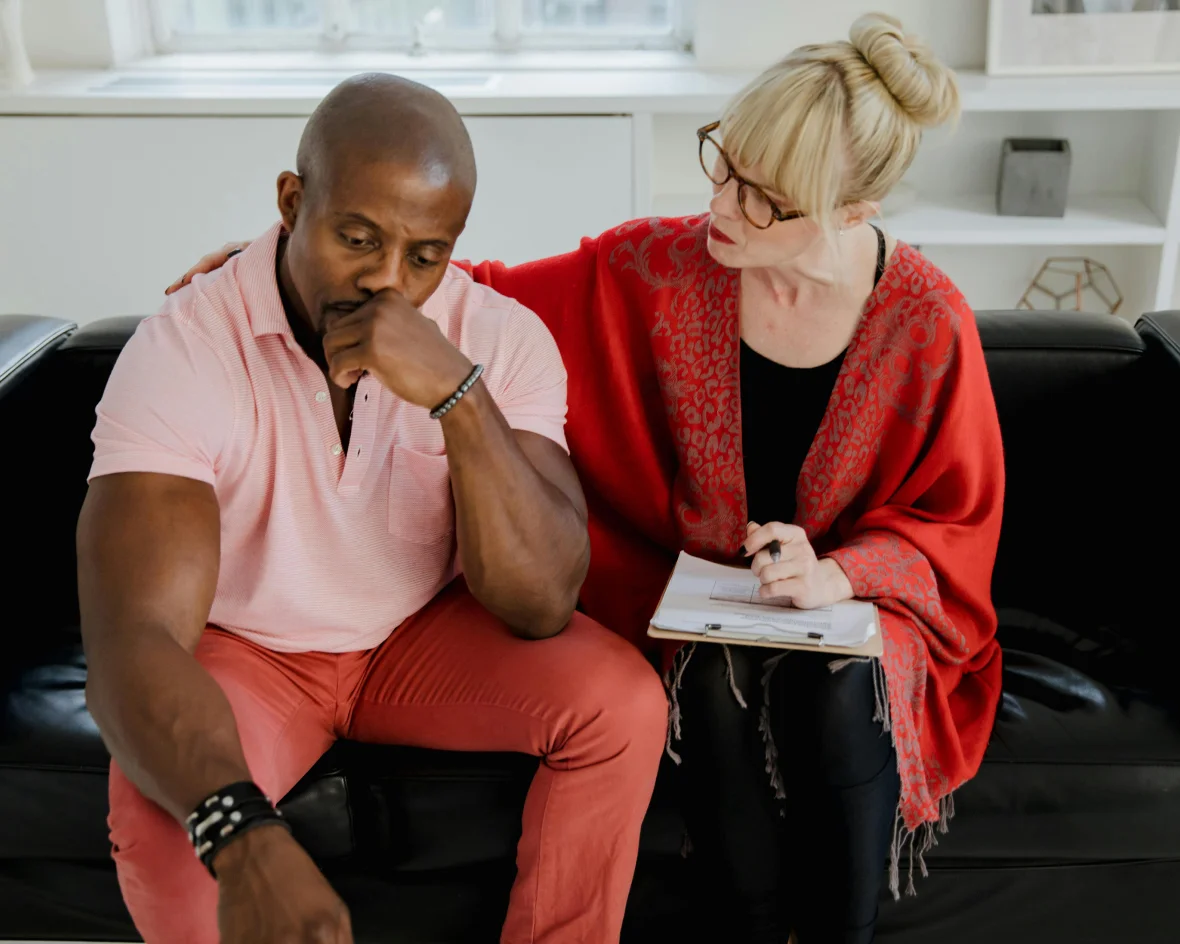
Couples benefit from counselling whenever the same problems keep coming back, communication keeps breaking down, or one or both partners feel distant, unheard or unsure about the future. You do not need to be in crisis. Many couples come in to prepare for a big change, such as marriage, a baby or a move, or to repair trust after a hurt. Gottman’s research is often cited as finding that couples wait around six years after problems begin before seeking help. Earlier is easier, but it is rarely too late to try.
Key takeaways
- Repeated arguments, emotional distance and loss of trust are the most common reasons couples seek counselling.
- You do not need to wait for a crisis. Counselling works best before resentment hardens.
- If one partner will not attend, individual counselling can still change the relationship.
- Couples unsure about divorce can try discernment counselling to decide with clarity.
- Counselling is not appropriate as a first step when there is ongoing abuse. Safety comes first.
In this article
9 signs it may be time for couples counselling
- The same argument keeps happening. Different topic, same fight, same ending.
- Conversations turn into criticism or defensiveness. Or one person shuts down completely. These patterns are described in our article on the Four Horsemen.
- You feel like roommates. Life runs smoothly, but there is little affection, fun or real conversation.
- Intimacy has faded. Sex has dropped off or become a source of tension.
- Trust has been broken. Through an affair, secrecy, financial dishonesty or broken promises.
- A major life change is straining you. A new baby, job loss, illness, immigration or caring for parents.
- Family is involved in the relationship. In-laws, extended family or cultural expectations create pressure you cannot resolve together.
- You avoid talking about important things. Money, children, the future or problems feel too risky to raise.
- One of you is thinking about leaving. Even if you have not said it out loud.
If several of these sound familiar, counselling can help you understand what is happening and what to do next.
What happens in couples counselling
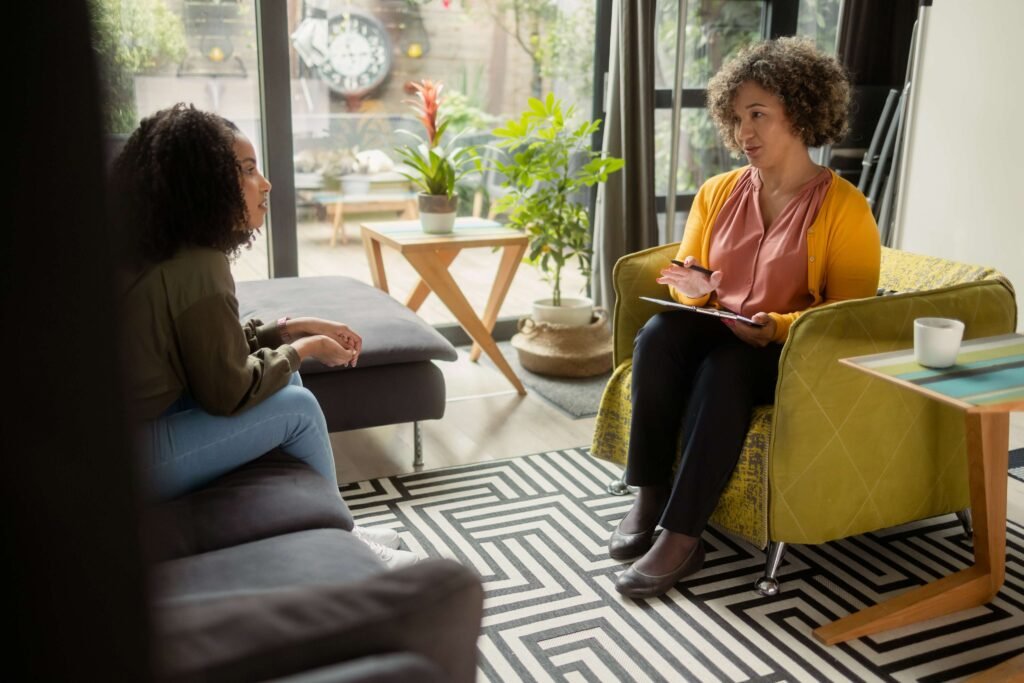
Most couples counselling begins with a joint session, sometimes followed by one individual session with each partner. Your counsellor will ask about your history, what is working and what is not, and what each of you hopes for. From there, sessions focus on:
- Understanding the patterns that keep conflict going
- Learning to raise concerns without blame, and to listen without defending
- Rebuilding friendship, appreciation and affection
- Working through specific issues such as trust, intimacy, parenting or family boundaries
At Disha, couples counselling in Edmonton draws on the Gottman Method and other evidence-based approaches, in person or online.
What if my partner will not go?
This is common. Some partners worry about being blamed, feel embarrassed or do not believe counselling works. Some ideas:
- Frame it as an investment in the relationship, not a judgment of one person.
- Suggest a fixed number of sessions to try it out.
- Offer online sessions, which some people find less intimidating.
- Start on your own. Individual counselling can help you change your side of the pattern, and partners sometimes join later.
Is it too late? Counselling when you are considering divorce
Many couples arrive with one partner leaning out and the other hoping to stay. In that situation, regular couples counselling can stall, because the two people want different things.
Discernment counselling was developed for exactly this. It is short-term, usually one to five sessions, and the goal is not to fix the relationship yet. It helps each partner understand how the relationship got here and their own part in it, then choose one of three paths:
- Stay as things are for now
- Separate or divorce
- Commit to a defined period of couples counselling with divorce off the table
Even if you decide to separate, that clarity often makes the process calmer, especially when children are involved. Our separation and divorce counselling supports people and co-parents through that path.
When couples counselling is not the right first step
If there is physical violence, threats, coercive control or fear in the relationship, joint counselling can increase risk. Individual support and a safety plan come first. In Alberta, you can call the Family Violence Info Line at 310-1818, available 24 hours a day in many languages. In an emergency, call 911.
Couples counselling also works best when ongoing affairs have ended and serious addiction is being addressed. Our infidelity and affair recovery counselling and addiction recovery support can help with those first.
Culture, family and couples counselling
For many couples, the relationship includes parents, in-laws and community. Decisions about where to live, how to raise children or how to handle money may involve extended family. A culturally responsive counsellor will not assume one way is right. They help you and your partner agree on your own boundaries while respecting the family relationships that matter to you. Sessions are available in English, Hindi, Nepali, Punjabi and Urdu.
Talk to a Registered Clinical Social Worker
Ready to work on your relationship? Book couples counselling in Edmonton or online, or start with a free 15-minute consultation.
Frequently asked questions
How do I know if we need couples counselling?
If the same conflicts keep repeating, you feel disconnected, trust has been broken or one of you is thinking about leaving, counselling can help. You do not need to wait for a crisis.
Can couples counselling save a marriage?
Many couples improve their relationship through counselling, especially when both partners take part and start before resentment builds. No counsellor can guarantee an outcome, but counselling gives you the best chance to decide with clarity.
How many sessions of couples counselling do we need?
It depends on your goals. Some couples see change in 6 to 12 sessions. Deeper issues, such as recovering from an affair, often take longer.
Is couples counselling covered by insurance?
Many extended health plans cover counselling with a Registered Clinical Social Worker, including couples sessions. Check your plan’s details.
Can we do couples counselling online?
Yes. Online sessions work well for many couples and are available anywhere in Alberta. You can join from the same room or from different locations.
Disha Counselling & Wellness Centre is at 3818A 97 St NW #203, Edmonton, AB T6E 6N2, and offers online counselling across Alberta. Find us on Psychology Today and eMentalHealth.ca, watch short videos on YouTube and TikTok, or follow us on Instagram, LinkedIn and Facebook.
Reviewed by Mukesh Mishra, MSW, RCSW, Registered Clinical Social Worker and ACSW-approved RCSW supervisor at Disha Counselling & Wellness Centre. Last updated October 1, 2026. This article is general information and is not a substitute for individual professional advice.
Ready to talk to someone?
If what you've just read sounds familiar, we are here to help. Explore Our Counselling Services or book a free 15-minute consultation with Disha Counselling & Wellness Centre.
Book a Consultation
It’s easy and free!

Mukesh Mishra, MSW, RCSW
Mukesh Mishra, MSW, RCSW, is a Registered Clinical Social Worker in Alberta at Disha Counselling & Wellness Centre in Edmonton. He provides trauma-informed, culturally responsive counselling in English, Hindi, Nepali, Punjabi and Urdu, using CBT, EMDR, DBT and the Gottman Method, and is an ACSW-approved RCSW supervisor for social workers.