Loneliness is a common human signal, not proof that something is wrong with you. Learn why it happens and practical, gentle ways to feel more connected.
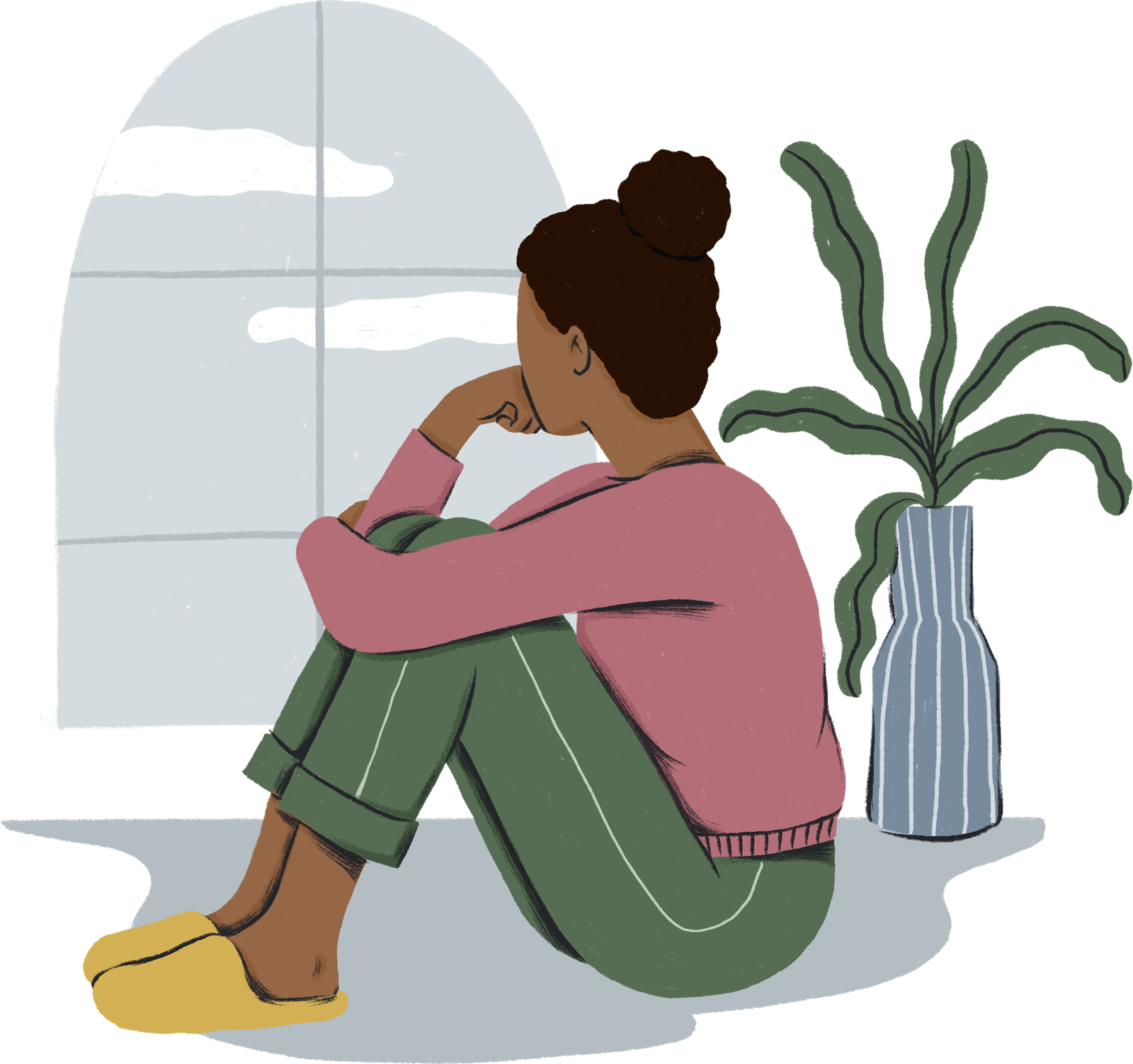
Loneliness is the painful gap between the connection you have and the connection you need. It is not the same as being alone. You can feel lonely in a full house, a busy office or a marriage, and feel content on your own. Loneliness is a normal human signal, much like hunger, telling you that a need for closeness or belonging is not being met. It is not a sign that you are unlikeable or broken. Understanding where it comes from makes it easier to respond with care instead of blame.
Key takeaways
- Loneliness is about the quality of connection, not the number of people around you.
- Life changes such as moving, a breakup, a new baby, retirement or grief often trigger it.
- Long-lasting loneliness can affect sleep, mood and physical health.
- Loneliness can make people more cautious socially, which can keep the cycle going.
- Small, regular steps toward connection work better than waiting to feel ready.
Why loneliness is not a personal failure
Many people quietly assume loneliness means something is wrong with them. In reality it usually follows circumstances:
- Moving to a new city or country and leaving family and friends behind
- Relationship changes such as separation, divorce or a partner’s long work hours
- Life stages like becoming a parent, an empty nest or retirement
- Loss and grief, including the death of a loved one or a friendship that faded
- Health and disability that limit getting out
- Shift work, remote work or long commutes that cut into social time
These are situations, not character flaws. Seeing loneliness this way takes some of the shame out of it.
Different types of loneliness
- Emotional loneliness: missing a close confidant, someone who really knows you.
- Social loneliness: missing a wider circle, such as friends, neighbours or a community to belong to.
- Cultural loneliness: feeling that no one around you shares your language, food, faith, humour or way of seeing the world. This is common for immigrants, international students and people living away from their communities.
You can have one without the others. Someone with a loving partner may still miss a group of friends. Someone with many coworkers may have no one to confide in.
How loneliness affects mind and body
Short-term loneliness can motivate us to reach out. When it lasts for months or years, it can:
- Disrupt sleep and increase stress
- Raise the risk of depression and anxiety
- Make people more alert to rejection and more cautious in social situations
That last point matters. Chronic loneliness can make people read neutral faces as unfriendly or hold back from invitations, which then leads to more isolation. Noticing this pattern is the first step to breaking it.
Loneliness for newcomers and people far from family
If you have moved to Alberta from another country or province, loneliness can be layered. You may miss family events back home, feel guilty for leaving, or carry pressure to show everyone that the move was worth it. Some people grieve a loved one from far away. Our article on grieving a loved one back home speaks to that experience.
Cultural loneliness can ease when you find even one or two people who share your language or background, alongside new connections here. Settlement agencies, faith communities, cultural associations and community leagues are good places to start. You can also call or text 211 Alberta to find local programs. If settling in is weighing heavily, immigrant and newcomer counselling can help.
Gentle ways to feel more connected
- Start small and regular. A weekly class, walking group or volunteer shift builds familiarity, and familiarity grows into friendship over time.
- Reach out first, briefly. A two-line message to an old friend counts. Most people are glad to hear from you.
- Go deeper with someone you already know. Share something real. Closeness grows from small moments of honesty.
- Join around an interest. Shared activities, such as sports, cooking, prayer, music or gardening, take pressure off conversation.
- Be kind to your expectations. It takes time and repeated contact to build new friendships. Slow progress is normal.
- Notice self-critical thoughts. “Nobody wants to hear from me” is a feeling, not a fact. Try testing it gently.
- Care for the basics. Sleep, daylight and movement make social energy easier to find.
When to talk to someone
Consider counselling if loneliness:
- Has lasted for months and is not easing
- Comes with low mood, hopelessness or loss of interest
- Is tied to social anxiety that makes connection feel frightening
- Follows a loss, breakup or move you are struggling to adjust to
Counselling can help you understand what is keeping you stuck, build confidence and practise new ways of connecting. Our social anxiety therapy and individual counselling are good starting points. You might also find our article on emotional intelligence helpful for understanding and naming what you feel.
Talk to a Registered Clinical Social Worker
Feeling disconnected? Talk with a counsellor in English, Hindi, Nepali, Punjabi or Urdu, in person in Edmonton or online across Alberta.
Frequently asked questions
Is it normal to feel lonely even with people around me?
Yes. Loneliness is about how connected and understood you feel, not how many people are nearby. Many people feel lonely in relationships, families or busy workplaces.
Can loneliness cause depression?
Long-lasting loneliness is linked with a higher risk of depression and anxiety. If low mood lasts more than two weeks or affects daily life, talk to your doctor or a counsellor.
How do I make friends as an adult in Edmonton?
Repeated, low-pressure contact works best: classes, volunteer roles, community leagues, faith or cultural groups and interest-based clubs. 211 Alberta can help you find programs.
Can counselling help with loneliness?
Yes. Counselling offers connection in itself and helps you work through what is getting in the way, such as anxiety, grief, low confidence or a big life change.
What if I feel completely alone and unsafe?
If you are in crisis or thinking about suicide, call or text 9-8-8 any time, or call 911. In Edmonton, the Distress Line is also available at 780-482-4357.
Disha Counselling & Wellness Centre is at 3818A 97 St NW #203, Edmonton, AB T6E 6N2, and offers online counselling across Alberta. Find us on Psychology Today and eMentalHealth.ca, watch short videos on YouTube and TikTok, or follow us on Instagram, LinkedIn and Facebook.
Reviewed by Mukesh Mishra, MSW, RCSW, Registered Clinical Social Worker and ACSW-approved RCSW supervisor at Disha Counselling & Wellness Centre. Last updated October 1, 2026. This article is general information and is not a substitute for individual professional advice.
Ready to talk to someone?
If what you've just read sounds familiar, we are here to help. Explore Our Counselling Services or book a free 15-minute consultation with Disha Counselling & Wellness Centre.
Book a Consultation
It’s easy and free!

Mukesh Mishra, MSW, RCSW
Mukesh Mishra, MSW, RCSW, is a Registered Clinical Social Worker in Alberta at Disha Counselling & Wellness Centre in Edmonton. He provides trauma-informed, culturally responsive counselling in English, Hindi, Nepali, Punjabi and Urdu, using CBT, EMDR, DBT and the Gottman Method, and is an ACSW-approved RCSW supervisor for social workers.