Searching for a therapist in Edmonton can feel overwhelming. Here is a simple, step-by-step way to find someone qualified, affordable and right for you.

Finding a therapist in Edmonton comes down to five steps: get clear on what you want help with, check that the person is registered with an Alberta regulatory college, confirm cost and coverage, decide between in-person and online sessions, and book a short consultation to see whether the fit feels right. You do not need a referral to see a private counsellor, and it is perfectly fine to speak to more than one person before you decide.
Key takeaways
- Start with your goals: what you want to feel or do differently.
- Check registration with an Alberta college, such as ACSW or the College of Alberta Psychologists.
- Ask about fees, direct billing, NIHB, IFHP and sliding scale options before booking.
- Online therapy works well for many concerns and widens your choice.
- Fit matters. A free consultation helps you decide.
Step 1: Get clear on what you want help with
You do not need a diagnosis. A few notes are enough, for example: “I cannot stop worrying,” “my partner and I keep fighting,” “I am struggling since my father died” or “I need an assessment for court.” This helps you look for someone with relevant experience, such as anxiety therapy, couples counselling, grief counselling or a specific assessment.
Step 2: Check credentials
In Alberta, look for professionals registered with a regulatory college:
- Registered Social Workers (RSW) and Registered Clinical Social Workers (RCSW): Alberta College of Social Workers
- Psychologists: College of Alberta Psychologists
- Psychiatrists: College of Physicians and Surgeons of Alberta
Registration means the person meets education and practice standards and is accountable to a complaints process. Our guide to the difference between therapists, psychologists and psychiatrists explains each role.
Step 3: Sort out cost and coverage
- Check your extended health benefits for which professionals are covered and your annual limit.
- Ask whether the practice direct bills your insurer.
- If you are an eligible First Nations or Inuit person, ask about NIHB. If you are a refugee claimant, ask about IFHP.
- If money is tight, ask about a sliding scale.
See free and low-cost counselling in Edmonton for every option.
Step 4: Decide on in person or online
In-person sessions suit people who want a separate, private space away from home. Online sessions save travel time, help during Edmonton winters and let you see any registered provider in Alberta. Research shows online counselling can be as effective as in-person sessions for many concerns. See online counselling.
Step 5: Look for the right fit
The relationship with your therapist is one of the strongest predictors of progress. Things that can matter:
- Language: being able to speak in Hindi, Punjabi, Urdu, Nepali or another first language
- Culture and faith: someone who understands your family and values
- Identity: an LGBTQ2S+ affirming counsellor
- Approach: structured skills, such as CBT, or more exploratory conversation
- Practical details: location, evening availability and wait times
Questions to ask in a free consultation
- What experience do you have with concerns like mine?
- What approach would you use, and what might sessions look like?
- How will we know if counselling is helping?
- What are your fees and cancellation policy?
Where to look in Edmonton
- Practice websites, which usually list services, languages and fees
- Directories such as Psychology Today and eMentalHealth.ca
- Your doctor, EFAP provider or community agency
- Recommendations from people you trust
What if it does not feel right?
It is fine to change. Mention it to your therapist, who may adjust their approach, or try someone else. Finding the right person is part of the process, not a failure.
Talk to a Registered Clinical Social Worker
Looking for a therapist in Edmonton? Book a free 15-minute consultation to ask your questions and see if we are the right fit.
Frequently asked questions
Do I need a referral to see a therapist in Edmonton?
No. You can book directly with a private counsellor, social worker or psychologist. Some insurance plans ask for a referral before reimbursing, so check yours.
How much does a therapist cost in Edmonton?
Fees vary by profession and practice. Many people use extended health benefits. NIHB, IFHP, EFAPs and sliding scale fees can reduce or remove the cost.
How long are waitlists?
Private practices often have openings within one to two weeks. Public services may have longer waits.
Can I see a therapist online in Alberta?
Yes. Registered professionals can provide secure video counselling to clients anywhere in Alberta.
What if I need help urgently?
Counselling is not an emergency service. In a crisis, call or text 9-8-8, call 911, or call Access 24/7 at 780-424-2424 in Edmonton.
Disha Counselling & Wellness Centre is at 3818A 97 St NW #203, Edmonton, AB T6E 6N2, and offers online counselling across Alberta. Find us on Psychology Today and eMentalHealth.ca, watch short videos on YouTube and TikTok, or follow us on Instagram, LinkedIn and Facebook.
Reviewed by Mukesh Mishra, MSW, RCSW, Registered Clinical Social Worker and ACSW-approved RCSW supervisor at Disha Counselling & Wellness Centre. This article is general information and is not a substitute for individual professional advice.
Ready to talk to someone?
If what you've just read sounds familiar, we are here to help. Explore Our Counselling Services or book a free 15-minute consultation with Disha Counselling & Wellness Centre.
Book a Consultation
It’s easy and free!
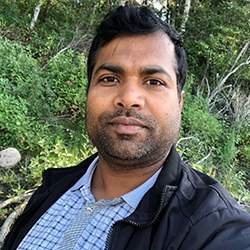
Mukesh Mishra, MSW, RCSW
Mukesh Mishra, MSW, RCSW, is a Registered Clinical Social Worker in Alberta at Disha Counselling & Wellness Centre in Edmonton. He provides trauma-informed, culturally responsive counselling in English, Hindi, Nepali, Punjabi and Urdu, using CBT, EMDR, DBT and the Gottman Method, and is an ACSW-approved RCSW supervisor for social workers.