New to Canada? A practical guide to mental health for immigrants, refugees and their families in Alberta: what is normal, how counselling works and where to get help.
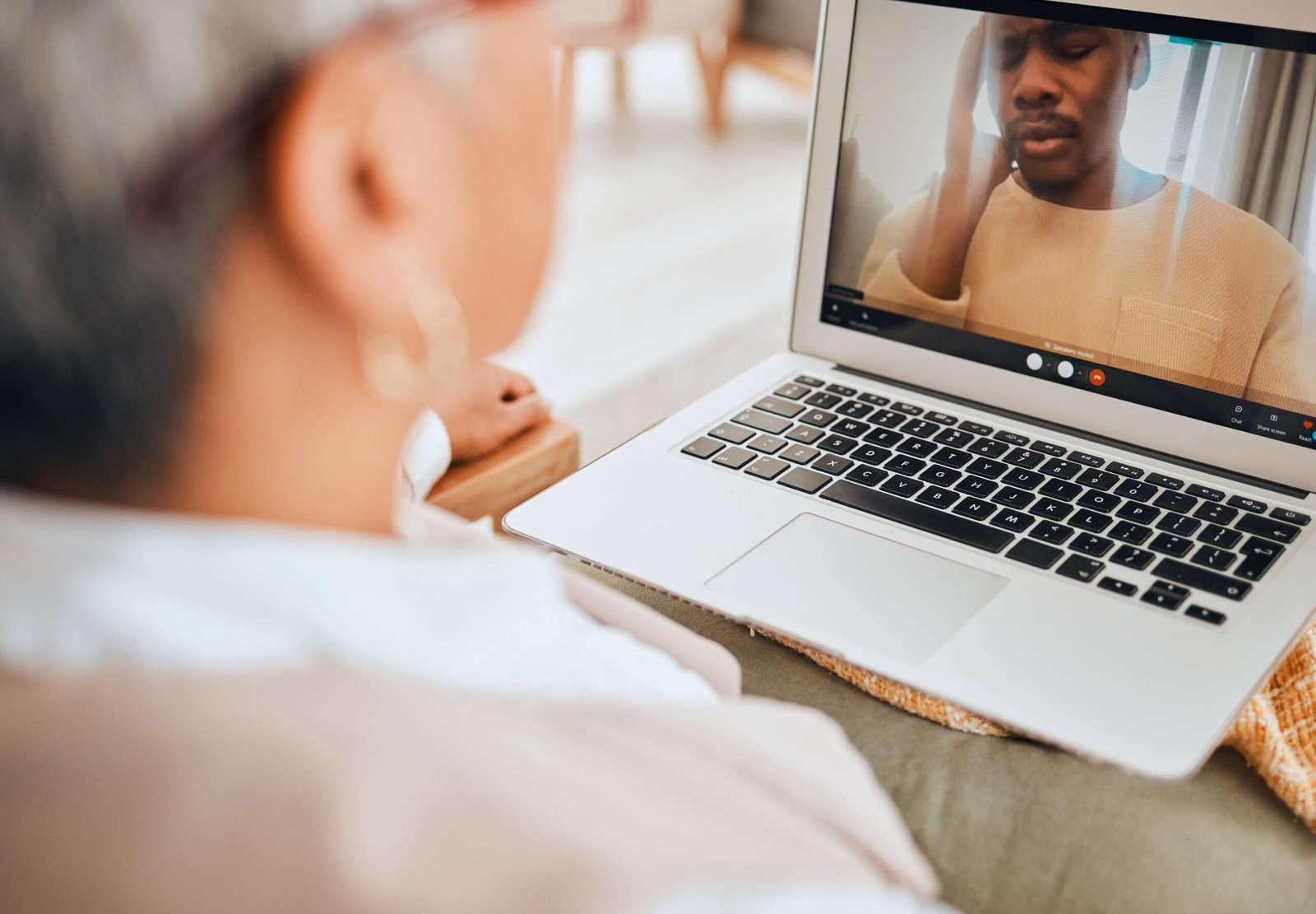
Moving to a new country is one of the most stressful life changes a person can make, even when it is a hopeful choice. Many newcomers to Alberta experience loneliness, money pressure, culture shock, job stress and changes in family roles. Some also carry trauma from war, persecution or a difficult journey. These reactions are understandable, and help is available. In Alberta you can see a counsellor without a referral, counselling is confidential, and free or low-cost options exist through IFHP, workplace benefits and sliding scale fees.
Key takeaways
- Settlement stress is common and is not a sign of weakness or failure.
- Counselling in Canada is confidential and separate from immigration processes.
- Eligible refugees and refugee claimants can access counselling through IFHP.
- You can find counselling in your own language, including Hindi, Punjabi, Urdu and Nepali.
- Crisis help is free and available 24 hours a day: call or text 9-8-8.
Common stresses after moving to Canada
- Loneliness: missing family, friends and familiar food, language and festivals
- Work and money: credential recognition, underemployment, survival jobs and sending money home
- Culture shock: different social norms, weather and systems
- Family changes: shifting roles between partners, and children adapting faster than parents
- Grief from far away: missing births, weddings and funerals back home
- Discrimination: racism or being treated as an outsider
- Past trauma: war, violence or persecution before or during migration
Signs you might benefit from support
- Ongoing worry, sadness or irritability lasting more than a few weeks
- Trouble sleeping, or nightmares
- Feeling hopeless, isolated or numb
- Increased conflict at home
- Using alcohol or other substances to cope
- Physical symptoms, such as headaches or stomach pain, without a clear medical cause
How counselling works in Canada
- No referral needed for private counsellors, social workers or psychologists.
- Confidential: counsellors do not share information with immigration authorities, employers or family without your consent, except for limited legal reasons such as serious risk of harm or child safety concerns.
- Registered professionals: look for registration with a regulatory college, such as the Alberta College of Social Workers.
- Talk-based: sessions are conversations focused on your goals, usually 50 minutes.
- Your pace: you choose what to talk about.
Our article on what to expect in your first session explains more.
Paying for counselling
- Alberta Health Care covers doctors and hospital care but not private counselling.
- IFHP: eligible refugees and refugee claimants can receive counselling at no cost.
- Workplace and student benefits: many plans cover counselling.
- Sliding scale: reduced fees for low income or hardship at some practices, including Disha.
See free and low-cost counselling in Edmonton.
Counselling in your language
Speaking in your first language can make it easier to explain feelings and be understood. At Disha, counselling is available in English, Hindi, Punjabi, Urdu and Nepali. See counselling in Hindi and South Asian counselling in Edmonton.
Supporting your family
- Keep family routines and traditions that bring comfort
- Talk openly with children about the move and their feelings
- Expect children to adapt at a different pace, and stay curious about their world
- Look after your own wellbeing, too
Our Parenting Across Cultures Group and family therapy can help.
Where to get help in Alberta
- Emergency: call 911
- Crisis line: call or text 9-8-8, any time
- Health advice: Health Link at 811
- Alberta Mental Health Help Line: 1-877-303-2642, 24 hours a day
- Community services: call or text 211
- Settlement agencies: help with language, jobs, housing and navigating services
- Counselling at Disha: immigrant and newcomer counselling and our Newcomer Support Group
Talk to a Registered Clinical Social Worker
New to Canada and finding it hard? Talk with a counsellor in your language, in person in Edmonton or online across Alberta.
Frequently asked questions
Will seeing a counsellor affect my immigration application?
No. Counselling is confidential and separate from immigration processes. Information is not shared without your consent, except for limited legal reasons explained at the start.
Can refugee claimants get free counselling?
Yes, with active IFHP coverage. Bring your IFHP certificate or Refugee Protection Claimant Document.
Is it normal to feel sad after moving to a new country?
Yes. Grief, loneliness and stress are common after migration. If they last or interfere with daily life, support can help.
Can I get counselling in Punjabi or Hindi in Edmonton?
Yes. Counselling at Disha is available in Hindi, Punjabi, Urdu, Nepali and English.
Do I need a doctor’s referral?
No. You can book directly with a private counsellor.
Disha Counselling & Wellness Centre is at 3818A 97 St NW #203, Edmonton, AB T6E 6N2, and offers online counselling across Alberta. Find us on Psychology Today and eMentalHealth.ca, watch short videos on YouTube and TikTok, or follow us on Instagram, LinkedIn and Facebook.
Reviewed by Mukesh Mishra, MSW, RCSW, Registered Clinical Social Worker and ACSW-approved RCSW supervisor at Disha Counselling & Wellness Centre. This article is general information and is not a substitute for individual professional advice.
Ready to talk to someone?
If what you've just read sounds familiar, we are here to help. Explore Our Counselling Services or book a free 15-minute consultation with Disha Counselling & Wellness Centre.
Book a Consultation
It’s easy and free!
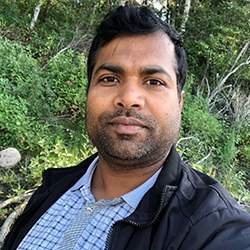
Mukesh Mishra, MSW, RCSW
Mukesh Mishra, MSW, RCSW, is a Registered Clinical Social Worker in Alberta at Disha Counselling & Wellness Centre in Edmonton. He provides trauma-informed, culturally responsive counselling in English, Hindi, Nepali, Punjabi and Urdu, using CBT, EMDR, DBT and the Gottman Method, and is an ACSW-approved RCSW supervisor for social workers.