Key pre-marital counselling questions on money, family, conflict, faith and children to help Edmonton couples build a strong foundation before marriage.

Planning a wedding involves countless decisions: venues, guest lists, outfits, food. Yet the most important preparation often gets the least attention: preparing for the marriage itself. Pre-marital counselling gives couples a structured space to explore the conversations that will shape their life together.
Whether you are planning a small ceremony in Edmonton or a large multi-day celebration with family from around the world, these questions can help you build a strong foundation.
Quick answer: Pre-marital counselling helps couples discuss expectations before marriage. Key questions cover money, family involvement, children and parenting, conflict styles, roles and household tasks, faith and culture, intimacy, career goals and how you will handle future challenges. Talking about these early can prevent misunderstandings and build lasting teamwork.
Key Takeaways
- Pre-marital counselling is for healthy couples, not only struggling ones.
- Money, family, children and conflict are core topics to explore.
- Disagreement is normal; the goal is understanding and a plan.
- Cultural and faith traditions deserve open discussion, especially in intercultural couples.
- A counsellor can guide difficult conversations safely.
What Is Pre-Marital Counselling?
Pre-marital counselling is a short series of sessions with a trained counsellor before marriage. It focuses on communication, expectations and skills for handling conflict. Many approaches draw on Gottman research on what helps relationships last, as well as cognitive behavioural strategies for managing stress.
It is not about finding problems. It is about understanding each other more deeply and creating shared plans.
Questions Every Couple Should Ask Before Marriage
Money and Finances
- How did your family handle money growing up?
- Will we combine finances, keep them separate or use a mix?
- What are our debts, and how will we manage them?
- How much do we want to save, and for what?
- Will we support family members financially, here or abroad?
Money is one of the most common sources of conflict. Talking openly now, including about supporting parents or sending money overseas, can prevent resentment later.
Family and In-Laws
- How involved do we expect our parents to be in our lives?
- Where will we spend holidays and festivals?
- Would we ever live with parents or care for them as they age?
- How will we handle disagreements with each other’s families?
Children and Parenting
- Do we want children? If so, how many and when?
- What values and traditions do we want to pass on?
- How will we approach discipline, education and screen time?
- What if we face fertility challenges?
Roles and Household Responsibilities
- Who will do which chores, and how will we decide?
- How will we balance two careers, if we both work?
- What did gender roles look like in our families, and what do we want?
Conflict and Communication
- How do you usually react when you’re upset?
- Do you need space during conflict, or do you prefer to talk it through?
- How will we repair after an argument?
- What topics are hardest for us to discuss?
Understanding whether each of you tends to pursue or withdraw during conflict can help you avoid painful cycles later.
Faith, Culture and Identity
- What role will religion or spirituality play in our home?
- How will we celebrate cultural and religious traditions?
- If we come from different backgrounds, how will we honour both?
Intimacy and Affection
- How do we each like to give and receive affection?
- What are our expectations about physical intimacy?
- How will we keep connection alive during busy seasons?
Career, Location and Future Goals
- Where do we want to live in five or ten years?
- Would either of us relocate for work?
- What personal goals matter most to each of us?
Handling Hard Times
- How will we support each other through illness, job loss or grief?
- When would we seek outside help, such as counselling?
How to Use These Questions
Choose a few topics at a time rather than trying to cover everything at once. Pick a calm, private setting. Listen to understand, not to win. If a conversation becomes heated, take a break and return later.
It is normal to discover differences. The aim is not perfect agreement, but understanding each other’s needs and finding workable compromises.
Why Work With a Counsellor?
Some topics feel too sensitive to explore alone, particularly around family expectations, finances or past relationships. A counsellor provides a neutral guide, helps each partner feel heard and teaches practical communication skills. Couples counselling in Edmonton can be tailored for engaged couples, and intercultural couples may value a counsellor who understands blending traditions.
If one partner carries anxiety about commitment or past relationship hurt, individual counselling can be a helpful addition.
How Disha Counselling Supports Engaged Couples
At Disha Counselling & Wellness Centre in South Edmonton, we help couples from many cultural and faith backgrounds prepare for marriage with clarity and confidence. Our counsellors respect your values and help you build skills you can rely on for years. Sessions are offered in person or online anywhere in Alberta. Explore more relationship resources on our blog.
A Closer Look: An Illustrative Example
Daniel and Simran were excited to marry, but their first pre-marital session uncovered something neither had discussed: Simran assumed her parents would eventually live with them, while Daniel had imagined a home of their own. Both felt surprised and a little hurt. Rather than arguing, the counsellor helped them explore what each expectation meant. For Simran, caring for her parents was an expression of love and duty deeply rooted in her family values. For Daniel, who grew up in a small household in rural Alberta, privacy felt essential to a healthy marriage. Over several conversations, they agreed to buy a home with a separate basement suite, discussed how they would handle caregiving as her parents aged and set expectations about visits. They also explored finances, faith and their differing conflict styles. By their wedding day, they said they felt more prepared, not because they agreed on everything, but because they knew how to talk.
This is a composite example created for illustration. It does not describe a real client.
Frequently Asked Questions
How many pre-marital counselling sessions do couples usually need?
Many couples attend a handful of sessions, but it depends on your goals and the topics you want to explore.
Is pre-marital counselling only for religious couples?
No. It is helpful for any couple, religious or not, who wants to prepare thoughtfully for marriage.
What if we discover a major disagreement?
That is valuable information. A counsellor can help you understand each other and decide how to move forward.
Can we do pre-marital counselling online?
Yes. Online sessions are a convenient option for busy couples or those living in different parts of Alberta.
Book Your Free 15-Minute Consultation
Ready to take the next step? Disha Counselling & Wellness Centre in South Edmonton offers a free 15-minute consultation so you can ask questions, share what you’re looking for and see whether our approach feels like the right fit. Sessions are available in person at our South Edmonton office or through secure online counselling anywhere in Alberta. Book your free consultation or contact our team today.
Our counsellors provide warm, culturally responsive and evidence-informed care for individuals, couples and families, drawing on approaches such as cognitive behavioural therapy (CBT), trauma-informed practice and Gottman-informed couples work where appropriate. Whatever you’re facing, you don’t have to face it alone.
If You Need Help Right Now
If you are in crisis or thinking about harming yourself, call or text 9-8-8 (Suicide Crisis Helpline), call the Alberta Mental Health Help Line at 1-877-303-2642, or call 911. For family violence support in Alberta, call 310-1818.
This article is for general educational purposes only and is not a substitute for professional diagnosis, treatment or advice. Please speak with a qualified health professional about your specific situation.
Ready to talk to someone?
If what you've just read sounds familiar, we are here to help. Explore Our Counselling Services or book a free 15-minute consultation with Disha Counselling & Wellness Centre.
Book a Consultation
It’s easy and free!
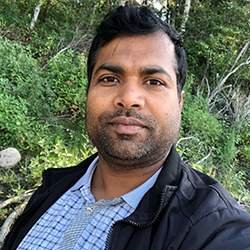
Mukesh Mishra, MSW, RCSW
Mukesh Mishra, MSW, RCSW, is a Registered Clinical Social Worker in Alberta at Disha Counselling & Wellness Centre in Edmonton. He provides trauma-informed, culturally responsive counselling in English, Hindi, Nepali, Punjabi and Urdu, using CBT, EMDR, DBT and the Gottman Method, and is an ACSW-approved RCSW supervisor for social workers.