Career change, relocation or a new life stage? Learn why transitions feel unsettling and practical ways to adjust, with counselling support in Edmonton.

A new job. A move across the country or across the world. A career change after years in one field. Retirement, divorce, becoming a parent or graduating. Life transitions, even exciting ones, can leave you feeling unsettled, anxious or unsure of who you are.
Many people expect positive changes to feel purely good. When they don’t, it can be confusing. Understanding why transitions are hard can help you move through them with more patience and confidence.
Quick answer: Major life transitions, such as career changes, relocation and identity shifts, can feel unsettling because they disrupt routines, relationships and your sense of self. Even positive changes involve loss. Helpful strategies include acknowledging mixed emotions, keeping some stable routines, setting small goals, staying connected, being patient with adjustment and seeking counselling support when stress or uncertainty feels overwhelming.
Key Takeaways
- Transitions involve both gains and losses, even when changes are positive.
- Feeling anxious, sad or unsure during change is normal.
- Identity often shifts during major life changes.
- Small routines and goals provide stability during uncertainty.
- Counselling can help you navigate transitions with clarity and resilience.
Why Life Transitions Feel So Hard
Change Disrupts Routines
Our daily routines provide structure and predictability. When they change, the brain must work harder to adapt, which can feel tiring.
Every Change Involves Loss
Even good changes mean leaving something behind: familiar people, places, roles or habits. Grief can accompany excitement.
Identity Is Challenged
Who am I if I’m no longer a nurse, a student, a married person or someone living in my hometown? Transitions can shake our sense of self.
Uncertainty Triggers Anxiety
Not knowing how things will turn out can activate worry and fear.
Others May Not Understand
Friends and family may expect you to be happy about a positive change, making it harder to share difficult feelings.
Common Types of Life Transitions
Career Changes
Changing fields, starting a business, being laid off or retiring can affect finances, self-esteem and daily structure.
Relocation
Moving to a new city, province or country means rebuilding routines, social networks and a sense of belonging. Newcomers to Edmonton may also navigate language, culture and climate changes.
Relationship Changes
Marriage, divorce, separation or becoming an empty nester can shift roles and priorities.
Becoming a Parent
Parenthood brings joy and profound changes in identity, sleep, relationships and work.
Health Changes
Illness, injury or aging can affect independence and self-image.
Identity Shifts
Exploring cultural identity, faith, sexuality or personal values can bring meaningful but challenging growth.
Signs a Transition Is Affecting You
- Feeling anxious, restless or overwhelmed.
- Sadness or grief for what’s been left behind.
- Trouble sleeping or concentrating.
- Feeling lost or unsure of your direction.
- Irritability or withdrawal from others.
- Doubting your decisions.
Practical Ways to Navigate Major Transitions
1. Acknowledge Mixed Emotions
Allow yourself to feel excited and scared, hopeful and sad. All of these feelings can coexist.
2. Keep Some Anchors
Maintain routines that bring stability, such as morning walks, regular meals, prayer or calls with loved ones.
3. Break Change Into Small Steps
Big transitions can feel overwhelming. Focus on one manageable step at a time.
4. Reflect on Your Values
Ask: “What matters most to me now? How can this change support those values?”
5. Build Connection
Reach out to friends, family, colleagues or community groups. In a new city, explore local programs, cultural groups or volunteering.
6. Be Patient With Adjustment
Settling into a major change often takes months. Avoid judging yourself for not adjusting faster.
7. Notice Your Strengths
Recall past transitions you’ve navigated successfully. What helped then?
8. Care for Your Body
Sleep, movement and nourishment support emotional resilience during demanding periods.
When Identity Feels Uncertain
Identity shifts can be unsettling but also offer opportunities for growth. Journaling, conversations with trusted people and counselling can help you explore who you are becoming. It’s okay not to have all the answers right away.
When to Seek Support
Consider counselling if a transition leaves you feeling stuck, anxious, low or unable to function as usual. Individual counselling in Edmonton can help you explore emotions and set goals. Anxiety therapy can address worry about the future, and cognitive behavioural therapy can help with unhelpful thoughts that keep you stuck. If a transition involves your relationship, couples counselling may help.
How Disha Counselling Can Help
Disha Counselling & Wellness Centre in South Edmonton supports people navigating career changes, relocation, family transitions and identity shifts. Our counsellors bring compassion and cultural understanding to every stage of change. Sessions are available in person or online across Alberta.
A Closer Look: An Illustrative Example
After 15 years as a teacher in Edmonton, Carlos decided to change careers and pursue web development. Friends were excited for him, but he felt anxious, unsure and, unexpectedly, sad. He missed his students and the identity he had built as a teacher. During his coding program, he often doubted his decision. In counselling, Carlos explored his mixed emotions. He realized that grieving his teaching career didn’t mean he had made the wrong choice. His counsellor helped him identify values that carried over, such as a love of learning and helping others, and find ways to honour them in his new path. Carlos kept routines that grounded him, such as morning runs and weekly dinners with friends. Within a year, he found a job at a tech company that developed educational software, combining his old and new passions.
This is a composite example created for illustration. It does not describe a real client.
Frequently Asked Questions
Why do positive changes still feel stressful?
Even positive changes involve loss, uncertainty and adjustment, which can trigger stress.
How long does it take to adjust to a major life change?
It varies. Many people need several months to a year to fully adjust.
Is it normal to question my decision after a big change?
Yes. Doubt is common during transitions and often eases as you settle in.
Can counselling help with life transitions?
Yes. Counselling can help you process emotions, clarify values and build coping strategies.
Book Your Free 15-Minute Consultation
Ready to take the next step? Disha Counselling & Wellness Centre in South Edmonton offers a free 15-minute consultation so you can ask questions, share what you’re looking for and see whether our approach feels like the right fit. Sessions are available in person at our South Edmonton office or through secure online counselling anywhere in Alberta. Book your free consultation or contact our team today.
Our counsellors provide warm, culturally responsive and evidence-informed care for individuals, couples and families, drawing on approaches such as cognitive behavioural therapy (CBT), trauma-informed practice and Gottman-informed couples work where appropriate. Whatever you’re facing, you don’t have to face it alone.
If You Need Help Right Now
If you are in crisis or thinking about harming yourself, call or text 9-8-8 (Suicide Crisis Helpline), call the Alberta Mental Health Help Line at 1-877-303-2642, or call 911. For family violence support in Alberta, call 310-1818.
This article is for general educational purposes only and is not a substitute for professional diagnosis, treatment or advice. Please speak with a qualified health professional about your specific situation.
Ready to talk to someone?
If what you've just read sounds familiar, we are here to help. Explore Our Counselling Services or book a free 15-minute consultation with Disha Counselling & Wellness Centre.
Book a Consultation
It’s easy and free!
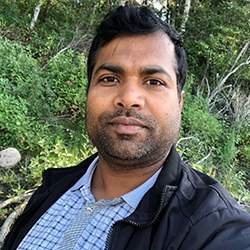
Mukesh Mishra, MSW, RCSW
Mukesh Mishra, MSW, RCSW, is a Registered Clinical Social Worker in Alberta at Disha Counselling & Wellness Centre in Edmonton. He provides trauma-informed, culturally responsive counselling in English, Hindi, Nepali, Punjabi and Urdu, using CBT, EMDR, DBT and the Gottman Method, and is an ACSW-approved RCSW supervisor for social workers.