Five simple grounding techniques for panic attacks you can use anywhere, why they work, and when to seek anxiety counselling in Edmonton, Alberta.
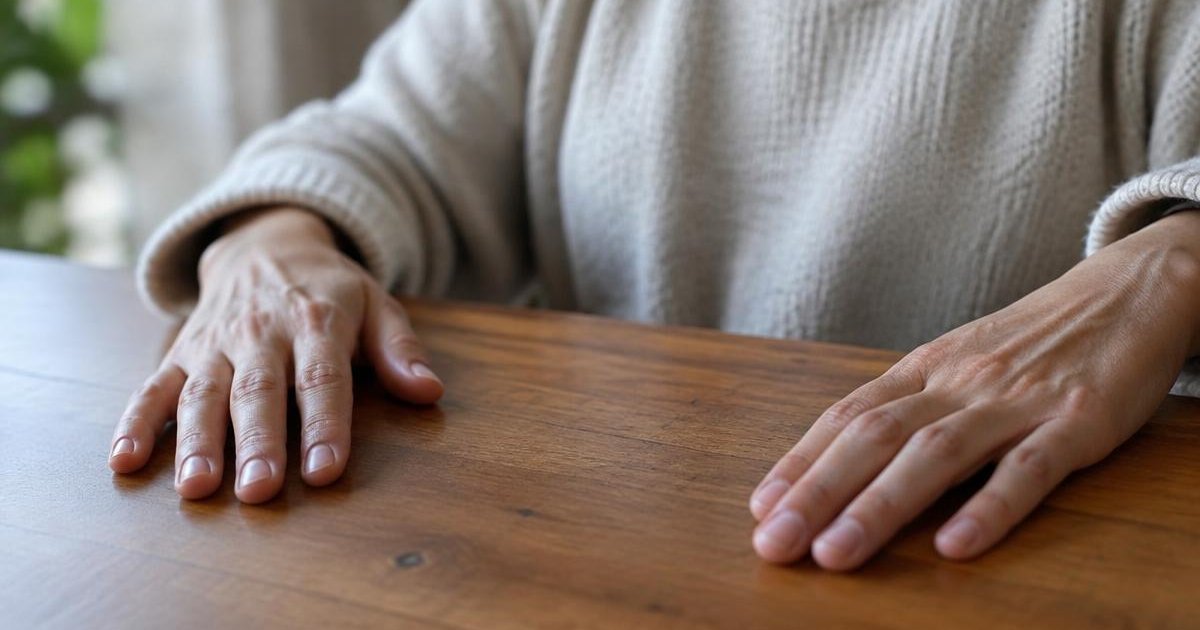
Your heart pounds. Your chest tightens. Your breath feels shallow, your hands tingle and a wave of fear rises out of nowhere. Panic attacks can feel terrifying, as though something is seriously wrong. Many people describe feeling they might faint, lose control or even die.
Panic attacks are intense, but they are not dangerous in themselves, and they do pass. Grounding techniques can help you ride the wave and return to the present moment more quickly. Here are five practical tools you can use anywhere, whether you’re at work, on the LRT or at home.
Quick answer: Grounding techniques help during panic attacks by shifting attention from fear to the present moment and calming the nervous system. Five practical tools are the 5-4-3-2-1 senses exercise, slow breathing with longer exhales, temperature change, feet-on-the-floor body grounding and naming the panic. Practising them when calm makes them easier to use during panic.
Key Takeaways
- Panic attacks are intense surges of fear that typically peak within minutes.
- Grounding techniques redirect attention and help calm the body.
- Practising techniques when calm makes them more effective under stress.
- Panic attacks are treatable, and counselling can reduce their frequency.
- Seek medical care if you’re unsure whether symptoms are panic or a medical emergency.
What Happens During a Panic Attack?
A panic attack is a sudden activation of the body’s fight-or-flight system. Stress hormones increase heart rate, speed up breathing and tense muscles, preparing you to respond to danger, even when no danger is present.
Common symptoms include racing heart, shortness of breath, chest tightness, dizziness, trembling, sweating, nausea, tingling and a sense of unreality. Symptoms usually peak within about ten minutes and gradually subside.
Important: Because some symptoms resemble medical conditions, seek urgent medical help if you have chest pain, difficulty breathing or are unsure what’s happening.
Why Grounding Helps
During panic, the mind often focuses on frightening sensations and catastrophic thoughts, which can intensify fear. Grounding brings your attention back to the present and your physical surroundings, interrupting the cycle. Some techniques also directly calm the nervous system.
5 Practical Grounding Techniques for Panic Attacks
1. The 5-4-3-2-1 Senses Exercise
Look around and name:
- 5 things you can see.
- 4 things you can touch.
- 3 things you can hear.
- 2 things you can smell.
- 1 thing you can taste.
This engages your senses and shifts focus away from fear. You can do it silently, which makes it discreet in public.
2. Slow Breathing With Longer Exhales
Breathe in gently through your nose for four counts and out through your mouth for six counts. Longer exhales activate the body’s calming system. Avoid deep gulping breaths, which can increase dizziness. Continue for a few minutes.
3. Temperature Change
Hold something cold, such as an ice cube or cold drink, splash cold water on your face or step outside into fresh air. In Edmonton’s winter, a few breaths of crisp air can be surprisingly grounding. Temperature changes can quickly shift attention and help regulate the body.
4. Feet-on-the-Floor Body Grounding
Press your feet firmly into the ground. Notice the floor supporting you. Press your palms together or against a table. Describe the sensations to yourself: “My feet are on the floor. My hands feel the cool table.” This reminds your body that you are here and safe.
5. Name the Panic
Say to yourself, “This is a panic attack. It’s uncomfortable, but it will pass. I’ve gotten through this before.” Labelling the experience can reduce fear of the symptoms themselves, which often fuels panic.
Tips for Making Grounding Work
Practise When Calm
Like any skill, grounding works best when practised regularly. Try these techniques daily for a few minutes.
Don’t Fight the Feelings
Trying to force panic away can increase tension. Allow sensations to be present while you ground yourself.
Create a Grounding Kit
Keep items such as a smooth stone, mint, scented lotion or a photo in your bag to engage your senses.
Be Patient
Grounding may not stop panic instantly, but it can make it shorter and less intense.
After a Panic Attack
Panic attacks can leave you tired. Rest, hydrate and be gentle with yourself. Reflect on what may have contributed, such as stress, lack of sleep or caffeine.
When to Seek Help
Occasional panic attacks are common. Consider support if panic attacks happen frequently, you worry constantly about having another one or you avoid places because of fear. Panic is highly treatable.
Anxiety therapy in Edmonton can help you understand panic and reduce its frequency. Cognitive behavioural therapy is one of the most effective approaches for panic, helping you change how you interpret physical sensations. If panic is linked to past trauma, trauma therapy may also be helpful.
If you’re in crisis, call or text 9-8-8. For urgent medical concerns, call 911.
How Disha Counselling Can Help
Disha Counselling & Wellness Centre in South Edmonton helps people manage panic and anxiety with practical, compassionate care. Sessions are available in person or online across Alberta, so you can get support in a setting that feels comfortable. Learn more about our individual counselling.
A Closer Look: An Illustrative Example
Ravi experienced his first panic attack on the LRT on his way to work in downtown Edmonton. His heart pounded, his hands tingled and he felt certain something was terribly wrong. He got off at the next stop and called in sick. After a doctor confirmed his heart was healthy, Ravi began avoiding the train, fearing another attack. In counselling, he learned about panic and practised grounding techniques daily. He kept a small smooth stone in his pocket and practised the 5-4-3-2-1 exercise. With his counsellor, he created a plan to gradually return to the LRT, starting with one stop, then two. During one ride, he felt panic rising. He pressed his feet into the floor, breathed slowly and told himself, “This is panic. It will pass.” It did. Over several weeks, Ravi resumed his commute, feeling more confident in his ability to manage panic.
This is a composite example created for illustration. It does not describe a real client.
Frequently Asked Questions
Can a panic attack hurt me?
Panic attacks feel frightening but are not dangerous in themselves. If you’re unsure whether symptoms are medical, seek urgent care.
How long does a panic attack last?
Most peak within about ten minutes and gradually ease, though lingering anxiety may last longer.
Which grounding technique works best?
It varies. Try several and practise the ones that feel most helpful.
Can therapy stop panic attacks?
Many people experience fewer and milder panic attacks with counselling, particularly CBT.
Book Your Free 15-Minute Consultation
Ready to take the next step? Disha Counselling & Wellness Centre in South Edmonton offers a free 15-minute consultation so you can ask questions, share what you’re looking for and see whether our approach feels like the right fit. Sessions are available in person at our South Edmonton office or through secure online counselling anywhere in Alberta. Book your free consultation or contact our team today.
Our counsellors provide warm, culturally responsive and evidence-informed care for individuals, couples and families, drawing on approaches such as cognitive behavioural therapy (CBT), trauma-informed practice and Gottman-informed couples work where appropriate. Whatever you’re facing, you don’t have to face it alone.
If You Need Help Right Now
If you are in crisis or thinking about harming yourself, call or text 9-8-8 (Suicide Crisis Helpline), call the Alberta Mental Health Help Line at 1-877-303-2642, or call 911. For family violence support in Alberta, call 310-1818.
This article is for general educational purposes only and is not a substitute for professional diagnosis, treatment or advice. Please speak with a qualified health professional about your specific situation.
Ready to talk to someone?
If what you've just read sounds familiar, we are here to help. Explore Our Counselling Services or book a free 15-minute consultation with Disha Counselling & Wellness Centre.
Book a Consultation
It’s easy and free!

Mukesh Mishra, MSW, RCSW
Mukesh Mishra, MSW, RCSW, is a Registered Clinical Social Worker in Alberta at Disha Counselling & Wellness Centre in Edmonton. He provides trauma-informed, culturally responsive counselling in English, Hindi, Nepali, Punjabi and Urdu, using CBT, EMDR, DBT and the Gottman Method, and is an ACSW-approved RCSW supervisor for social workers.