Learn the principles of trauma-informed counselling, how it differs from standard therapy, and what to expect from trauma support in Edmonton, AB.

If you have experienced trauma, the idea of starting therapy can feel daunting. You might worry about being pushed to talk about painful memories before you’re ready, being judged, or feeling out of control. These concerns are understandable, and they are exactly what trauma-informed counselling is designed to address.
Trauma-informed counselling is not a single technique. It is an approach to care that recognizes how common trauma is, understands its effects and prioritizes safety, choice and collaboration in every interaction.
Quick answer: Trauma-informed counselling is an approach that recognizes the widespread impact of trauma and shapes therapy around safety, trust, choice, collaboration, empowerment and cultural sensitivity. Unlike approaches that focus only on symptoms, it asks “What happened to you?” rather than “What’s wrong with you?” Clients set the pace, and the counsellor works to avoid re-traumatization.
Key Takeaways
- Trauma-informed counselling is a framework that guides how therapy is delivered.
- Core principles include safety, trust, choice, collaboration, empowerment and cultural humility.
- It focuses on understanding experiences rather than labelling people.
- Clients control the pace and depth of what they share.
- It can be combined with specific therapies such as CBT or EMDR.
What Is Trauma?
Trauma refers to the emotional response to experiences that overwhelm a person’s ability to cope. This may include single events, such as accidents or assaults, or ongoing experiences, such as childhood neglect, domestic violence, war, displacement or systemic discrimination. Trauma affects people differently; two people can experience the same event and respond in very different ways.
Core Principles of Trauma-Informed Counselling
Widely used trauma-informed frameworks highlight several principles:
Safety
Physical and emotional safety come first. The counselling environment should feel calm, predictable and respectful.
Trustworthiness and Transparency
Counsellors explain what to expect, how sessions work and how information is used, so there are no surprises.
Choice
Clients decide what to talk about, when and how much. You can pause, change topics or decline to answer.
Collaboration
Therapy is a partnership. Your counsellor works with you, not on you.
Empowerment
The focus is on your strengths, resilience and capacity to heal.
Cultural, Historical and Gender Sensitivity
Trauma-informed counsellors recognize how culture, identity, history and systemic factors shape experiences of trauma and healing.
How Trauma-Informed Counselling Differs From Standard Therapy
Many therapists today incorporate trauma-informed principles, so the line isn’t always sharp. However, some key differences in emphasis include:
“What Happened to You?” vs. “What’s Wrong With You?”
Trauma-informed care views symptoms as understandable responses to difficult experiences rather than personal failings.
Pacing
Rather than moving quickly into detailed discussion of traumatic memories, trauma-informed counselling often begins by building safety, stability and coping skills.
Attention to the Body
Trauma often affects the nervous system. Trauma-informed counsellors may teach grounding and regulation techniques to help you feel steady.
Avoiding Re-Traumatization
Counsellors pay close attention to signs of distress and adjust their approach to avoid overwhelming you.
Power and Control
Because trauma often involves loss of control, trauma-informed counselling deliberately shares power and choice with the client.
What to Expect in Trauma-Informed Counselling
Early Sessions
Your counsellor will likely focus on getting to know you, understanding your goals and explaining confidentiality. You don’t need to share your trauma story right away.
Building Stability
You may learn skills for managing strong emotions, such as grounding, breathing and self-soothing.
Processing, When Ready
When you feel ready, therapy may involve gently exploring traumatic experiences using approaches such as EMDR therapy, trauma-focused CBT or other evidence-informed methods.
Integration and Growth
Later stages often focus on rebuilding relationships, self-worth and meaning.
Who Can Benefit?
Trauma-informed counselling can benefit anyone who has experienced trauma, as well as people who aren’t sure whether their experiences “count.” It can be especially helpful for newcomers and refugees, survivors of violence, people affected by intergenerational trauma, and anyone who has had difficult experiences with helping systems in the past.
Questions to Ask a Potential Counsellor
- How do you incorporate trauma-informed principles into your work?
- How will we decide the pace of therapy?
- What can I do if I feel overwhelmed during a session?
- How do you consider culture and identity in your work?
How Disha Counselling Provides Trauma-Informed Care
At Disha Counselling & Wellness Centre in South Edmonton, our counsellors use trauma-informed principles across our services. We offer trauma therapy in Edmonton, EMDR and culturally responsive individual counselling, in person or online across Alberta. You can read about our counsellors to find someone who feels like a good fit.
If you are in crisis, call or text 9-8-8.
A Closer Look: An Illustrative Example
Samuel, a refugee who settled in Edmonton after years of displacement, was referred to counselling by his doctor for sleep problems. He felt nervous; in the past, officials had asked him to repeat painful details again and again. In his first session, the counsellor explained confidentiality, asked what would help him feel comfortable and told him he did not need to share his story until he was ready. They sat near the door at Samuel’s request. Early sessions focused on sleep, grounding and building trust. Samuel learned breathing techniques and created a calming bedtime routine. Several months later, when he felt ready, he chose to talk about some of his experiences. His counsellor checked in often and paused when he felt overwhelmed. Samuel later said that feeling in control made the difference. For the first time, talking about the past felt possible rather than frightening.
This is a composite example created for illustration. It does not describe a real client.
Frequently Asked Questions
Do I have to talk about my trauma in detail?
No. In trauma-informed counselling, you decide what to share and when. Many people build safety and coping skills before discussing details.
Is trauma-informed counselling only for severe trauma?
No. It can help with a wide range of difficult experiences, big or small.
Can trauma-informed counselling be done online?
Yes. Many people find online sessions from home feel safer and more comfortable.
How long does trauma-informed therapy take?
It varies depending on your goals and experiences. Your counsellor will review progress with you regularly.
Book Your Free 15-Minute Consultation
Ready to take the next step? Disha Counselling & Wellness Centre in South Edmonton offers a free 15-minute consultation so you can ask questions, share what you’re looking for and see whether our approach feels like the right fit. Sessions are available in person at our South Edmonton office or through secure online counselling anywhere in Alberta. Book your free consultation or contact our team today.
Our counsellors provide warm, culturally responsive and evidence-informed care for individuals, couples and families, drawing on approaches such as cognitive behavioural therapy (CBT), trauma-informed practice and Gottman-informed couples work where appropriate. Whatever you’re facing, you don’t have to face it alone.
If You Need Help Right Now
If you are in crisis or thinking about harming yourself, call or text 9-8-8 (Suicide Crisis Helpline), call the Alberta Mental Health Help Line at 1-877-303-2642, or call 911. For family violence support in Alberta, call 310-1818.
This article is for general educational purposes only and is not a substitute for professional diagnosis, treatment or advice. Please speak with a qualified health professional about your specific situation.
Ready to talk to someone?
If what you've just read sounds familiar, we are here to help. Explore Trauma Therapy in Edmonton or book a free 15-minute consultation with Disha Counselling & Wellness Centre.
Book a Consultation
It’s easy and free!
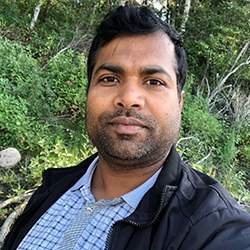
Mukesh Mishra, MSW, RCSW
Mukesh Mishra, MSW, RCSW, is a Registered Clinical Social Worker in Alberta at Disha Counselling & Wellness Centre in Edmonton. He provides trauma-informed, culturally responsive counselling in English, Hindi, Nepali, Punjabi and Urdu, using CBT, EMDR, DBT and the Gottman Method, and is an ACSW-approved RCSW supervisor for social workers.